
Smart Home Technology Is Shaping Wellness-Centered Interiors – ArchiExpo e-Magazine showcases how modern homes have evolved from passive shelters into proactive wellness hubs through technological integration. These smart environments now actively contribute to physical and mental wellbeing by monitoring air quality, regulating lighting based on circadian rhythms, and maintaining optimal comfort conditions.
Key Implications:
- Smart wellness technologies create measurable health benefits through improved sleep quality, reduced stress levels, and enhanced air quality in living spaces.
- Biophilic design principles combined with smart technology create environments that feel both technologically advanced and naturally calming for occupants.
- Wellness-focused homes with integrated smart technology command higher resale values and attract health-conscious buyers in the growing wellness market.
- The financial investment in wellness technology yields returns through reduced energy costs, lower healthcare expenses, and improved productivity.
- Successful wellness interiors balance technological advancement with human-centered design, creating environments that function as proactive health partners rather than passive living spaces.
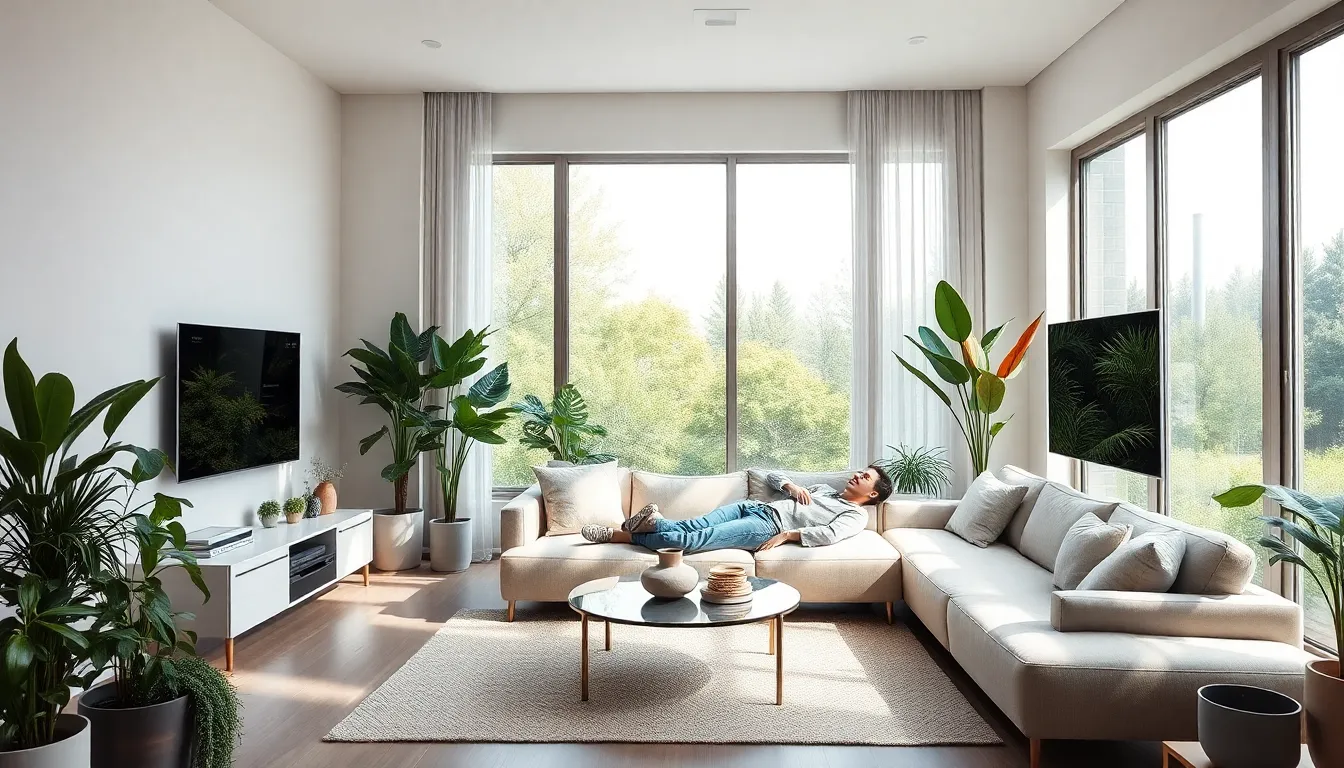
The Evolution of Smart Home Technology in Wellness-Centered Interior Design
Smart home technology has transformed from mere convenience to becoming an essential component of wellness-focused interior design. Modern homes now integrate sophisticated systems that monitor air quality, regulate lighting based on circadian rhythms, and adjust temperature for optimal comfort. These technological advancements create living spaces that actively contribute to our physical and mental wellbeing rather than serving as passive shelters.
Key Wellness Technologies Transforming Our Living Spaces
The integration of biophilic design principles with smart technology represents one of the most significant developments in this field. Advanced systems now simulate natural environments by adjusting lighting to match daylight patterns, improving sleep quality and energy levels. Innovative air purification systems eliminate pollutants while maintaining ideal humidity levels, creating healthier indoor environments.
Wellness Devices Worth Considering
Several wellness devices have gained popularity for their effectiveness:
- Smart sleep systems that adjust room temperature and lighting based on sleep cycles
- Air quality monitors that detect allergens and automatically activate purification
- Touchless fixtures that reduce germ transmission
- Smart water systems that monitor consumption and filter contaminants
The financial investment in wellness technology yields impressive returns through reduced healthcare costs and improved productivity. According to industry research, properties with wellness-centered technological features command higher resale values and attract health-conscious buyers. This growing market reflects our increasing awareness of how our living environments directly impact our holistic wellbeing ~nida.
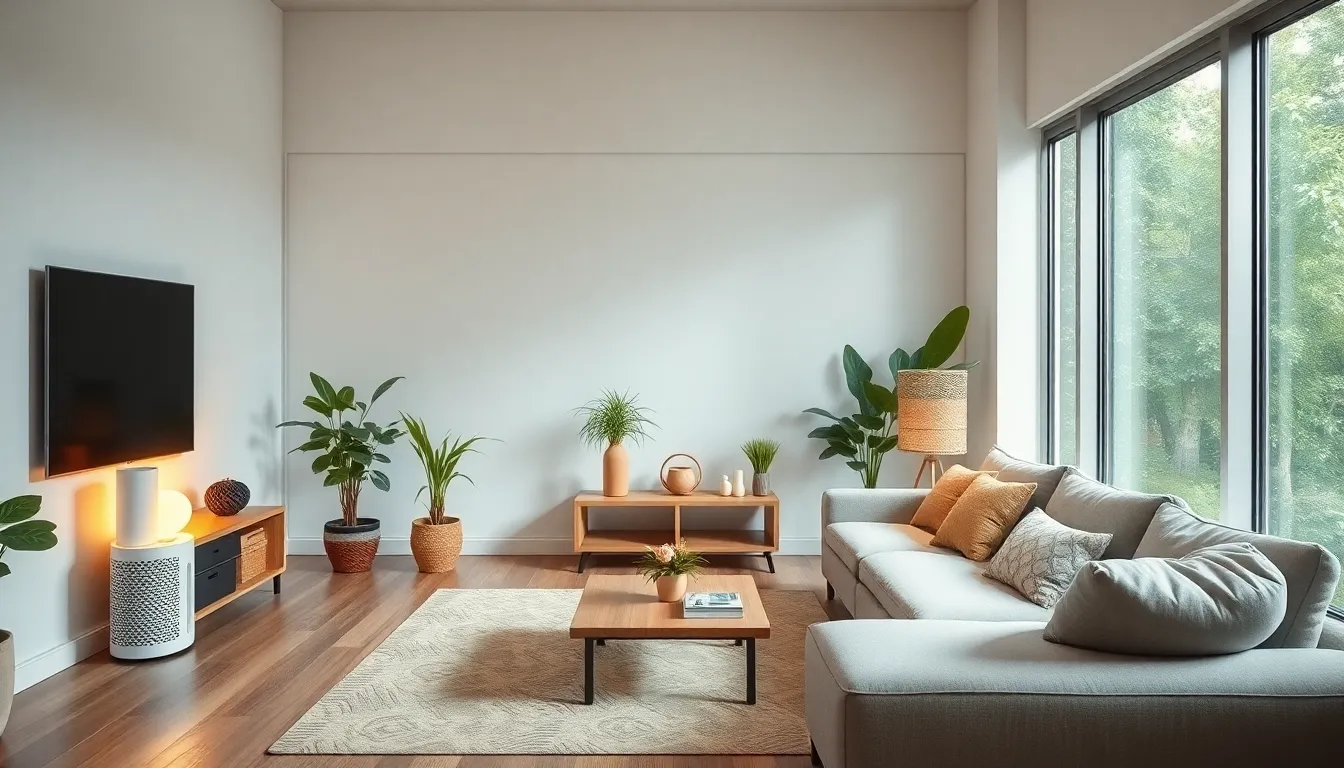
The Evolution of Smart Home Technology for Wellness Living
Smart home technology has fundamentally transformed how we experience our living spaces, with wellness-centered interiors becoming increasingly popular among homeowners. The integration of automated systems now extends beyond mere convenience to actively support physical and mental health. Modern smart homes incorporate air quality monitors, circadian lighting systems, and temperature regulators that create environments optimized for human wellbeing.
Key Wellness Technologies Reshaping Our Homes
The wellness revolution has entered our homes through various technological innovations:
- Smart air purifiers that automatically detect and eliminate pollutants
- Circadian lighting systems that adjust based on time of day to support natural sleep cycles
- Voice-activated assistants that reduce physical strain and simplify daily tasks
- Temperature and humidity controls that maintain optimal comfort levels
- Meditation and relaxation spaces enhanced by ambient sound and lighting technology
Many homeowners report significant improvements in sleep quality and overall stress levels after implementing these wellness devices in their homes. The beauty of these technologies lies in their seamless integration into existing interiors, often becoming invisible components of a holistic wellness approach.
Finding Balance Between Technology and Natural Elements
Despite the technological focus, successful wellness-centered interiors balance digital innovation with natural elements. Interior designers increasingly pair smart technology with biophilic design principles, incorporating natural materials, plants, and water features. This hybrid approach creates spaces that feel both technologically advanced and naturally calming, addressing the full spectrum of wellness needs. The most effective wellness interiors don’t showcase technology—they integrate it thoughtfully to enhance the human experience within the space.
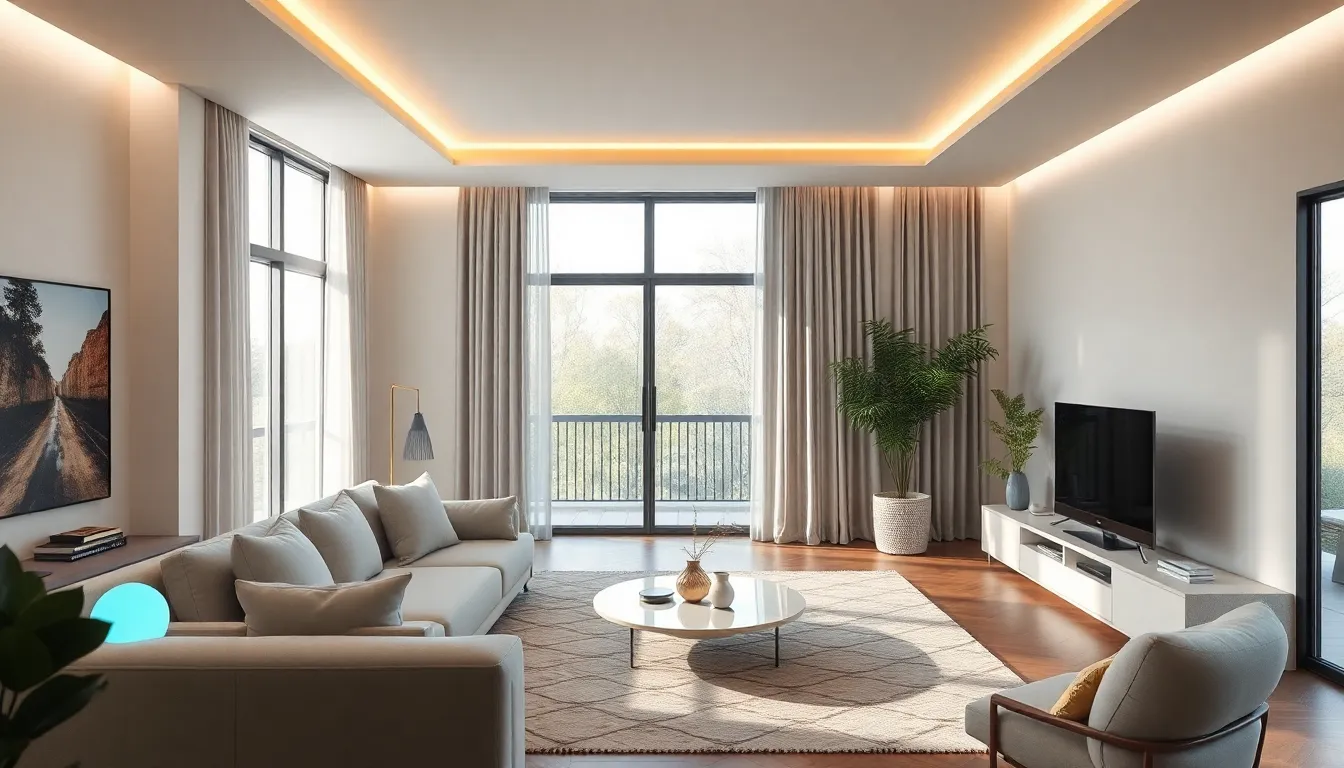
Smart Living: How Technology Enhances Wellness in Modern Interiors
The integration of smart home technology has fundamentally transformed interior design, creating spaces that actively contribute to our physical and mental wellbeing. Modern homes now function as wellness centers through thoughtful technological integration. Smart lighting systems adjust color temperature throughout the day, synchronizing with our circadian rhythms to improve sleep quality and daytime alertness. Temperature and humidity controls maintain optimal environmental conditions, reducing allergens and creating consistently comfortable living spaces.
Key Technologies Reshaping Wellness Interiors
Voice-activated assistants have evolved beyond simple convenience tools to become wellness management hubs that track health metrics, remind users of medication schedules, and even guide meditation sessions. Air purification systems with real-time monitoring capabilities remove pollutants while providing data about indoor air quality. These technologies work seamlessly in the background, requiring minimal user intervention while maximizing health benefits.
Design Integration Strategies
- Concealed tech solutions that maintain aesthetic harmony
- Multi-functional furniture with embedded charging and monitoring capabilities
- Designated wellness zones enhanced by specialized technology
- Biophilic elements paired with smart monitoring systems
- Personalized wellness settings for different household members
The most successful wellness-centered interiors balance technological advancement with human-centered design principles. When properly implemented, these smart wellness devices create environments that not only look beautiful but actively support healthier lifestyles. The future home will increasingly function as a proactive health partner rather than just a passive living space~nida.
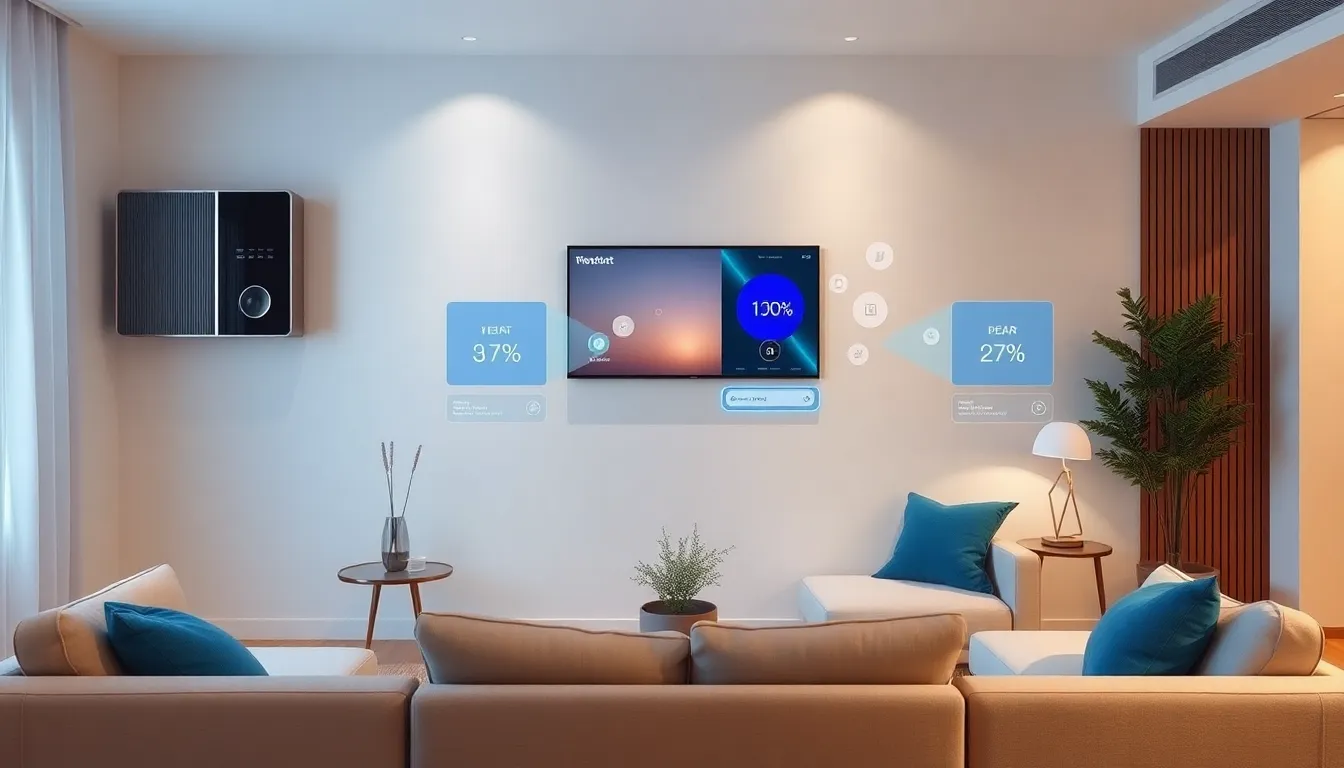
Integrating Smart Home Technology for Wellness-Centered Living
Smart home technology has revolutionized our approach to wellness, creating environments that actively support health rather than simply housing us. Innovative solutions now seamlessly blend into our living spaces, transforming them into proactive wellness hubs. These technologies monitor air quality, adjust lighting to match our circadian rhythms, and optimize humidity levels for better respiratory health.
Key Wellness Devices Worth Considering
The market offers numerous smart devices that enhance well-being within your personal space. Connected air purifiers and smart thermostats work together to maintain optimal indoor environmental conditions. Many homeowners are surprised to learn that certain wellness devices might be HSA-eligible, making these investments more accessible. Smart sleep systems track rest patterns while adjusting room temperature and lighting for improved sleep quality.
Wellness Technology Investment Benefits
- Reduced energy costs through automated efficiency
- Improved sleep quality with circadian-friendly lighting
- Enhanced air quality monitoring and filtration
- Stress reduction via integrated relaxation systems
- Simplified health tracking through connected devices
The return on wellness technology investments extends beyond comfort into measurable health and financial benefits. Companies and individuals alike are recognizing that creating wellness-centered environments yields significant dividends in productivity, health outcomes, and overall satisfaction ~nida.
Source
ArchiExpo e-Magazine, “Smart Home Technology Is Shaping Wellness-Centered Interiors”