
Life Hack: Is it ever safe to drive through a flood? Here’s what you need to know because unseen flood depths conceal significant hazards, instantly compromising vehicle integrity and occupant safety. Understanding these deceptive risks, adhering to official warnings, and preparing for adverse conditions are critical to navigating challenging road environments safely.
Key Implications:
- Vehicle Damage and Electrical Risks: Driving through floodwaters, regardless of perceived depth, masks hidden road hazards and risks immediate electrical system failures, making adherence to official road closures paramount.
- Tyre Tread and Braking Performance: A minimum 3mm tire tread depth is critical for wet road control and mitigating aquaplaning, while post-flood brake procedures are essential to restore braking efficacy.
- Adverse Weather Safety for All Road Users: Increased following distances are necessary for vulnerable road users in adverse conditions, alongside vigilance for environmental hazards and reduced visibility from water spray.
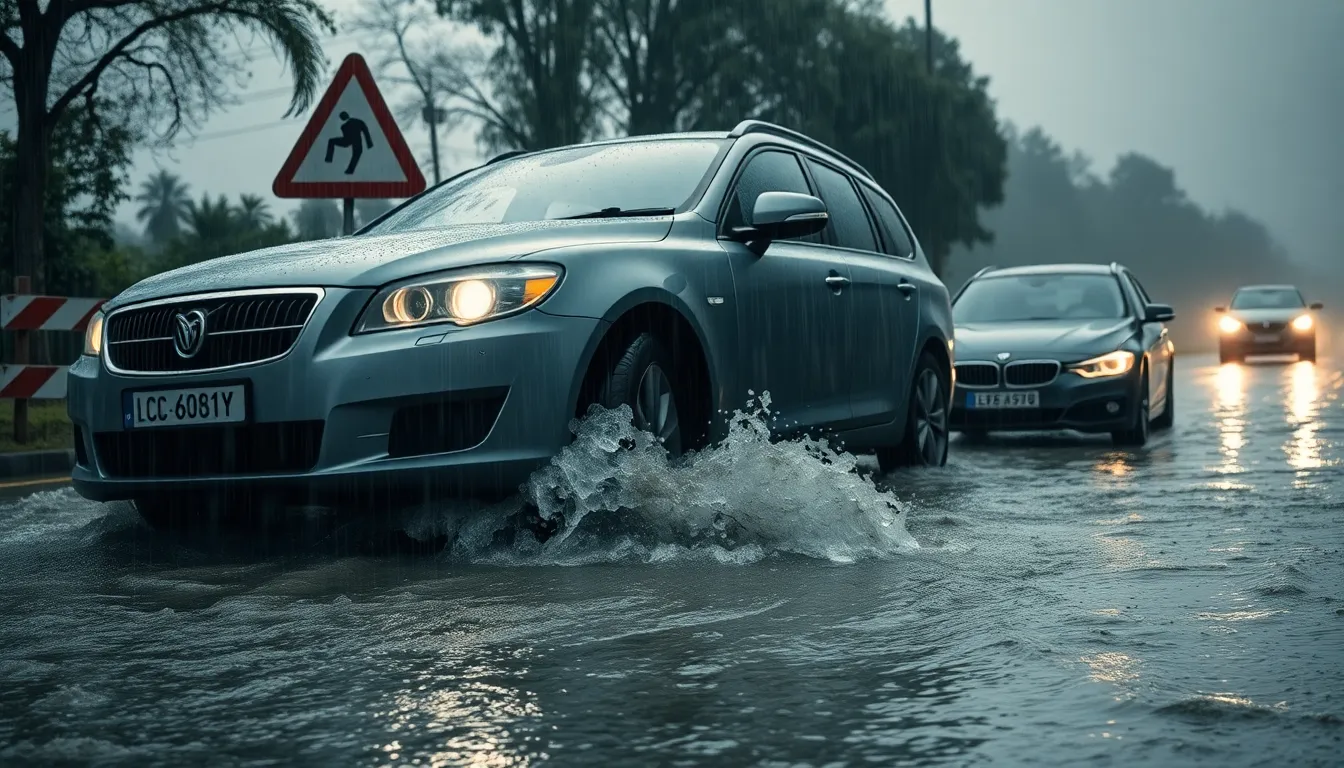
Unseen Flood Depths Trigger Vehicle Malfunctions and Road Damage
Driving through floodwaters, regardless of perceived depth, masks critical hazards that can cause severe vehicle damage and immediate system failures. Visual estimation of floodwater depth proves unreliable, making vehicles highly vulnerable to hidden road dangers. Therefore, understanding the unseen risks is paramount for driver safety and vehicle integrity.
The Deceptive Nature of Floodwaters
Floodwaters actively conceal significant road damage, including potholes and unexpected dips in the road surface. Encountering these hidden hazards at speed can lead to extensive damage to a vehicle’s suspension, tires, and undercarriage components. The integrity of the vehicle is severely compromised by these unseen impacts.
Furthermore, water contact with vehicle electrics presents a substantial risk of unexpected system failures. Such failures can range from minor malfunctions to critical issues like sudden airbag deployment. This direct interaction highlights the inherent dangers of driving through flooded areas for vehicle occupants.
Adhering to Official Road Closures
Official road closures are not arbitrary; they are established due to specific, identified risks such as flood blockage or compromised road structural integrity after heavy rainfall. Adherence to these closures is mandatory, irrespective of how safe the conditions may appear. Disregarding these warnings can expose drivers to unforeseen and severe dangers.
The decision to close roads accounts for a range of unpredictable factors that are not evident to the casual observer. These may include rapidly changing water levels or weakened infrastructure. Prioritizing safety by respecting road closures prevents potential harm and avoids vehicles becoming stranded in hazardous conditions, emphasizing the critical importance of avoiding driving through a flood.
Managing Vehicle Breakdown in Heavy Rain
In the unfortunate event of a vehicle breakdown during heavy rain or while navigating flooded areas, specific actions can mitigate further damage. A critical step is to avoid opening the bonnet immediately after the breakdown. This preventative measure is essential to protect the rain-soaked electrical systems.
Exposing wet electrics to further rain can exacerbate damage, potentially making repair more complex and costly. Keeping the bonnet closed aids in preserving the engine’s current state, offering a better chance for potential engine restart or easier recovery without further complication. This advice ensures proper care for your vehicle during adverse weather, preventing a minor issue from becoming a significant problem, and is a vital life hack for vehicle longevity.

Tyre Tread of 3mm Essential for Wet Road Control at 100 km/h
Maintaining optimal tire condition significantly enhances vehicle control and safety, particularly when navigating wet roads at elevated speeds. Regular vehicle maintenance, specifically ensuring adequate tire tread depth, is a quantifiable measure directly improving traction and shortening stopping distances in adverse weather conditions. Understanding these critical parameters is fundamental for any driver contemplating how to manage challenging road environments, including determining whether it is ever safe to drive through a flood.
The Critical Role of Tyre Tread Depth
For safe operation and effective grip on wet surfaces, tires necessitate a minimum tread depth of 3mm. This specified depth facilitates the efficient displacement of water from beneath the tire’s contact patch, thereby precluding the dangerous phenomenon of aquaplaning and the subsequent loss of crucial traction. Inadequate tread depth critically compromises a vehicle’s capacity to maintain stability in wet environments, consequently elevating the potential for vehicular incidents.
Adherence to this 3mm standard represents a fundamental aspect of proactive automotive safety and should be part of every vehicle’s routine inspection schedule. Vehicle operators are advised to routinely inspect their tire tread to confirm compliance, as this directly influences the vehicle’s hydroplaning resistance and overall performance during challenging road conditions. Optimal tread depth underpins stable vehicle handling and ensures responsive braking capabilities, both paramount for occupant safety.
Mitigating Aquaplaning Risks at High Speeds
The phenomenon of aquaplaning presents a significant hazard, with its risk profile increasing substantially on roadways posted with speed limits of 100 km/h and 120 km/h. Aquaplaning transpires when a hydrodynamic layer of water forms between the vehicle’s tires and the road surface, resulting in a complete cessation of grip and steering authority. A precise and highly cautious driving methodology is thus indispensable for preserving vehicle stability under these specific conditions, mitigating severe consequences.
Drivers must adapt both their velocity and driving technique when encountering wet roadways, particularly at elevated speed limits where the risk is amplified. Reducing speed affords tires an extended duration to effectively disperse accumulated water, thereby re-establishing direct contact with the road. This proactive measure is instrumental in averting uncontrolled skids and sustaining directional control, emphasizing that a judicious approach to speed is a primary determinant of safety in wet conditions.
Post-Flood Brake Restoration Procedures
Traversing floodwaters mandates an immediate and structured post-exposure protocol to guarantee the sustained efficacy of the braking system. Upon exiting an inundated area, operators are required to execute a specific procedure: driving at a reduced speed (e.g., 5-10 km/h) while gently engaging the brake pedal for a brief interval. This action induces friction and generates thermal energy, which systematically expels moisture from the brake components, thus restoring operational efficiency. This critical step is vital for discerning if it is ever safe to drive through a flood with residual effects.
This critical brake drying procedure is paramount to forestalling any degradation in braking performance, directly impacting overall vehicle safety. Moisture-laden brakes can exhibit considerably diminished operational effectiveness, characterized by a spongy pedal feel and reduced stopping power, thereby compromising the vehicle’s capacity to execute controlled stops. The prompt implementation of this straightforward technique is crucial for restoring optimal brake functionality and mitigating a significant safety hazard, ensuring predictable vehicle response.
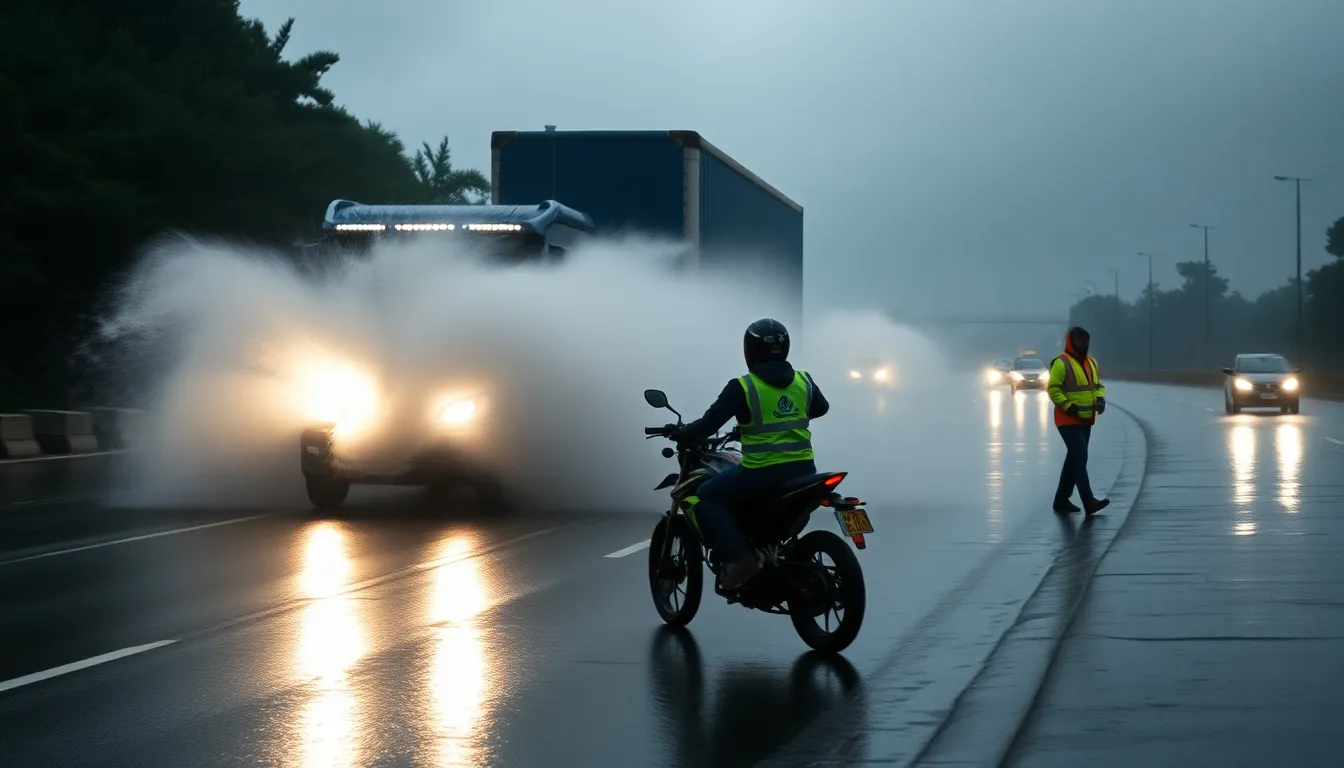
Adverse Weather Demands Increased Distances for Vulnerable Road Users
Comprehensive safety during wet and windy conditions mandates proactive visibility measures for all road users. A heightened awareness of specific vehicle and environmental vulnerabilities is also crucial for preventing incidents.
Enhancing Road Safety in Adverse Conditions
Effective safety protocols in adverse weather conditions extend beyond personal vehicle management. These protocols include keen situational awareness and protective measures for other road users, fostering a collective approach to well-being.
Adverse weather significantly increases accident risks, particularly when drivers underestimate hazardous conditions. Proactive adjustments, rather than mere avoidance of complete stops, are consistently necessary for safe navigation.
Mitigating Risks for Vulnerable Road Users
High-sided vehicles and motorcyclists exhibit specific vulnerability to losing control in strong winds. Other drivers are therefore required to allow increased following distances to mitigate this heightened risk.
Goods vehicles generate significant water spray, which considerably reduces visibility for following vehicles. This reduction poses a substantial hazard, obscuring immediate road conditions or other traffic from view.
Pedestrians enhance their personal safety by wearing a high-visibility jacket or reflective armband. This measure ensures detection by drivers, particularly in low-light or adverse weather scenarios. Pedestrians walking without designated footpaths should position themselves on the right-hand side of the road, facing oncoming traffic, to maximize their safety.
Identifying and Responding to Environmental Hazards
Drivers must maintain vigilance for specific environmental hazards during severe weather. These conditions can present unexpected dangers that necessitate immediate attention and cautious navigation, particularly when considering if Life Hack: Is it ever safe to drive through a flood? Here’s what you need to know.
Vigilance is necessary for several key environmental risks, including:
- Falling debris that may obstruct roadways.
- Washed-out roads or earth slides, which compromise structural integrity.
- Broken water or sewer mains causing unexpected flooding.
- Loose or downed electrical wires presenting electrocution hazards.
- Fallen or falling objects that could impact vehicles or pedestrians.
Understanding these vulnerabilities and hazards is fundamental to navigating adverse conditions safely, especially when conditions present risks such as driving through a flood. Prioritizing caution and preparedness ensures the well-being of all road users, helping prevent incidents stemming from challenging weather.
Featured image generated using Flux AI