
A viral TikTok ‘hack’ proposing greaseproof paper for zest collection has ignited widespread discussion, with the Kitchen ‘hack’ has people debating if it’s actually easier or more complicated. While it aims to solve the common frustration of trapped zest, critics raise concerns about added workload and potential food contamination, leading many to seek alternative methods.
Key Implications:
- Practical Application: The effectiveness of kitchen ‘hacks’ often depends on individual culinary routines and can introduce unforeseen complications, such as increased workload or perceived lack of genuine simplification, challenging their initial promise of ease.
- Food Safety Concerns: Introducing non-food materials, like greaseproof paper, into food preparation risks contamination, which can outweigh convenience benefits and lead to user preference for traditional cleaning methods over consuming foreign particles.
- Evolving Kitchen Solutions: Despite specialized tools and innovative hacks, persistent challenges in food preparation and equipment cleaning highlight the continuous pursuit of genuinely effective, frustration-free kitchen practices, acknowledging that no single method is universally superior.
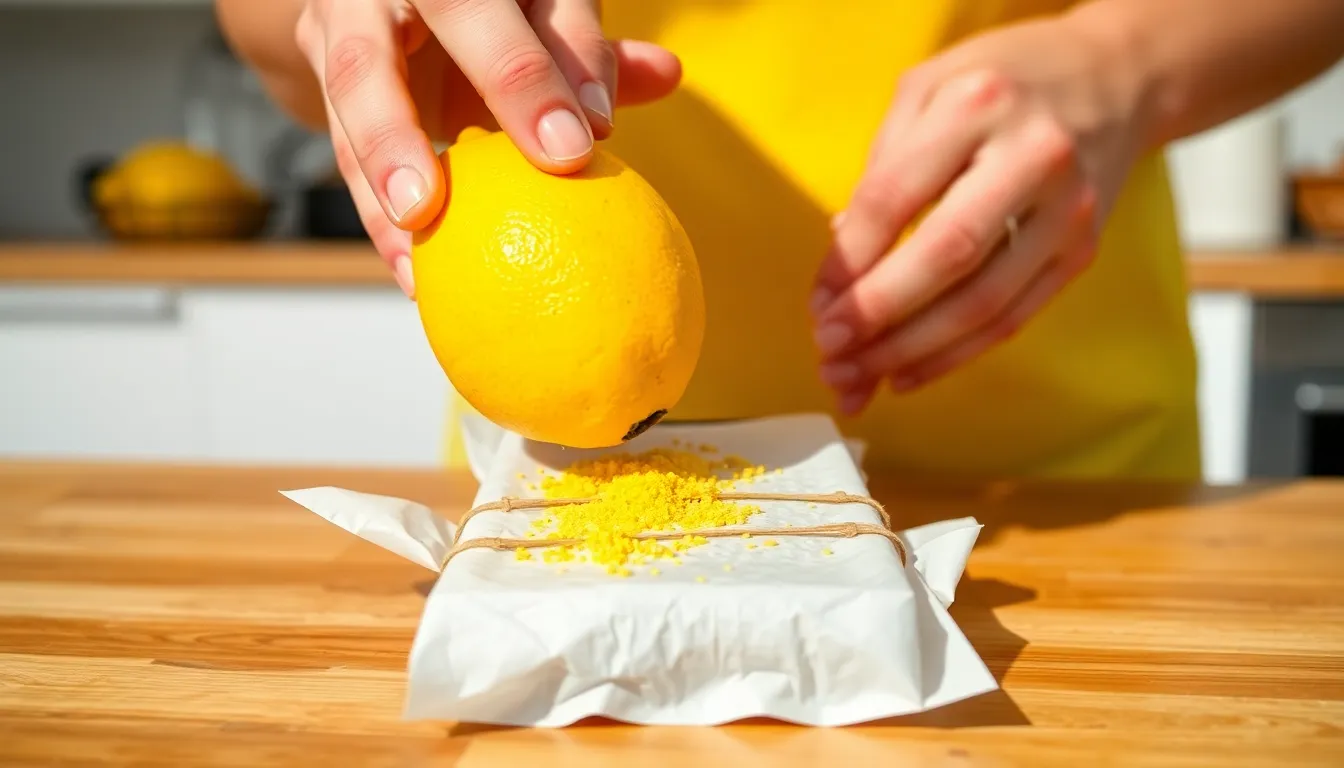
TikTok ‘Hack’ Attracts 92,000 Likes Addressing Zest Retention
You know the drill: you’re trying to zest a lemon for a recipe, and inevitably, tiny bits of fragrant zest cling stubbornly inside the grater’s holes. It’s a minor frustration, yet it can slow down your prep and leave you feeling like you’ve wasted precious ingredients. This common kitchen woe has sparked a viral sensation on TikTok, where one particular ‘life hack’ has captured significant attention, evidenced by over 92,000 likes.
The viral video proposes a simple solution using greaseproof paper, directly targeting the persistent problem of zest getting trapped. This approach has people debating if this ‘hack’ is actually easier or more complicated than traditional zesting methods. It certainly aims to simplify what can be a fiddly task for home cooks and bakers alike.
The Everyday Frustration of Trapped Zest
Think about the last time you needed lemon zest for a vibrant lemon meringue pie, a tangy salad dressing, or a refreshing cocktail. You grab your grater, start working, and almost immediately, you see that beautiful yellow zest disappearing into the grater’s tiny crevices. Extracting every last bit often means tapping, scraping with a spoon, or even awkwardly trying to push it through with your fingers.
This struggle is a surprisingly frustrating aspect of preparing ingredients. It breaks your cooking flow and can make you feel like you’re losing a valuable part of your ingredient, especially when every bit of flavor counts. Therefore, when a solution emerges that promises to solve this perennial problem, it understandably garners widespread interest from the culinary community.
Unpacking the Greaseproof Paper Method
The TikTok ‘hack’ demonstrates a straightforward technique: you take a sheet of greaseproof paper and wrap it snugly around your cheese grater. Securing the paper with a couple of rubber bands ensures it stays in place during the zesting process. This creates a barrier between the lemon and the grater’s actual surface.
When you grate the lemon against the greaseproof paper, the zest collects directly on the paper’s surface. This clever maneuver prevents it from falling into the grater holes altogether. You can then simply unwrap the paper and scrape the collected zest off with a knife, ensuring you capture every last morsel. This method offers a clean, efficient way to collect your zest, eliminating the tedious extraction process.
Does This Kitchen ‘Hack’ Simplify Your Culinary Life?
This innovative approach directly addresses a frustrating aspect of preparing ingredients for cooking, baking, or cocktails. By keeping the zest on the paper, it streamlines the collection process, making it much easier to measure and use. For those who frequently incorporate fresh citrus zest into their dishes, this could be a genuine time-saver and a stress reducer.
The core question remains: is this ‘kitchen hack’ actually easier or more complicated? While it adds an extra step of wrapping the grater, the payoff of easily accessible zest might outweigh the initial setup for many. It offers a practical solution to a common problem, potentially making your culinary adventures a little smoother. Discover more ways to make kitchen tasks easier, like cleaning burnt pots or reducing food waste with clever tips.
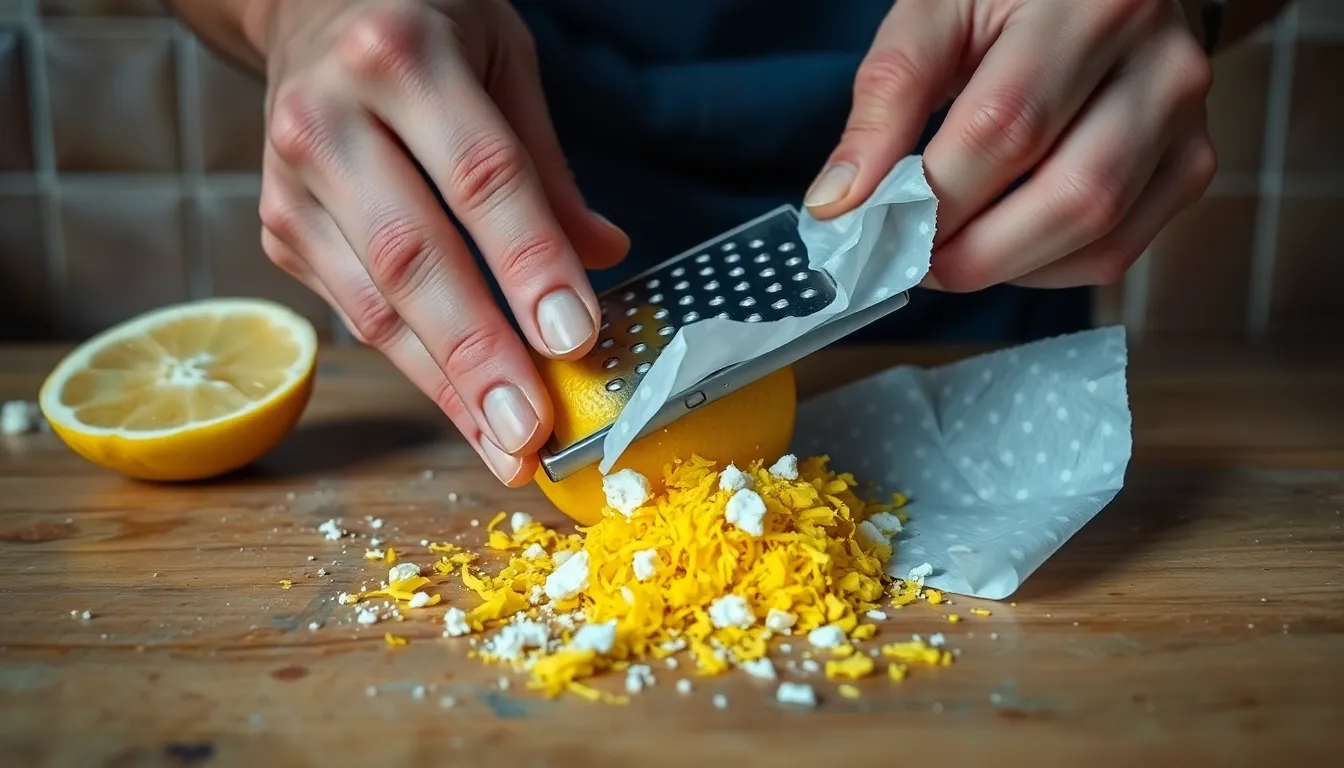
User Division Over Paper Contamination and Increased Workload
The “greaseproof paper hack” initially gained traction as a simple solution for kitchen tasks. However, this kitchen ‘hack’ has people debating if it’s actually easier or more complicated in practice.
Its initial appeal quickly gave way to significant user division. Critics widely questioned the hack’s actual benefit, citing concerns over increased workload and potential food contamination.
The Unexpected Increase in Workload
Many users reported that the hack introduced an unexpected and unwelcome increase in workload. The process involved multiple steps, including wrapping, securing, removing, and scraping.
These added requirements often outweighed the benefit of avoiding stuck zest. Consequently, the method seemed to complicate rather than simplify preparation.
One user critically evaluated the method, stating it looked like “more work, more resources used.” This statement captured a prevailing user sentiment.
It underscored a perception that the technique added unnecessary complexity. Another user questioned the underlying motivation, asking, “People so against cleaning these days?”
This comparative data highlighted a perceived trade-off, weighing the hack’s elaborate nature against traditional cleaning. For kitchen maintenance efficiency, exploring guides like cleaning burnt stainless steel pots offers proven methods.
Concerns Over Food Contamination
A critical concern focused on the risk of non-food materials entering prepared food. Specifically, paper bits from the greaseproof paper posed a significant contamination threat to the zest.
This issue raised serious questions about food safety and product integrity. Reports from users directly confirmed the presence of these unwanted particles.
One user explicitly stated, “There is” paper contamination when asked about “little parchment pieces” in zest. This direct evidence affirmed the undesirable consequence.
The potential for paper bits transformed a supposed convenience into a tangible hazard. This outcome prompted many to reassess the hack’s practical application.
Questioning the Hack’s Practical Value
The debate often centered on a clear choice between cleaning effort and consuming contaminated food. Many users decisively preferred traditional cleaning over ingesting paper particles.
This sentiment was encapsulated by a user comment: “I would rather do the dishes than eat paper.” It indicated a strong perceived trade-off.
Therefore, the hack’s promise of ease failed to resonate with a significant portion of the user base. Users viewed the method as introducing complications that far outweighed any benefits.
This perspective solidified the notion that the kitchen ‘hack’ has people debating if it’s actually easier or more complicated. Careful consideration in French cuisine preparations, for example, often prioritizes ingredient integrity.
Critics argued the innovation presented more problems than genuine solutions. It often evolved into an added chore rather than a helpful shortcut. Strategies like those to reduce food waste offer true, tangible kitchen efficiencies.
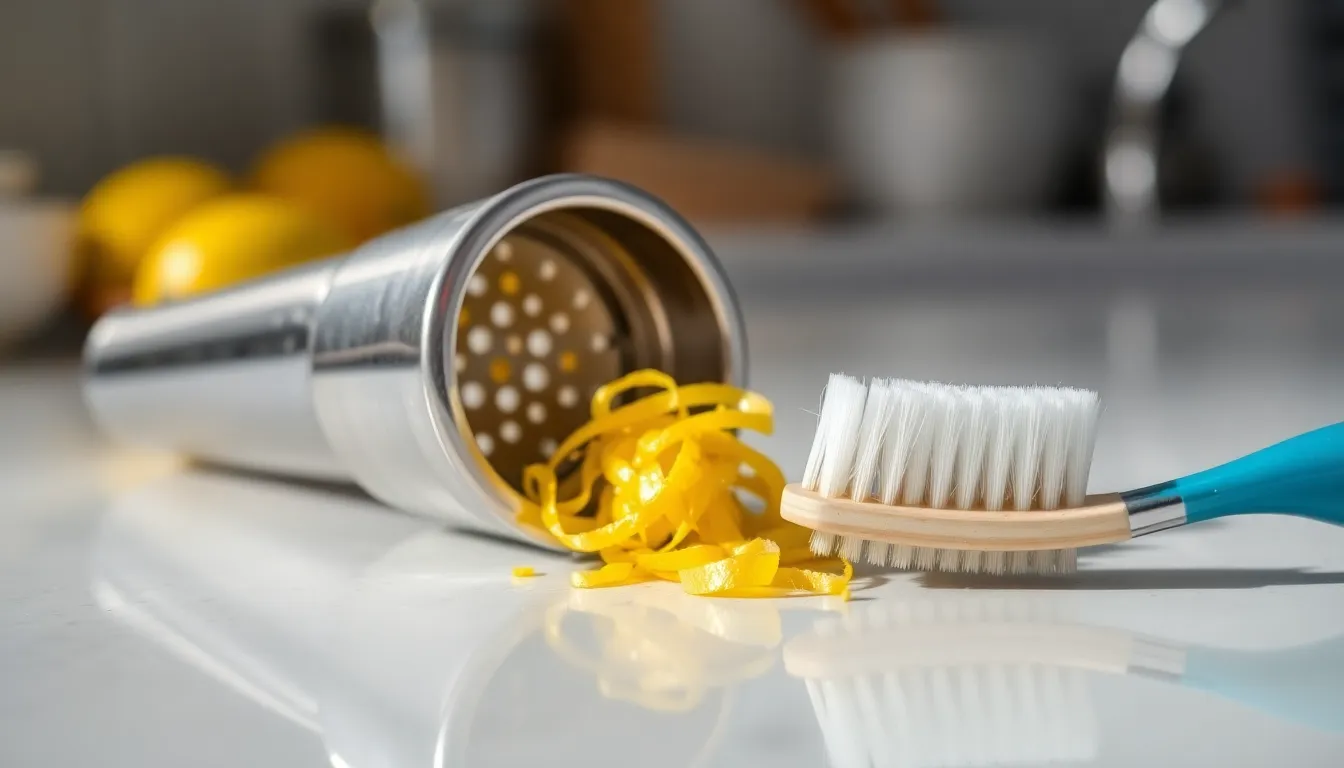
Dedicated Zesters and Cleaning Tools Face Their Own Limitations
The Allure and Shortcomings of Specialized Zesters
The widespread discussion surrounding the initial paper kitchen ‘hack’ for zest collection has propelled users to explore diverse alternative solutions. Among these, dedicated zesters are frequently presented as a more intuitive and efficient tool. Many culinary enthusiasts advocate for these specialized implements, believing they simplify the often-fiddly process of obtaining citrus zest.
User experiences highlight the perceived convenience of these dedicated tools. One community member explicitly suggested, “Just invest in a zester! You can even buy one at the dollar store,” emphasizing their affordability and widespread availability. This accessibility makes a dedicated zester an attractive, seemingly straightforward answer to collecting fine zest without excessive mess or waste. The initial expectation is a clear advantage over multi-purpose graters.
However, the practical application of dedicated zesters reveals a common, persistent drawback. Despite their specialized design, they do not universally solve the issue of trapped zest. A notable counterpoint from another user articulated this frustration directly: “I have the same problem with my zester unfortunately,” indicating that fine zest often remains lodged within the tool’s tiny apertures. This outcome suggests that even purpose-built kitchen tools can exhibit limitations regarding zest retention, challenging their perceived superior efficiency.
Inventive Solutions for Grater Cleanup
The persistent difficulty in thoroughly cleaning graters, regardless of their design, has prompted a wave of inventive user-proposed cleaning techniques. This ongoing quest for effective cleanup strategies reflects a shared frustration among home cooks. Removing every last particle of trapped zest or grated food from a grater’s small holes can be particularly challenging, demanding more than a simple rinse.
Consequently, many individuals turn to specific household items to address this intricate task. Suggestions for alternative cleaning methods include employing “a toothbrush!” or “the dish brushes to wash the graters,” demonstrating a preference for tools with fine bristles. These implements allow users to access the minute openings and grooves where food particles tend to cling. Such adaptable solutions aim to achieve a higher standard of kitchen hygiene.
The examination of both established tools like dedicated zesters and various user-proposed cleaning hacks reveals a crucial insight: no single, universally flawless solution exists for collecting zest or cleaning graters. Every method, whether specialized or improvised, presents its own set of practical challenges and benefits. Therefore, the very idea of a kitchen ‘hack’ has people debating if it’s actually easier or more complicated to adopt different strategies, highlighting a continuous culinary exploration.
This ongoing search for optimal kitchen practices underscores a deeper collective desire among home cooks. They seek genuinely effective, frustration-free approaches that streamline both food preparation and equipment maintenance. Ultimately, the effectiveness of any solution often depends on individual preference and the specific design of the kitchen tool in question, emphasizing the personalized nature of culinary routines. This sustained dialogue regarding the initial kitchen ‘hack’ continues to foster innovation for more efficient streamlined kitchen tasks.
Featured image generated using Flux AI
Devon Live: “Kitchen ‘hack’ has people debating if it’s actually easier or more complicated”