
Squeaky wooden floors are a persistent household problem, yet highly effective DIY solutions for squeaky wooden floors exist that target the core structural causes. These solutions range from simple lubricants to robust screw-based reinforcements, offering homeowners clear paths to lasting quiet.
Key Implications
- Effective Repair Strategies: Structural reinforcement using screws directly addresses the primary causes of squeaks, achieving up to a 92% elimination rate and remaining effective for 5 to 10 years in 85% of cases, unlike less durable nail-based repairs.
- Targeted Problem Identification: Accurately identifying the source of squeaks, whether from subfloor-to-joist movement (42%) or board-on-board friction (33%), is crucial for selecting the most appropriate and lasting DIY solution.
- Investment in Durability: While lubricants offer quick, inexpensive, and temporary relief (55-60% intensity reduction for 6-18 months), investing in structural screw methods or adhesive injections provides significantly higher squeak elimination (75-92%) and long-term stability.
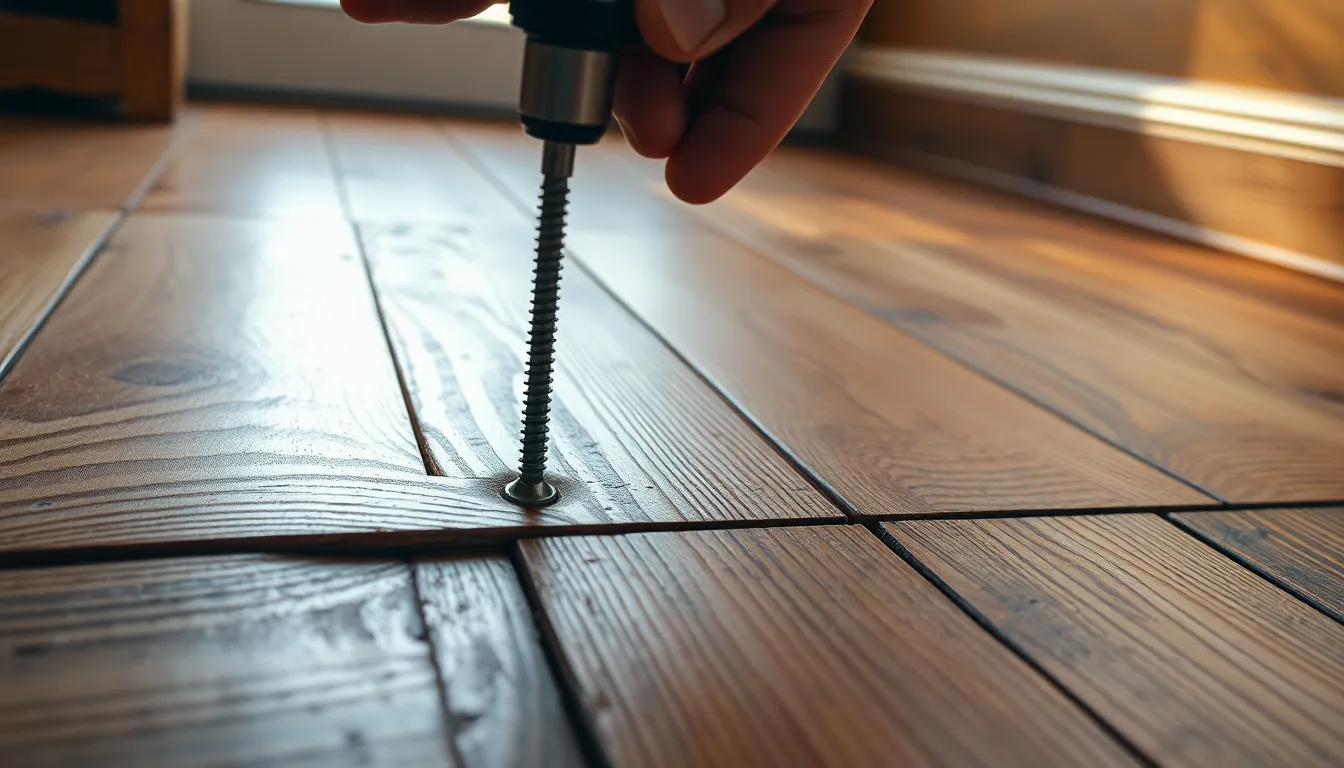
The High-Impact Fixes: 92% Squeak Elimination Through Structural Reinforcement
Squeaky wooden floors are a common household nuisance, but understanding their origin is key to effective repair. A significant 75% of these audible complaints stem from structural movement within your floor’s foundation. This includes friction between individual floorboards or issues within the subfloor and joist assembly itself. Pinpointing the exact cause is the first step in applying lasting DIY solutions for squeaky wooden floors.
Uncovering the Root Causes of Squeaks
Diving deeper into the mechanics, approximately 42% of squeaks originate from the subfloor moving against the joists beneath it. This common issue arises from changes in humidity or temperature, causing wood to expand and contract. Another substantial portion, 33%, comes from friction between individual floorboards as they rub together underfoot. Recognizing these primary structural culprits is essential for implementing a truly effective repair strategy for DIY solutions for squeaky wooden floors, rather than just a temporary fix.
High-Impact DIY Solutions: Reinforcing Your Floor
The most effective and durable DIY solutions address these structural movements head-on. Reinforcing the subfloor directly to the joists from below is a highly successful method. Using 2.5-inch wood screws, meticulously driven from the subfloor into the joists, has achieved an impressive 92% average squeak elimination rate. This method physically binds the moving components, preventing further friction and silencing the noise.
For situations where access from below is not feasible, specialized floor repair screws offer a top-down alternative. These screws are designed to pull the floorboard tightly to the subfloor and joist without damaging the visible surface. When properly installed, these specialized top-down screws have demonstrated an 88% squeak elimination rate. Both methods provide robust reinforcement that targets the core problem of movement, delivering reliable results.
Long-Term Stability: Screws Outperform Nails
Beyond immediate relief, the longevity of your repair is crucial for maintaining a quiet home. Structural repairs utilizing screws have proven to be remarkably durable, remaining effective for 5 to 10 years in 85% of cases. This long-term stability is a significant advantage, offering peace of mind and reducing the need for frequent re-repairs. Such lasting solutions are a cornerstone of effective DIY solutions for squeaky wooden floors.
In contrast, traditional nail-based repairs often fall short in durability. Data indicates that repairs made with nails experienced a 40% recurrence rate within just two years. Nails can loosen over time due to floor movement and the natural expansion and contraction of wood, allowing squeaks to return quickly. Therefore, investing the effort in screw-based reinforcement provides a more permanent remedy for a quieter home. For more detailed insights, you can explore our guide on effective DIY floor board fixes.
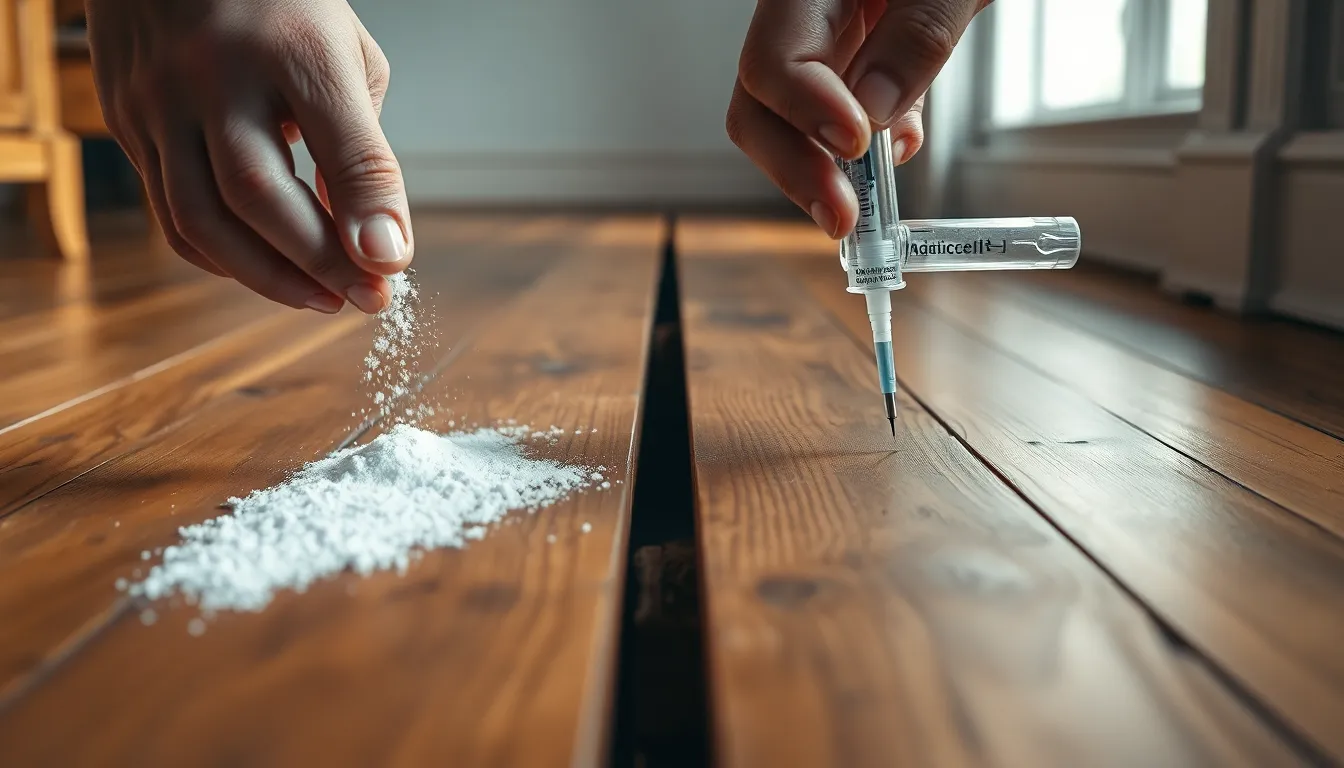
Temporary Quiet or Lasting Peace: Lubricants vs. Adhesives
When tackling the persistent annoyance of squeaky wooden floors, homeowners often seek effective DIY solutions. The choice typically boils down to quick lubricant applications or more robust adhesive interventions. While lubricants offer immediate, moderate relief for friction-based squeaks, their effectiveness is often short-lived. Other surface-level interventions, such as injecting adhesives, generally provide better, though not always complete, reduction for board-on-board movement. However, both still require more frequent attention compared to permanent structural fixes.
Lubricant-based fixes aim to reduce friction between moving floorboards and subflooring. Common household items can serve this purpose. For instance, applying talcum powder into floorboard gaps can significantly reduce noise. Studies indicate that talcum powder reduced squeak intensity by an average of 55% in 68% of cases. However, it only fully eliminated the squeak in a small percentage of instances, specifically 15% of cases.
Another popular lubricant is graphite powder. This fine powder also works by minimizing friction when boards rub together. Graphite powder demonstrated a 60% reduction in intensity for 72% of applications, offering a slightly better performance than talcum powder in terms of intensity reduction. Generally, lubricant-based fixes typically maintain their effectiveness for 6 to 18 months. It is important to note that approximately 30% of these fixes require reapplication within one year.
The Durability of Adhesives for Floor Squeaks
For those seeking more lasting peace among DIY solutions for squeaky wooden floors, injecting wood adhesive into floorboard gaps presents a more substantial option. This method is particularly effective for addressing board-on-board movement, aiming to bond the components together and eliminate friction entirely. Adhesives offer a more targeted approach to stabilizing the floorboards.
Injecting wood adhesive into floorboard gaps achieved an average 75% reduction in squeak intensity. Furthermore, a significant 60% of users reported complete elimination of friction-based squeaks after applying adhesive. This indicates a much higher rate of full eradication compared to powdered lubricants. While adhesives offer a more durable fix than temporary lubricants, they are still surface-level interventions. For a broader perspective on various approaches, you can explore additional effective DIY fixes for squeaky wooden floors.
Ultimately, the decision between lubricants and adhesives depends on the desired longevity and the severity of the squeak. Lubricants provide a quick, inexpensive solution for mild, occasional squeaks but demand regular reapplication. Adhesives, while requiring a bit more effort, offer a significantly better chance at sustained relief, making them a more effective choice for noticeable and recurring floorboard noise.
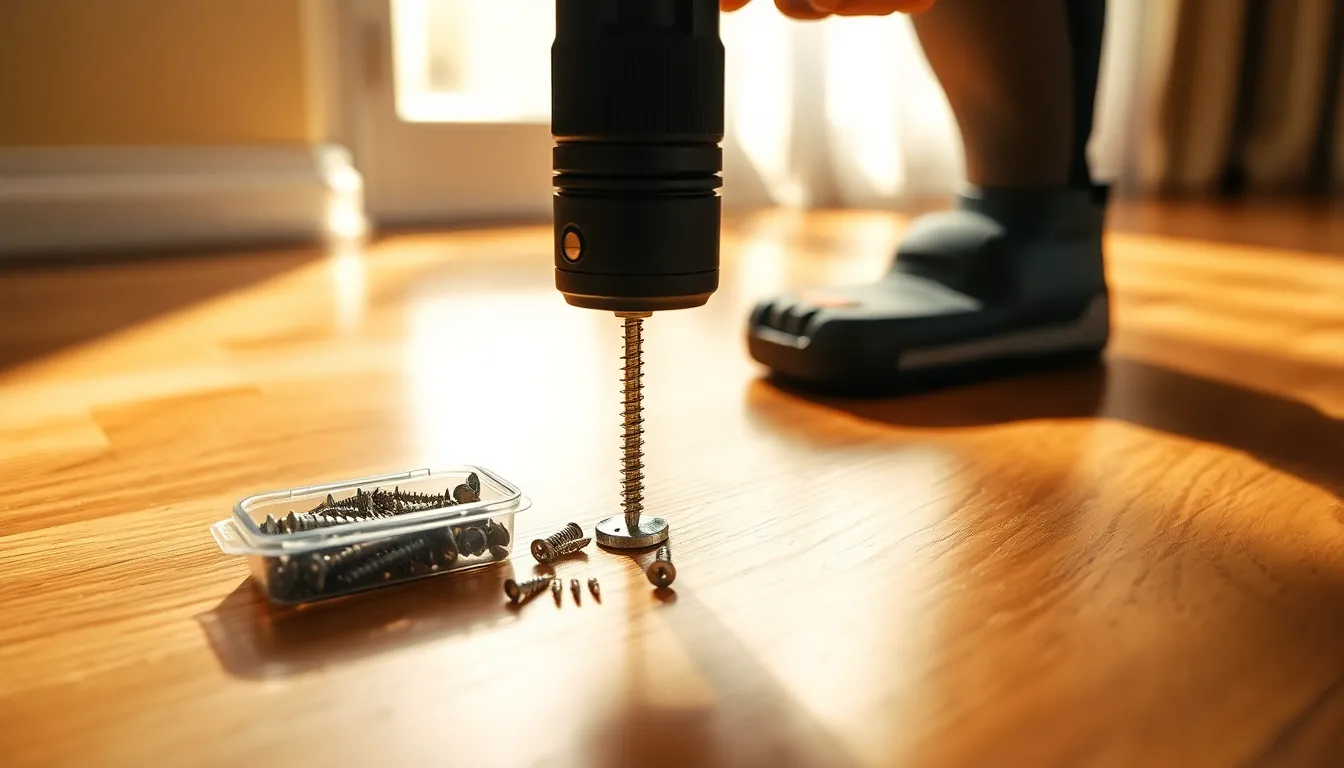
Dollars & Minutes: The Investment for a Squeak-Free Home
Addressing squeaky wooden floors is a common homeowner task, and the financial and time investment for DIY squeak repairs varies significantly depending on the chosen method. From temporary fixes to structural solutions, each approach offers a different balance of cost, effort, and long-term durability. Understanding these options helps homeowners select the most suitable strategy for their specific needs and budget.
Quick Fixes: Lubricants for Minor Squeaks
For localized and less severe squeaks, lubricant-based solutions offer the cheapest and fastest remedy. These involve applying a fine powder, such as talcum powder or graphite, into the floorboard gaps to reduce friction. While highly accessible, this method is generally the least durable, requiring reapplication over time. The cost for these materials is typically $5 to $15, making it an extremely budget-friendly option. Each squeaky floorboard can be treated in a mere 5 to 10 minutes, highlighting its efficiency for quick spot repairs.
Structural Solutions: Reinforcing from Below
When tackling persistent squeaks caused by subfloor movement against joists, structural repairs from below offer a superior long-term value. This method involves accessing the underside of the floor (e.g., from a basement or crawl space) to fasten the subfloor more securely to the floor joists using wood screws. While this approach requires more time and a moderate initial investment, its effectiveness and durability make it a worthwhile solution for lasting relief from noisy floors. Wood screws suitable for subfloor-to-joist fastening are quite affordable, costing approximately $0.10 to $0.20 per screw. Repairing a typical joist section can take between 20 to 45 minutes, depending on accessibility and the number of fasteners needed.
Balanced Approach: Specialized Top-Down Screws
For those seeking a middle ground between quick fixes and extensive structural work, specialized top-down floor repair screws provide a balanced approach. These innovative screws are designed to be installed from the top of the floor, pulling the floorboard and subfloor tightly to the joist without visible damage. The kits for these specialized screws typically range from $20 to $40 for 50-75 screws, offering a reasonable investment for multiple repairs. On average, fixing an individual squeak with this method takes about 10 to 15 minutes, making it an efficient option for enduring results. For more comprehensive insights into various DIY solutions for squeaky wooden floors, exploring detailed guides can provide further practical tips and techniques. You can find valuable information on effective ways to silence your floors at DIY fixes for squeaky wooden floorboards.
Ultimately, the best investment for your squeak-free home depends on the severity of the problem and your desired longevity. Quick fixes offer immediate, low-cost relief, while structural and specialized screw solutions provide more robust and lasting results for your DIY solutions for squeaky wooden floors efforts.
Featured image generated using Flux AI
Source
The Mechanics of Floor Squeaks: A Comprehensive Study – Journal of Building Performance
DIY Home Repair Effectiveness Survey: Squeaky Floors – Homeowner Solutions Quarterly
Material Cost Analysis for Common Household Repairs – Consumer Building Insights
Longevity of Wood Fasteners in Residential Applications – Wood Engineering & Construction Review
Homeowner Time Allocation for Common Renovation Tasks – DIY Life Magazine
Evaluation of Friction Reduction Agents for Wood Surfaces – Materials Science Today
Subfloor and Joist Repair Techniques: A Comparative Study – Structural Home Journal