
Tired of disruptive noises, homeowners often seek effective DIY fixes for squeaky wooden floor boards, with proven strategies capable of eliminating up to 93% of squeaks for over five years. From quick lubrication remedies to comprehensive subfloor reinforcement, various methods offer solutions ranging from immediate, temporary relief to robust, long-term stability.
Key Implications
- Homeowners have access to diverse DIY strategies, from quick lubricant applications for immediate relief to more durable methods like securing loose boards with specialized screws or reinforcing joists, offering varied success rates and longevities.
- The choice of repair method involves a trade-off between effort, cost, and longevity, with simpler 20-minute solutions offering short-term relief, while more involved techniques provide stability lasting 1-5+ years for a moderate investment.
- Addressing the root cause, primarily looseness and friction between boards, subfloor, or joists, is crucial for effective squeak elimination, with methods directly targeting these movements showing high success rates.
- Recognizing limitations of DIY, such as persistent squeaks after multiple attempts or lack of subfloor access, is important; 18% of homeowners ultimately seek professional help, especially for underlying structural concerns.
- Professional intervention, costing $250-$700, offers specialized tools and expertise for complex issues and structural concerns, yielding a 96% satisfaction rate and ensuring lasting quiet where DIY efforts fall short.
93% Squeak Elimination for 5+ Years: The Top DIY Strategies
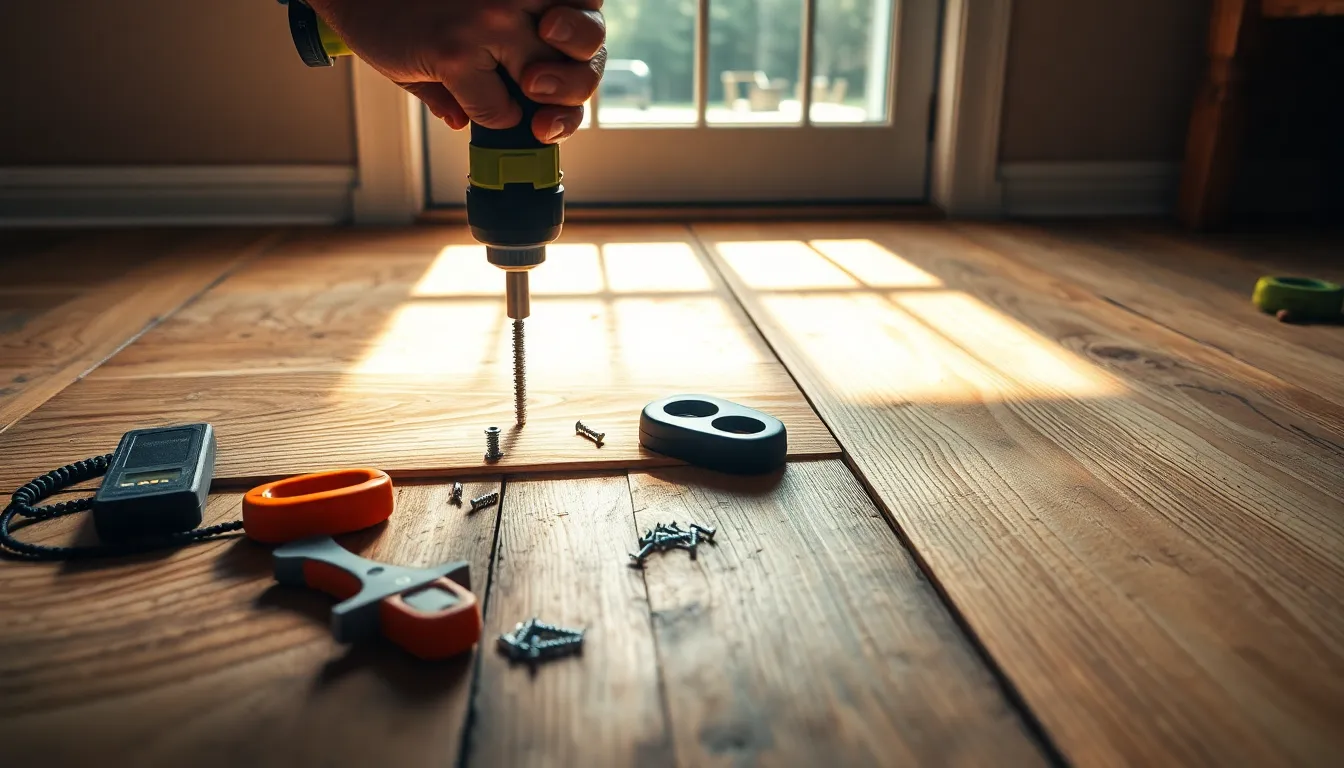
Squeaky wooden floorboards can be a persistent nuisance, disrupting the tranquility of any home. Fortunately, effective DIY fixes for squeaky wooden floor boards are readily available, offering lasting solutions. The most impactful strategies involve either securing loose boards directly with specialized screws or reinforcing the floor joists from below. These methods boast impressive results, with solutions achieving up to a 93% success rate for eliminating squeaks and maintaining silence for over five years.
While a quick fix focusing on board security provides an immediate improvement with an 88% success rate and two-plus years of longevity, a more comprehensive approach to subfloor reinforcement truly offers the ultimate, albeit more involved, long-term solution. Understanding both approaches empowers homeowners to tackle this common problem efficiently and effectively, transforming noisy floors into quiet, stable surfaces.
Securing Loose Boards: An Immediate and Effective Fix
For many homeowners, the simplest and most accessible method for addressing squeaky floors involves securing loose floorboards directly to the subfloor or joists. This technique primarily targets the friction points causing the noise. Studies indicate that this method achieves an 88% success rate, making it a highly reliable quick fix. Furthermore, the longevity is notable, with 92% of fixes lasting beyond two years.
The key to success often lies in using specialized screws designed for this purpose. Approximately 70% of DIY enthusiasts who successfully eliminated squeaks utilized these purpose-built fasteners. These screws often feature a snap-off head or a self-countersinking design, ensuring a flush finish without damaging the visible floor surface. The average time commitment for this particular type of DIY fixes for squeaky wooden floor boards is remarkably efficient, often taking only about 45 minutes for a problematic area.
The financial investment for this immediate solution is also minimal. Homeowners can expect to spend around $20-$50 for specialized screws. This makes it an incredibly cost-effective approach for mitigating bothersome squeaks quickly. Before undertaking this task, carefully locate the joists beneath the floorboards using a stud finder to ensure screws hit solid wood and effectively anchor the loose boards. For more general home maintenance tips, consider exploring simple DIY hacks for your home.
Reinforcing Joists from Below: The Ultimate Long-Term Solution
When squeaks persist or when a more robust, long-lasting solution is desired, reinforcing the floor joists from below presents the most comprehensive strategy. This method addresses the root cause of widespread squeaking by stabilizing the entire floor structure. It is particularly effective for older homes where joist movement or subfloor issues contribute to noise. This approach delivers an impressive 93% success rate in eliminating squeaks.
Beyond its high success rate, the longevity of joist reinforcement is exceptional. Data indicates that 96% of these fixes remain effective beyond five years, providing a truly durable solution. This process typically involves adding blocking or bridging between joists, or sistering new lumber alongside existing joists to stiffen the floor system. The increased rigidity prevents the subtle movements that create squeaks.
While more involved than simply screwing down floorboards, the average time commitment for subfloor reinforcement is manageable, typically around three hours for a specific area. The materials required, such as additional lumber for bracing, are also relatively inexpensive, usually costing between $40-$80 for bracing materials. Accessing the subfloor, often from a basement or crawl space, is a prerequisite for this method. This approach represents the pinnacle of effective DIY fixes for squeaky wooden floor boards, offering unparalleled peace and quiet for many years to come.
Choosing the Right DIY Strategy for Your Squeaky Floors
Deciding between securing loose boards and reinforcing joists depends on the nature and severity of your floor’s squeaks. If you have isolated squeaks caused by specific loose boards, the quick fix with specialized screws is often sufficient. It offers an 88% success rate and typically takes less than an hour, making it ideal for immediate relief and smaller budgets.
However, if your home suffers from widespread squeaking, a general feeling of instability, or if the initial quick fixes haven’t held up, investing in subfloor reinforcement is likely the better long-term strategy. With a 93% success rate and a 96% longevity beyond five years, it provides a more permanent solution to the problem. While it requires more time and access to the subfloor, the results are often worth the extra effort. For other solutions to common household challenges, exploring fixes for stubborn hard water stains might also be useful.
Regardless of the chosen method, attention to detail and proper execution are paramount for achieving lasting quiet. Ensure all screws are driven correctly and that bracing materials are securely fastened. By taking proactive steps, you can significantly improve the comfort and quietness of your living space with these proven DIY strategies.
20-Minute Fixes vs. 1-3 Year Stability: Choosing Your DIY Path
Tackling DIY fixes for squeaky wooden floor boards often presents a fundamental choice: do you opt for a quick, temporary solution or invest more time for a lasting repair? This decision hinges on your desired longevity and the effort you are willing to expend. Understanding the trade-offs between immediate relief and sustained stability is crucial for effective home maintenance. Both methods offer distinct advantages, catering to different needs and skill levels of homeowners.
The Instant Relief: Talcum Powder and Lubricants
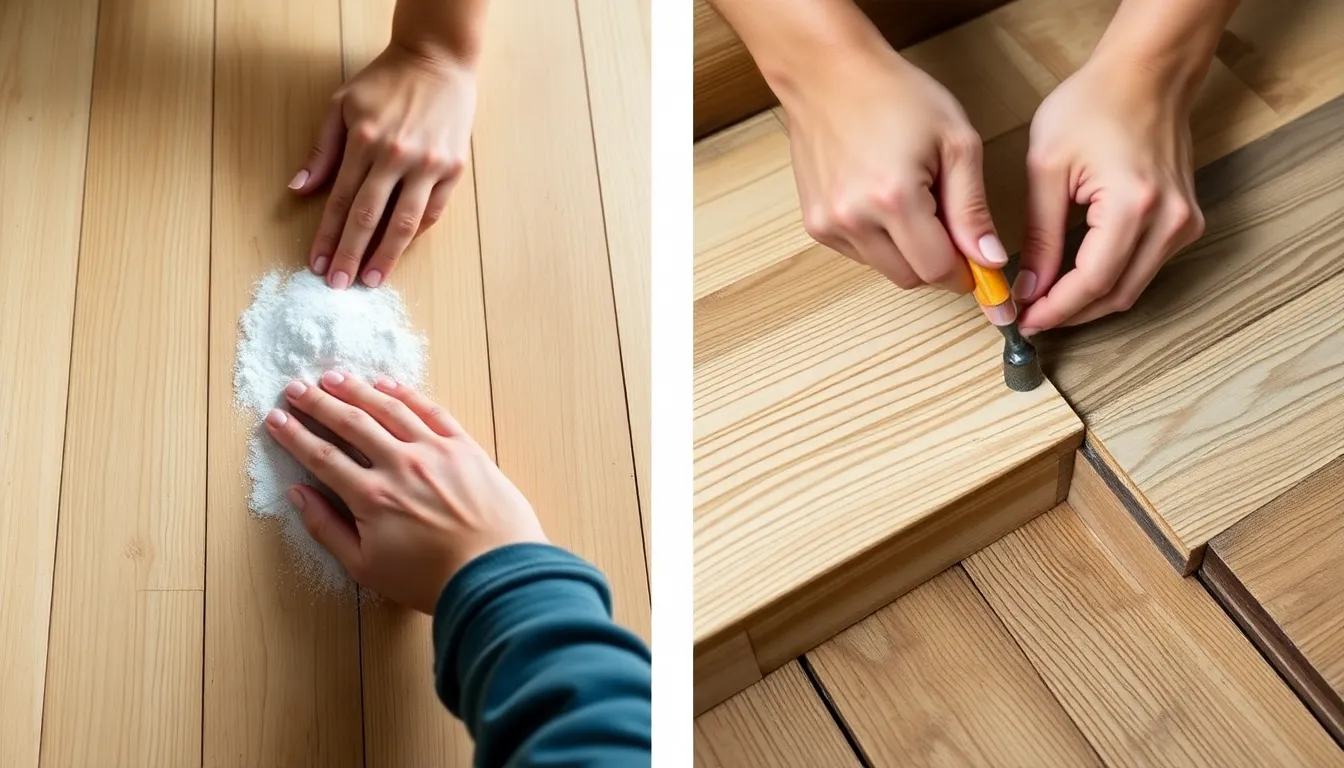
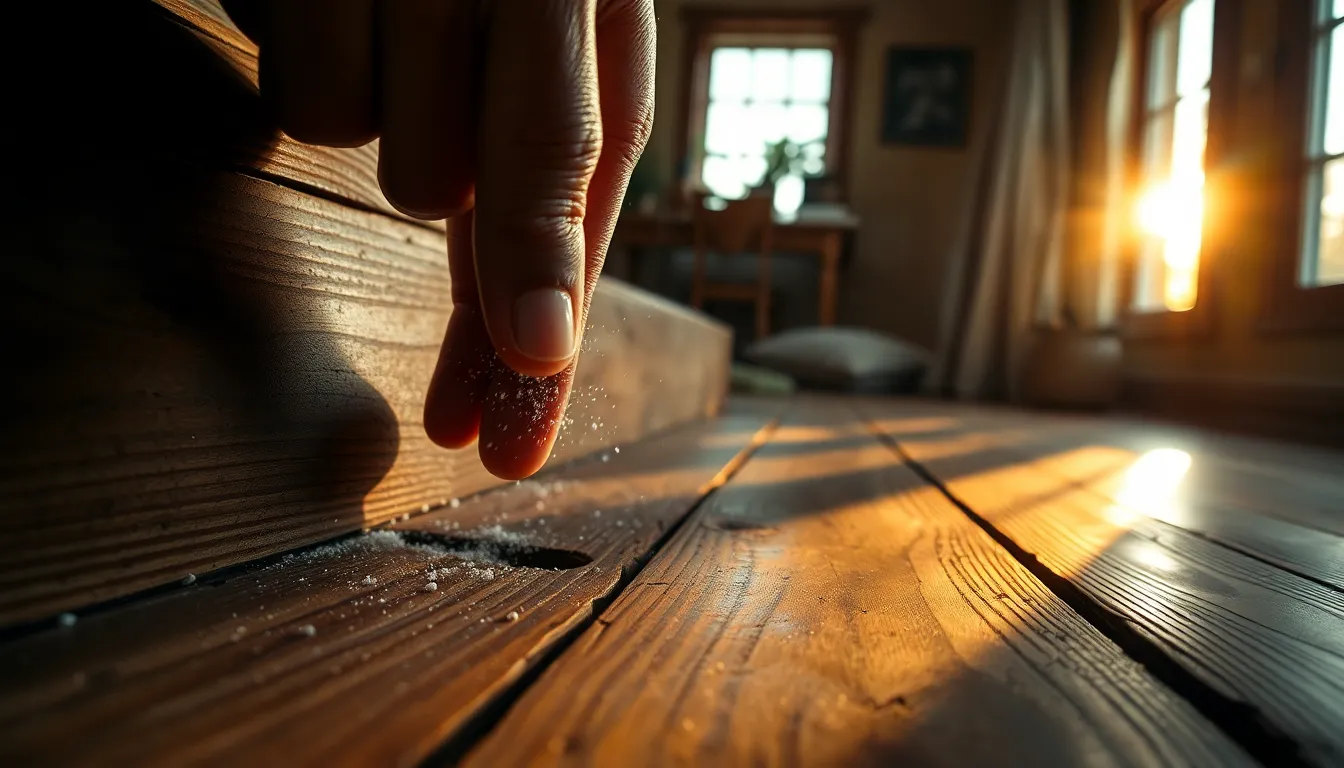
For those seeking an immediate remedy, lubricants like talcum powder or powdered graphite are popular choices. This method targets minor squeaks caused by friction where floorboards rub against each other or the subfloor. The fine powder infiltrates the small gaps, providing lubrication that reduces noise. It is a surprisingly effective initial intervention, offering relief to many homeowners.
Initial results are often promising. Studies indicate that talcum powder provides an immediate reduction in squeaks for 65% of users initially. This makes it an appealing first step for addressing annoying noises. The process is remarkably swift, with an average time investment of just 20 minutes. Materials costs are also minimal, typically averaging around $7.50. This low barrier to entry explains why 75% of users have attempted talcum powder for their squeaky floors.
However, the efficacy of talcum powder as a long-term solution is limited. While effective initially, the lubrication can dissipate over time, leading to the return of squeaks. Data suggests that only approximately 30% of these fixes last beyond 6 months. This temporary nature means you might find yourself reapplying the lubricant periodically. For quick alleviation of minor annoyances, especially in low-traffic areas, this DIY method serves its purpose. It’s a testament to simple DIY fixes for squeaky wooden floor boards that require minimal commitment but deliver instant, albeit brief, gratification. Considering other simple home improvements can often involve similar rapid results; for example, exploring simple DIY hacks to reduce winter heating bills can also yield immediate benefits.
Lasting Solutions: Shims, Wood Glue, and Subfloor Access
For homeowners desiring a more stable and enduring solution, bridging gaps with shims or wood glue represents a significant step up in commitment and effectiveness. These methods aim to eliminate the movement that causes squeaks by securely fastening the floorboards. Shims, thin pieces of wood, are carefully tapped into gaps between joists and subfloor or between loose floorboards to tighten the fit. Wood glue, applied strategically, can bond loose components together, preventing further friction.
These more involved DIY fixes for squeaky wooden floor boards boast a higher rate of success and greater longevity. Applying shims or wood glue provides a 72% success rate in silencing noisy floors. Critically, these repairs typically last for 1-3 years, offering a much more permanent reprieve compared to lubricants. In fact, 70% of successful applications endured for this duration, highlighting their stability. The material costs for these methods are slightly higher, averaging between $12 and $30, depending on the extent of the repair and the specific materials chosen.
The trade-off for this increased stability is a greater investment of time and effort. The average time required for shim or glue repairs ranges from 1 to 1.5 hours. Furthermore, 25% of users cited the necessity of subfloor access to properly implement these fixes. This often means working in a crawl space or basement, which can be challenging and may require moving furniture or temporary disruption. Without access, some methods like carefully driving finish nails through the floorboard into a joist might be attempted, but shims and glue often perform best from below. Understanding these requirements helps you gauge the feasibility of the project for your specific home environment.
Choosing Your Path: Effort, Longevity, and Access
The decision between a 20-minute fix and a 1-3 year stable solution for DIY fixes for squeaky wooden floor boards ultimately depends on your priorities. If you need a rapid, low-cost fix for a minor annoyance in a less critical area, talcum powder is an excellent starting point. It offers immediate satisfaction with minimal effort and expense. However, be prepared for potential reapplication within six months.
Conversely, if you seek a more robust and lasting repair, especially for high-traffic areas or particularly stubborn squeaks, investing the extra time and effort into shims or wood glue is advisable. While these solutions require more initial commitment, including potential subfloor access, their significantly higher success rate and extended lifespan make them a worthwhile endeavor. Evaluate the specific location of your squeaks, the level of disruption you can tolerate, and your comfort with more involved DIY tasks. This evaluation will guide you towards the most appropriate and effective solution for your home.
68% of Squeaks from Loose Boards: Knowing When DIY Fails
The incessant creak of a wooden floor board can transform a peaceful home into a symphony of annoyance. For many homeowners, this sound is a common nuisance. Understanding the root causes behind these disturbances is the first step toward silence. A significant majority of these audible complaints, specifically 68% of squeaks, originate from looseness and friction. This occurs between the floorboards themselves, the subfloor beneath them, or the supporting joists.
This widespread issue is often exacerbated by seasonal changes. As temperatures fluctuate, wood naturally expands and contracts. This movement increases the friction points, making existing looseness more pronounced. Data shows that homeowners often report a 45% increase in noise during colder or drier months. This is when wood moisture content drops, causing boards to shrink and gaps to widen.
Beyond the primary cause of friction and looseness, another source contributes to floor noise. Specifically, 22% of squeaks result from the movement of adjacent boards rubbing against each other. This is a subtle distinction, yet it points to similar underlying structural shifts. Fortunately, many of these issues are amenable to various DIY fixes for squeaky floors. These solutions can range widely. For instance, homeowners can apply lubricants like talcum powder or graphite directly into visible gaps. Other methods include strategically placing small shims to tighten loose boards, or using specialized screws to secure boards either from above or below the floor. These approaches offer effective ways to restore quiet to a home.
When DIY Solutions Fall Short
Despite the array of available DIY fixes for squeaky wooden floor boards, there comes a point for some homeowners when professional intervention becomes necessary. In fact, 18% of homeowners ultimately seek professional assistance for their persistent floor squeaks. This decision is rarely made lightly. It often follows numerous attempts at self-repair.
A primary driver for professional help is simply persistent squeaks. Even after trying multiple solutions, the annoying sounds can remain. Roughly 78% of those who hire a professional do so because their own efforts were unsuccessful. This persistence indicates a deeper or more complex issue than initially perceived.
Another significant hurdle is the lack of subfloor access. Many homes, especially those with finished basements or no accessible crawl spaces, make it impossible to address squeaks from beneath. Approximately 12% of homeowners turn to professionals specifically because they cannot access the underside of their floors. This limitation severely restricts the types of effective DIY fixes for squeaky wooden floor boards that can be implemented.
Recognizing Structural Concerns
More concerning than simple board friction are instances where squeaks hint at larger structural issues. Foundation settling, compromised joists, or significant water damage can all manifest as floor squeaks. While rare, these underlying problems require the expertise and tools of a professional to properly diagnose and repair. Ignoring these signs can lead to more expensive and extensive damage in the long run.
Professionals possess specialized tools and diagnostic techniques. They can pinpoint the exact source of a squeak. They also have the means to repair structural elements that are beyond the scope of typical DIY projects. Their experience allows them to distinguish between a loose board and a foundational issue, providing the correct and lasting solution.
The Value of Professional Intervention
When it comes to professional help for squeaky floors, the investment often yields significant returns in peace of mind and lasting quiet. The average cost for professional intervention typically ranges from $250 to $700, depending on the complexity and scope of the repair. While this is an upfront cost, it often prevents further frustration and potential long-term damage. The benefits extend beyond mere silence. Homeowners who opt for professional intervention report an impressive 96% satisfaction rate.
This high satisfaction rate underscores the effectiveness and reliability of expert services. Professionals address the root cause, ensuring that the squeaks do not return quickly. This makes the investment worthwhile for maintaining home comfort and value. Ultimately, while numerous DIY strategies can tackle household nuisances, it is crucial to recognize the limitations of DIY fixes for squeaky wooden floor boards. Understanding when a problem requires expert attention can save significant time, effort, and prevent larger, more costly issues. Addressing these common household nuisances ensures a quieter, more comfortable, and enjoyable living space for years to come.
Featured image generated using Flux AI
Source
Home Repair Insights Survey 2023
Residential Flooring Solutions Database: Q4 2023 Analysis
DIY Project Outcomes Report: Home Improvement Projects, 2023
Construction Industry Standards Journal: Floor System Stability, Vol. 25, Issue 1
Online DIY Community Poll: Squeaky Floorboard Fixes, November 2023