
A recent TikTok video showcasing a “‘Brilliant’ hack using common kitchen item has people divided,” introducing a seemingly simple method to prevent citrus zest from sticking to graters. While initially praised for its ingenuity in solving a universal kitchen problem, this technique has since drawn extensive criticism regarding its practicality and potential risks.
Key Implications:
- Evaluation of Kitchen Innovations: Viral kitchen solutions, despite initial positive reception for addressing common frustrations, undergo rapid user scrutiny, revealing practical drawbacks such as increased labor, resource use, and questionable overall efficiency.
- Prioritization of Food Safety: The introduction of non-food items into food preparation, even as a protective measure, raises significant consumer concern over potential food contamination, highlighting a strong collective preference for uncompromised food integrity.
- Demand for Practical Culinary Tools: This discussion underscores an ongoing community demand for genuinely efficient, mess-free, and safe kitchen practices, driving the evaluation of both novel hacks and existing tools for common challenges like zesting and cleaning.
Greaseproof Paper Method Receives Over 92,000 Positive Reactions
A simple yet ingenious kitchen solution recently gained widespread attention on TikTok, addressing a common culinary frustration. This innovative method helps prevent citrus zest from sticking within grater teeth. The “Brilliant life hack” video quickly garnered significant positive engagement.
This particular ‘Brilliant’ hack using common kitchen item has people divided, yet its effectiveness is clear. It offers an efficient alternative to the typical mess associated with zesting. The video showcasing this technique accumulated over 92,000 likes, indicating substantial approval from viewers.
Solving a Universal Kitchen Problem
Many home cooks understand the challenge of zest becoming lodged in grater holes, making it difficult to retrieve. This inefficiency often leads to wasted product and extra cleaning effort. The viral hack directly tackles this persistent issue, offering a clean solution.
User feedback confirmed the hack’s utility, with one commenter simply stating, “Genius.” This positive reception highlights the demand for practical, time-saving kitchen tips. The method transforms a tedious task into a remarkably simple one.
The Ingenious Technique Unveiled
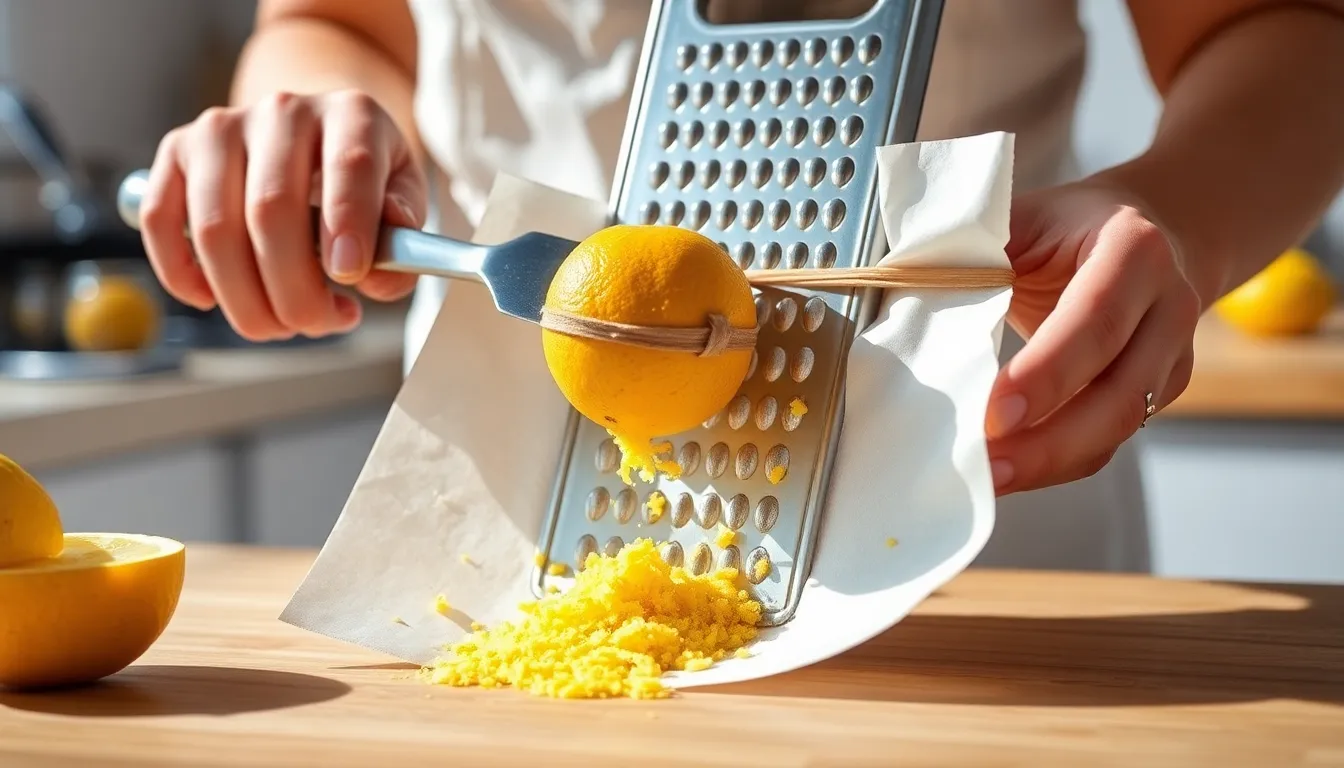
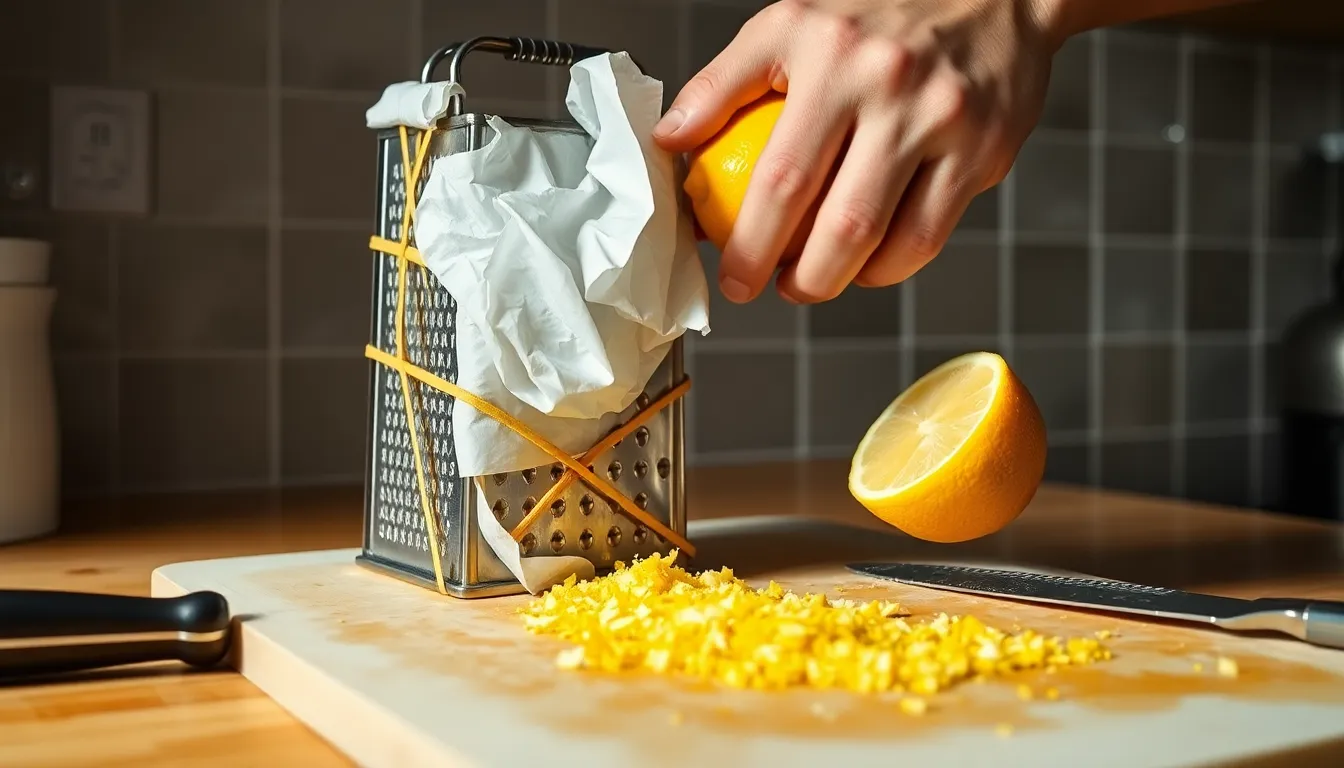
The core of this brilliant hack involves a readily available household item: greaseproof paper. Users wrap a sheet of this paper around a standard cheese grater. Elastic bands secure the paper firmly at both the top and bottom of the grating surface.
Once secured, a lemon or other citrus fruit is grated directly against the paper. The zest collects neatly on the paper’s surface rather than getting stuck in the grater’s small teeth. A knife or spatula then easily scrapes the collected zest from the paper.
This process completely bypasses the problem of zest lodging within the grater’s holes. The greaseproof paper acts as a protective, non-stick barrier. This method ensures maximum zest yield with minimal residue.
Elevating Your Culinary Preparations
Adopting this technique significantly simplifies the task of zesting citrus fruits. Whether for enhancing dishes, infusing baked goods, or crafting exquisite cocktails, the process becomes less messy and more efficient. It ensures that every bit of aromatic zest is captured and utilized.
This simple adjustment can positively transform your approach to various recipes. It minimizes cleanup and prevents food waste, allowing for a more enjoyable cooking experience. Discover how this common kitchen item hack makes your food preparation effortless and rewarding.
User Feedback Identifies Paper Contamination Risks and Reduced Efficiency
The “brilliant” hack using a common kitchen item, involving greaseproof paper for grating, rapidly gained viral attention. Despite its initial appeal, the method generated considerable skepticism among users.
Individuals questioned its overall practicality, efficiency, and significant potential for food contamination. This widespread debate highlights a critical evaluation of supposed kitchen innovations.
Skepticism Over Practicality and Resource Use
Users quickly assessed this greaseproof paper technique as counterintuitive for a purported “hack.” One TikTok user critically articulated, “How is this a hack? This looks like more work, more resources used, and potentially hazardous from potentially grated paper…”
This detailed critique underscores the perceived increase in labor and materials. The process necessitates additional items like greaseproof paper and elastic bands, directly contradicting the notion of a time-saving solution.
Consequently, many users view the ‘Brilliant’ hack using common kitchen item has people divided as inefficient. It adds complexity rather than simplifying culinary tasks.
Elevated Risks of Food Contamination
The primary negative feedback consistently focuses on the high probability of paper fragments inadvertently mixing with prepared food. Explicit concerns about residue were frequently raised in user comments.
One user directly questioned, “There’s no little parchment pieces in it?”, receiving a confirmatory reply, “There is,” accompanied by a crying emoji. This exchange unequivocally demonstrates the reality of paper contamination.
Such incidents pose significant food safety and quality concerns for consumers. Further user feedback solidified opposition to this contamination risk.
A different user asserted, “I would rather do the dishes than eat paper.” This stark preference emphasizes a zero-tolerance policy for foreign materials in food.
Another comment reinforced this sentiment: “No thanks… I’d rather not pick bits of that c*** out of your zest.” These strong reactions reveal a collective apprehension regarding compromised food integrity.
The presence of even minute paper bits can severely compromise the final dish. This negates any perceived benefit.
Inefficient Workflow and Compromised Culinary Integrity
The method introduces several new, time-consuming steps that users believe outweigh the benefit of simply avoiding stuck zest. These steps include carefully wrapping the grater and securely attaching the greaseproof paper.
Meticulously scraping off any remaining paper fragments also adds unexpected labor to a process intended to be effortless. The core issue remains that these new steps become particularly inefficient if paper bits compromise the final dish.
The overall user sentiment strongly suggests that this ‘Brilliant’ hack using common kitchen item has people divided actually complicates straightforward kitchen tasks. Rather than offering a genuine shortcut, it introduces potential hazards and extra work.
Ultimately, users prioritize straightforward food preparation, guaranteed safety, and uncompromised quality over a viral but flawed technique. For strategies to enhance kitchen efficiency without introducing risks, exploring methods for reducing food waste by using vegetable scraps offers practical benefits.
Community Discusses Alternative Zesting and Grater Cleaning Solutions
The recent discussion surrounding a Brilliant hack using common kitchen item has people divided and subsequently prompted a broader community exchange. Users began evaluating existing methods for both zesting citrus and cleaning graters. This collective inquiry examines traditional tools alongside innovative alternative techniques.
Addressing Grater Cleaning Challenges
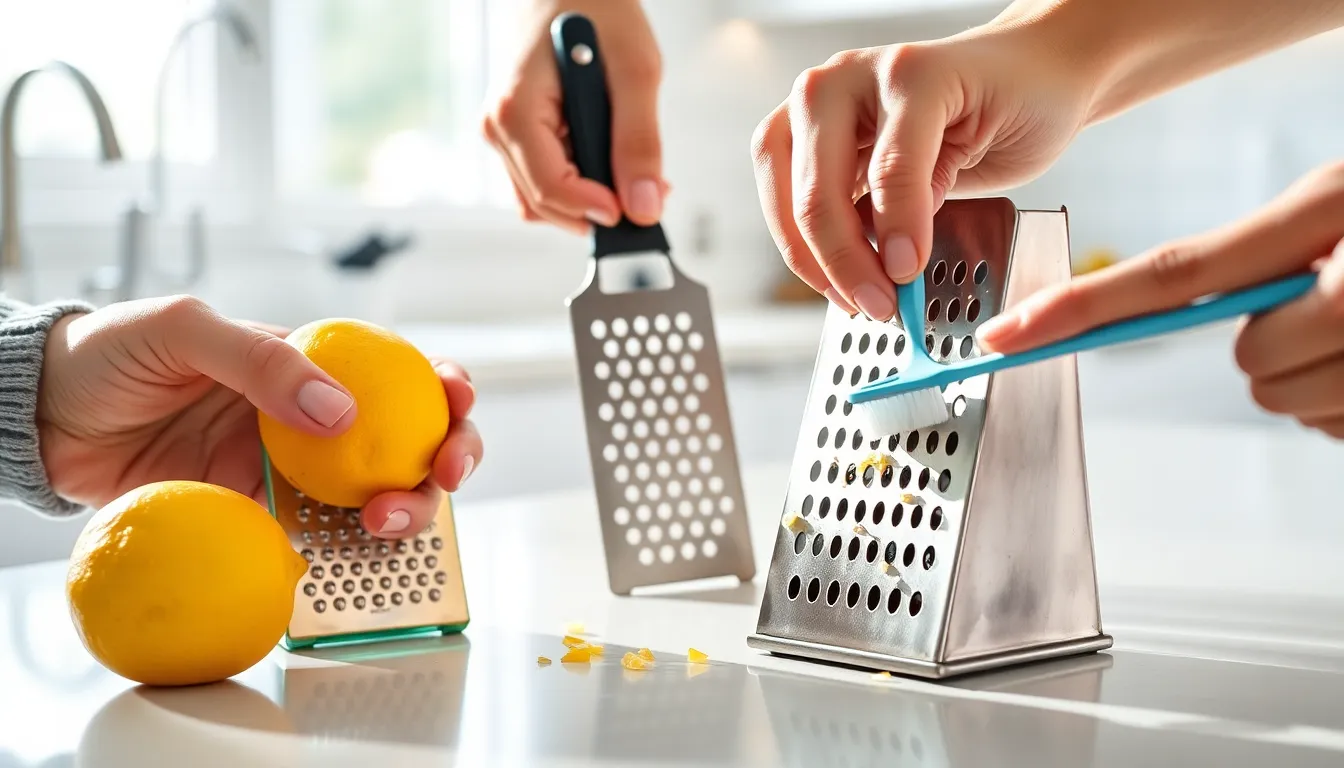
User feedback highlights simple, practical alternatives for grater maintenance. One suggestion involved using a toothbrush, which significantly aided in dislodging stuck food particles. Similarly, standard dish brushes serve as effective tools to prevent residue buildup within grater holes, thus simplifying the cleaning process.
The initial hack’s true intent was clarified; its purpose was not primarily zest collection. Instead, it aimed at preventing ingredients from becoming embedded in grater holes, which makes cleaning significantly harder. For effective cleaning strategies, consider exploring proven methods to maintain kitchenware.
The Debate Over Dedicated Zesters
The community discussion also involved the efficacy of dedicated zesters as specialized equipment. Some users advocated for investing in these tools, suggesting they offer a superior zesting experience. Such implements are widely available, with options even found at dollar stores, making them accessible to many consumers.
However, dedicated zesters do not entirely eliminate the fundamental issue. One user reported, “I have the same problem with my zester unfortunately,” indicating that zest still gets stuck in specialized tools. Consequently, the challenge of grating sticky ingredients persists across various tool types.
The exchanges fundamentally underscore the persistent difficulty of grating sticky ingredients efficiently and cleanly. This common problem drives an ongoing search for effective solutions. Whether through novel household hacks or optimized traditional tools, users consistently seek mess-free preparation methods.
Therefore, the debate surrounding the Brilliant hack using common kitchen item has people divided exemplifies a collective quest for culinary efficiency. This persistent challenge encourages continuous innovation in kitchen practices and tool design, as people strive to reduce waste by utilizing every part of their produce.
Featured image generated using Flux AI
Source: Daily Mirror: ‘"Brilliant" hack using common kitchen item has people divided’