
The staggering global volume of food waste, with 45% of fruits and vegetables discarded, presents a critical opportunity to reduce food waste by using vegetable scraps. Embracing this approach can save households hundreds of dollars annually and significantly combat the environmental impact of discarded food.
Key Implications
- Household Financial Savings: Preventing food waste, particularly by utilizing vegetable scraps, can save families an estimated $920 annually, freeing funds for other household needs.
- Environmental Impact Mitigation: Reducing food waste significantly decreases methane emissions from landfills and prevents 0.84 metric tons of CO2e per ton diverted, contributing to global greenhouse gas reduction.
- Enhanced Culinary Resourcefulness: Repurposing vegetable scraps into pestos, broths, dehydrated powders, or fermented foods extends their utility, preserves nutrients, and adds distinct flavors to meals.
- Growth in Sustainable Markets: The upcycled food market, projected to exceed $60 billion by 2027, demonstrates a burgeoning economic sector that transforms food by-products into valuable new products.
- Tools and Education Drive Waste Reduction: Strategic use of kitchen essentials like dedicated scraps containers, dehydrators, and countertop composters, combined with increased consumer awareness, can help households achieve a 10-20% reduction in food waste.

Uncovering the $1,600 Annual Loss from Your Kitchen and Its Global Impact
Globally, the sheer volume of wasted food is staggering. Approximately 1.3 billion tonnes of food are lost or wasted each year. This accounts for a significant 32.5% of all food produced worldwide. A particularly vulnerable category is fruits and vegetables, with a shocking 45% of this produce going to waste before it can be consumed. This global problem has direct implications for every household, including your own, where valuable resources are often discarded prematurely.
The problem hits home directly within your kitchen. In the United States alone, household food waste represents a substantial 43% of all food that is thrown away. This domestic waste then contributes a considerable 39% to municipal solid waste streams. The financial cost of this waste to the average family is significant. Households face an estimated $1,600 annual loss due to discarded food. Conversely, actively working to prevent this waste can lead to substantial savings, with the potential for £730 (approximately $920 USD) annually. Simple practices to reduce food waste by using vegetable scraps can mitigate these losses.
The Environmental Price Tag of Food Waste
The environmental consequences of food waste are immense and often underestimated. When food decomposes in landfills, it produces methane, a potent greenhouse gas. Consequently, food waste is responsible for a staggering 8-10% of global greenhouse gas (GHG) emissions. To put this into perspective, if food waste were a country, it would rank as the third largest emitter of greenhouse gases worldwide, trailing only China and the United States. This highlights its critical role in climate change.
Reducing food waste offers a clear path to environmental improvement. Diverting just one ton of food waste from landfills can prevent the emission of 0.84 metric tons of carbon dioxide equivalent (CO2e). This illustrates the direct positive impact of individual and collective efforts. Every action, from meal planning to consciously working to reduce food waste by using vegetable scraps, contributes to lessening this significant carbon footprint. Such efforts are crucial for global sustainability.
Unlocking Economic Benefits and a Growing Market
Beyond the environmental imperative, there are compelling economic reasons to address food waste. For households, the potential for £730 (~$920 USD) in annual savings is a powerful incentive. This money can be redirected towards other family needs or savings goals, directly improving financial well-being and contributing to a more secure thriving family life. Smart food management practices are a cornerstone of household budgeting.
Furthermore, the reduction of food waste is fueling a rapidly expanding economic sector: the upcycled food market. This innovative market transforms food by-products and overlooked ingredients into new, valuable products. The upcycled food market is projected to exceed $60 billion by 2027, demonstrating a compound annual growth rate (CAGR) of over 5%. This sector creates new commercial opportunities from what was once considered waste, showcasing a sustainable business model.
Embracing strategies like learning to reduce food waste by using vegetable scraps not only saves money at home but also aligns with this burgeoning industry. It demonstrates a commitment to resourcefulness and sustainability. Such choices are part of a larger personal wellness adventure, fostering environmental responsibility and economic prudence.
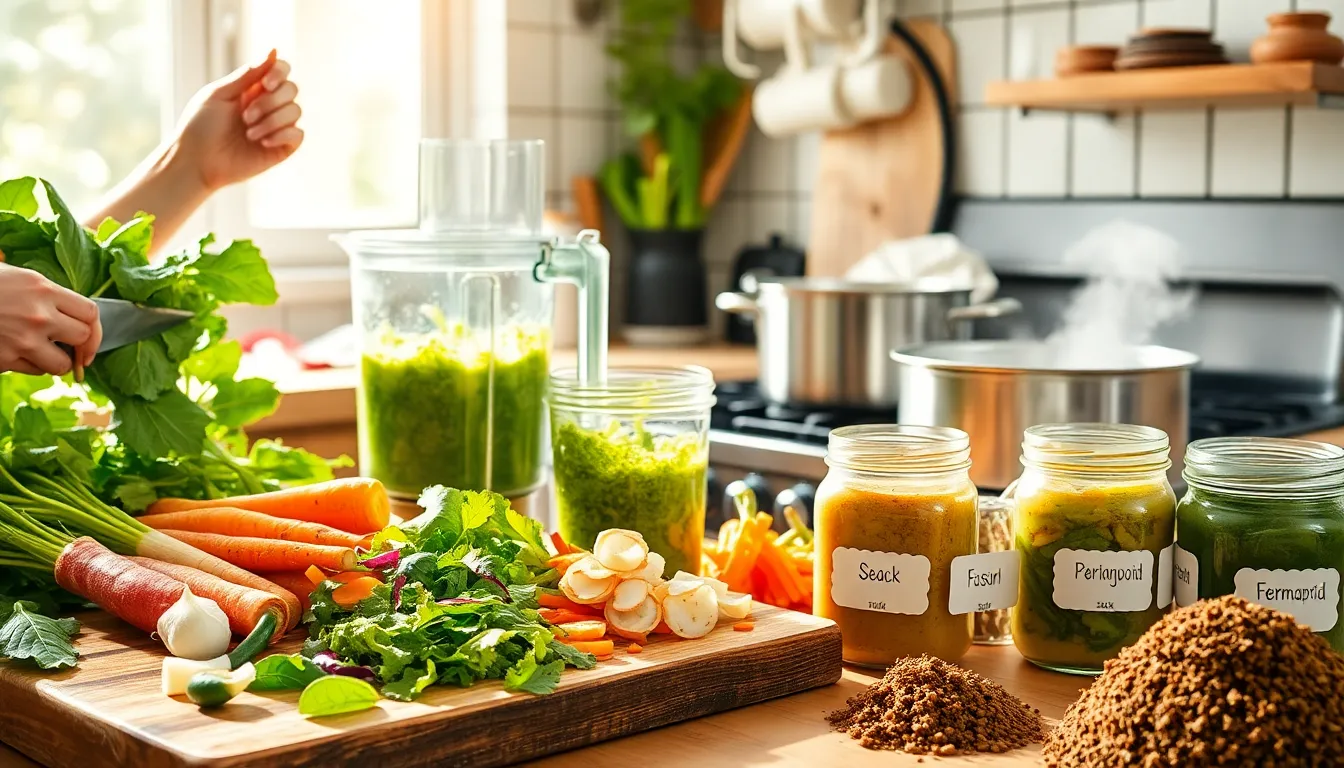
5 Smart Ways Your Kitchen Scraps Can Become Culinary Gems
Every year, households generate a significant amount of food waste, much of which consists of perfectly usable vegetable scraps. Instead of relegating these parts to the bin, a wealth of culinary and environmental opportunities awaits. Learning to reduce food waste by using vegetable scraps offers substantial benefits, from preserving vital nutrients to significantly cutting down on grocery expenses. This approach not only champions cost-effectiveness but also maximizes the nutritional value extracted from your produce.
Repurposing common vegetable offcuts into valuable ingredients or soil amendments is simpler than many people imagine. By adopting a few practical methods, you can transform what was once considered waste into culinary delights or enrich your garden, all while making a tangible impact on household waste reduction. Each technique focuses on capturing flavor, nutrients, and utility that would otherwise be lost.
1. Elevate Meals with Vibrant Pestos and Dips
Many vegetable tops and leafy greens, often discarded, are packed with flavor and nutrients, making them ideal candidates for vibrant pestos and dips. Think about the leafy tops of carrots, radishes, beets, or even broccoli stems, which can be blanched and blended. These parts offer a unique, fresh taste that can complement pasta, sandwiches, or serve as a healthy snack accompaniment.
To create a simple pesto, combine well-washed green scraps with garlic, nuts (like walnuts or pine nuts), a hard cheese (optional), olive oil, and a squeeze of lemon juice in a food processor. This method allows you to easily repurpose 15-20% of edible plant material that might otherwise be overlooked. Not only does it add a fresh, herbaceous kick to your dishes, but it also ensures nutrient preservation, preventing these valuable components from ending up in the compost bin before their time.
2. Craft Rich, Nutritious Broths and Stocks
One of the most classic and satisfying ways to reduce food waste by using vegetable scraps is to transform them into deeply flavorful broths and stocks. Nearly all vegetable trimmings, from onion skins and ends, carrot peels, celery butts, garlic cloves, mushroom stems, and even woody herb stems, contribute to a complex, aromatic liquid base for soups, stews, risottos, and sauces. Simply collect these scraps in a freezer bag until you have a sufficient quantity.
When ready, simmer the frozen scraps in a large pot with water, bay leaves, peppercorns, and any other desired aromatics for several hours. This process extracts maximum flavor and nutrients, creating a homemade stock that is far superior and more cost-effective than store-bought versions. Making your own broth is an excellent example of how simple kitchen habits can significantly reduce waste and enhance the flavor profile of countless meals, turning humble scraps into a culinary cornerstone.
3. Create Flavorful Dehydrated Vegetable Powders
Transforming vegetable scraps into dehydrated powders is an ingenious way to preserve their essence and add concentrated flavor to dishes year-round. This method is particularly effective for onion skins, garlic peels, carrot peels, bell pepper tops, and even tough greens like kale stems. Once thoroughly dried, these scraps can be ground into fine powders that act as natural, potent seasonings for rubs, spice blends, soups, or even as a stealthy nutrient boost in smoothies.
For best results, spread clean, dry scraps thinly on baking sheets or dehydrator trays. Dehydrate them at a low temperature until they are completely brittle. The critical factor for long-term storage and intense flavor is ensuring their moisture content is below 10% before grinding. This low moisture level prevents spoilage and locks in their aromatic compounds. Dehydrated powders are an efficient way to save space, extend shelf life, and add umami depth to your cooking.
4. Embrace Fermentation for Extended Edibility
Fermentation is an ancient preservation technique that revitalizes vegetable scraps, turning them into probiotic-rich condiments and ingredients that taste fantastic and boast extended shelf lives. Bits of cabbage core, carrot peels, beet stems, and even cucumber ends can be transformed into delicious pickles or kimchi-style ferments. This process not only preserves nutrients but often enhances them, creating new beneficial compounds.
To ferment scraps, submerge them in a brine solution (typically salt and water) with optional spices, then allow beneficial bacteria to work their magic in a cool, dark place for a few days to several weeks. This method dramatically extends edibility by several weeks to months, providing a tangy, savory, or spicy crunch to meals. Fermented scraps are a fantastic way to add complex flavors and support gut health, making them true culinary gems that actively help support a healthy lifestyle while tackling food waste.
5. Enrich Your Garden with Composted Scraps
While some vegetable scraps are culinary gold, others are best returned to the earth to nourish future growth. Composting is an essential method to reduce food waste by using vegetable scraps that are not suitable for consumption, such as tough outer layers, spoiled bits, or items unsuitable for the methods above. This sustainable practice transforms organic matter into nutrient-rich soil amendment, closing the loop on kitchen waste.
Setting up a compost bin, whether indoors with a vermicomposter or outdoors, is a straightforward way to manage organic waste. Bits like banana peels, coffee grounds, eggshells, and most non-oily fruit and vegetable scraps can be added. Through decomposition, these scraps become valuable humus that improves soil structure, water retention, and provides essential nutrients for plants. Composting can effectively divert 15-20% of an average household’s food waste from landfills, significantly reducing environmental impact and enriching your garden for a more thriving home environment.

Cut Household Food Waste by 10-20% with These Kitchen Essentials
Household food waste remains a significant global challenge, impacting both our finances and the environment. Studies indicate that a remarkable 72% of consumers are concerned about food waste within their homes. Despite this widespread concern, a contrasting statistic reveals that only 42% feel knowledgeable about effective strategies to reduce it. This knowledge gap prevents many from taking impactful action. Fortunately, incorporating a few key kitchen tools, combined with improved consumer awareness, can help households achieve a substantial 10-20% reduction in household food waste, creating tangible results and fostering more sustainable practices.
Empowering your kitchen with the right essentials transforms how you view and manage food scraps. These practical tools make the process of repurposing and managing vegetable scraps not only easier but also more intuitive. The shift in mindset is crucial; instead of seeing discarded peels and stems as waste, we begin to recognize them as valuable resources. Utilizing these tools allows us to actively reduce food waste by using vegetable scraps in creative and beneficial ways.
Essential Tools for Scrap Utilization
One of the simplest yet most effective tools is a dedicated vegetable scraps container. This small, often lidded bin sits conveniently on your countertop or beneath your sink. It encourages mindful collection of items like onion peels, carrot tops, celery ends, and herb stems throughout the day. This focused collection prevents these items from being immediately discarded, setting them aside for future use.
A designated container streamlines the process of making homemade broths or stocks, which are excellent ways to extract maximum flavor and nutrients from what would otherwise be thrown away. You can also store these scraps in the freezer until you have enough to make a large batch. This simple habit is the foundational step towards actively reduce food waste by using vegetable scraps on a daily basis, contributing to a more resourceful kitchen.
Dehydrators: Preserving and Repurposing
Food dehydrators offer an excellent solution for preserving vegetable scraps and transforming them into versatile ingredients. These appliances work by gently removing moisture from food, inhibiting spoilage. They are perfectly suited for drying a wide array of vegetable scraps, turning them into long-lasting powders or crispy additions.
For optimal drying, vegetable scraps typically dehydrate efficiently within a temperature range of 115°F to 140°F. This process can convert items like mushroom stems, tomato skins, or corn cobs into flavorful powders. These powders can then be used to enhance soups, stews, or sauces. Leafy green stems, such as those from kale or chard, can be dried and crumbled for seasoning or even rehydrated for other dishes. A dehydrator directly aids efforts to reduce food waste by using vegetable scraps by extending their utility and transforming them into new culinary components.
Countertop Composters: Modern Waste Management
For scraps that aren’t suitable for culinary reuse, countertop composters provide an invaluable solution. These modern appliances, often electric, accelerate the decomposition process of food waste. They are particularly beneficial for households without access to outdoor composting bins or those seeking a faster, more contained method of waste reduction.
These innovative devices can achieve an impressive 90% volume reduction of food waste, significantly diverting organic matter from landfills. The output is typically a nutrient-rich soil amendment that can be used for houseplants or gardens. Compared to traditional composting, countertop units are faster, minimize odors, and can often process a wider variety of food scraps, making them an ideal tool for comprehensive household waste management.
The Crucial Role of Awareness and Education
While kitchen tools are powerful enablers, their full potential is unlocked only when paired with knowledge and a commitment to change. The gap between consumer concern (72%) and knowledge (42%) regarding food waste reduction highlights a critical need for accessible education. Providing practical guidance on how to use these tools and offering creative ideas for scrap utilization can bridge this disparity.
Educating consumers about the benefits of repurposing scraps extends beyond individual kitchens. It contributes to a broader understanding of resourcefulness and environmental stewardship. Simple tips, such as freezing vegetable ends for broth or dehydrating herb stems for seasoning, can be shared widely. Learning to integrate these practices can lead to a more sustainable household and a richer thriving family life.
Consistent efforts and small, informed changes in kitchen habits, supported by these practical tools and accessible information, demonstrably lead to significant reductions in household food waste. These collective actions empower individuals to make tangible differences. Embracing these strategies can be part of a larger wellness adventure within your home, promoting health and sustainability.
Ultimately, reducing food waste by using vegetable scraps is more than just an environmental initiative. It fosters culinary creativity, encourages resourcefulness, and contributes to a more sustainable and economically sound household. By adopting these tools and embracing informed practices, every kitchen can play a vital role in tackling the larger issue of food waste.
Featured image generated using Flux AI
Source
Food and Agriculture Organization of the United Nations (FAO) – “The State of Food and Agriculture (SOFA)” and “Global food losses and food waste – Extent, causes and prevention”
U.S. Environmental Protection Agency (EPA) – “Advancing Sustainable Materials Management: 2018 Fact Sheet”
Waste & Resources Action Programme (WRAP) – “Food Waste in the UK: Key Data”
United Nations Environment Programme (UNEP) – “Food Waste Index Report 2021”
Project Drawdown – “Reduced Food Waste”
ReFED & Food Waste Reduction Alliance – “Consumer Attitudes Toward Food Waste” (2020 Survey)
Future Market Insights – “Upcycled Food Market Outlook” (various reports)
U.S. Department of Agriculture (USDA) – “Food Waste Estimates”