
Courtney Adamo’s New Book Reveals Tips From Family Homes, offering a meticulously researched and deeply personal guide to crafting functional and harmonious living spaces for families. Drawing on 20 years of parenting five children and insights from 24 diverse family homes, the book provides adaptable, real-world solutions for common design dilemmas.
Key Implications:
- Practical Home Design: The book equips families with adaptable strategies to achieve a harmonious balance between stylish aesthetics and robust functionality, ensuring living spaces evolve effectively with a family’s changing needs.
- Comprehensive Guidance: Derived from 20 years of personal parenting experience and studies of 24 diverse family homes globally, the book provides data-driven, real-world solutions for universal design challenges from clutter management to optimizing shared bedrooms.
- Nurturing Environments: It offers actionable advice for cultivating spaces that encourage children’s imagination and independence while strengthening family bonds through intentional design of communal and personal areas.
Data & Evidence
The upcoming book, “The Family Home,” authored by Courtney and Michael Adamo, presents a meticulously researched and deeply personal guide to creating functional and harmonious living spaces for families. Its content is underpinned by a compelling blend of extensive personal experience and a broad scope of empirical observation, setting a new standard for practical home organization and design advice. The foundation of this insightful work is built upon the authors’ own journey, bringing over 20 years of parenting five children to the fore. This wealth of firsthand knowledge ensures that every piece of advice offered is grounded in the realities of daily family life, addressing genuine challenges with tried-and-tested solutions. The book, “The Family Home,” was made available to the public by September 16, 2025, marking its timely arrival for families seeking practical, actionable improvements to their living environments.
A Foundation of Experience and Diverse Research
Beyond their significant personal contributions, the Adamos enriched “The Family Home” by undertaking a comprehensive research initiative. They gathered insights and solutions from a study of 24 distinct family homes, offering a wide-ranging perspective on various domestic setups and challenges. This expansive research scope ensures that the advice is not confined to a single family’s experience or a specific architectural style. Instead, it offers adaptable strategies that resonate with a diverse readership, making the solutions broadly applicable. The geographic diversity of these featured homes further strengthens the book’s universal appeal, with locations including the vibrant coastlines of NSW and Byron Bay, the urban sophistication of London, and the relaxed elegance of California. This global lens highlights that many family living dilemmas are universal, regardless of location or home size, fostering a sense of shared experience among readers.
Addressing Common Family Design Dilemmas with Practical Solutions
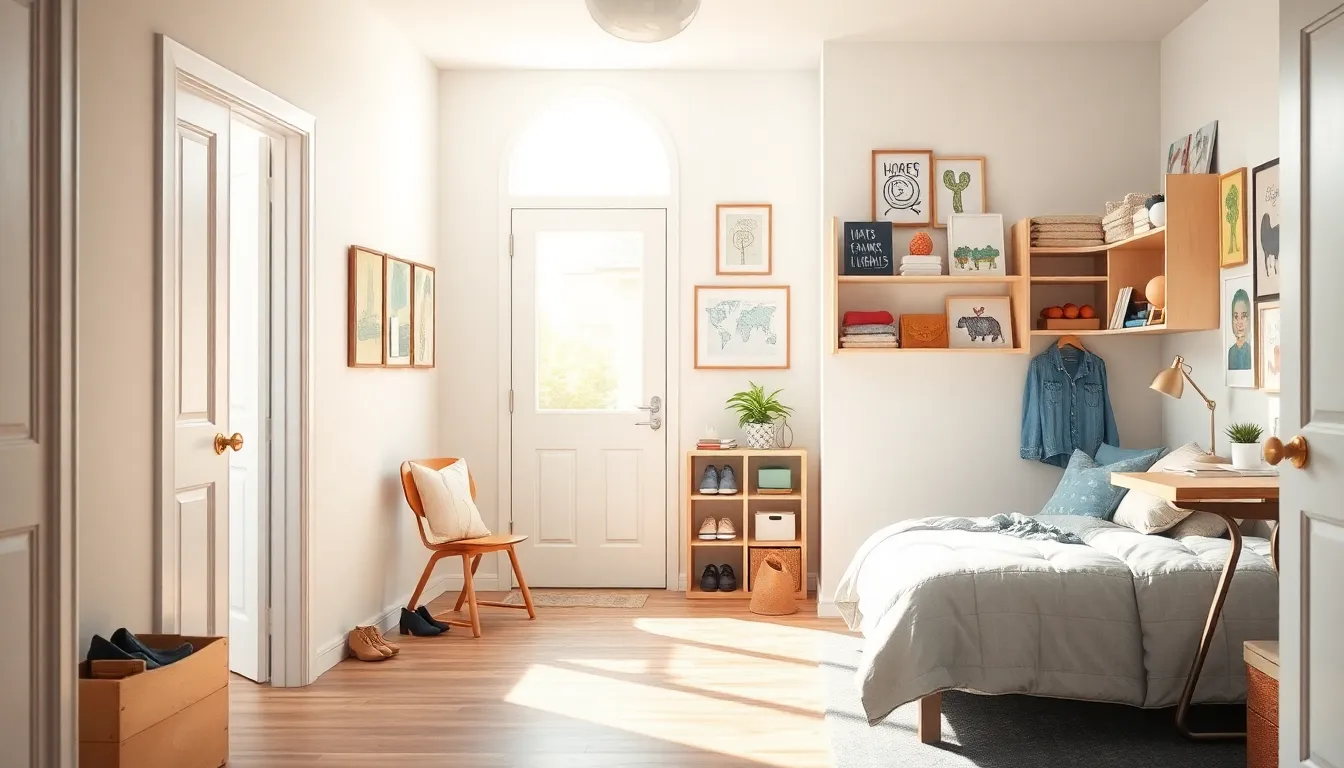
“The Family Home” systematically tackles specific design dilemmas that frequently plague family households, providing actionable strategies derived from real-world examples. One such common issue is the ubiquitous problem of avoiding shoe piles by the door. The book offers innovative and practical organizational systems designed to manage footwear effectively, transforming chaotic entryways into tidy, welcoming spaces. These solutions focus on creating designated storage that is both accessible for daily use and integrates seamlessly into the home’s aesthetic, preventing clutter before it starts. For more insights on optimizing living spaces, exploring the differences between family rooms and living rooms can provide additional context for functional design choices.
Another significant area of focus is the meaningful display of children’s artwork. While parents cherish their children’s creative expressions, managing a constant influx of drawings and crafts can often lead to either overlooked treasures or overwhelming clutter. Courtney Adamo’s New Book Reveals Tips From Family Homes offers thoughtful approaches to curate and exhibit these cherished pieces. The book provides inspiration for creating dynamic displays that celebrate children’s creativity without compromising the home’s overall design, ensuring that memories are honored and showcased beautifully.
Optimizing shared bedroom spaces is a critical topic addressed in “The Family Home.” The book provides invaluable guidance for creating harmonious and functional environments where siblings can thrive. It explores intelligent layouts, multi-functional furniture, and clever storage solutions that maximize every square foot, ensuring that each child has their own sense of space and privacy within a shared room. These practical design tips are essential for families navigating the complexities of cohabitation in bedrooms, turning potential areas of conflict into well-organized havens. Additionally, for broader discussions on family dynamics and child-rearing, exploring parenting and family news can offer complementary perspectives on fostering a disciplined and harmonious household.
Finally, the book extensively covers strategies for maximizing the utility of small areas. In homes where space is at a premium, every corner holds potential, and “The Family Home” helps readers unlock it. From transforming compact nooks into functional workstations to integrating clever storage within otherwise ignored spaces, the Adamos showcase how thoughtful design can significantly enhance a home’s efficiency. These solutions are not just about aesthetics but about empowering families to make the most of their living environment, ensuring that even the smallest areas contribute meaningfully to the household’s overall comfort and practicality. This holistic approach ensures that Courtney Adamo’s New Book Reveals Tips From Family Homes offers comprehensive, data-driven advice for a truly integrated family living experience.

Content Focus
Courtney Adamo’s new book reveals insightful tips from family homes, offering a refreshing perspective on creating nurturing domestic environments. This publication draws directly from the Adamos’ extensive personal experience, transforming their journey through various family living arrangements into a rich source of practical guidance. The core of the book addresses the pervasive challenge many parents face: adeptly balancing home aesthetics with practical functionality for growing families. It emphasizes crafting spaces that are not only beautiful but also robust and adaptable enough to support daily family life and children’s development.
The book delves into strategies for ensuring a home remains stylish while simultaneously serving as a dynamic, livable space. It guides readers on how to achieve this delicate equilibrium, providing blueprints for environments that evolve with a family’s changing needs. This personalized approach, informed by the Adamos’ own experiences, lends significant authenticity and applicability to the advice presented throughout the book.
Real-World Inspiration from 24 Unique Family Homes
A significant strength of Courtney Adamo’s new book is its foundation in real-world observation. It showcases twenty-four unique family homes, providing tangible, real-world examples and actionable advice. These diverse residences, each with its own character and challenges, illustrate how different families have successfully navigated the complexities of home design with children in mind. Readers gain invaluable insight into varied cultural contexts, architectural styles, and family dynamics, all contributing to a comprehensive understanding of practical family living.
These case studies are not merely inspirational photographs; they are deeply explored narratives that offer specific solutions to common household dilemmas. From compact city apartments to expansive country dwellings, each home provides a blueprint for adaptable living. The book translates these diverse experiences into concrete, replicable strategies, ensuring that the tips from family homes are accessible and applicable to a broad audience, regardless of their own living situation or style preferences.
One of the most immediate and relatable areas addressed by the book involves strategies for managing clutter effectively and optimizing shared living spaces. Every family with children grapples with the accumulation of toys, art supplies, books, and clothing. The book provides practical, common-sense approaches to decluttering that go beyond simple tidying, promoting sustainable organizational systems. It explores creative storage solutions, from integrated cabinetry to multi-purpose furniture, ensuring that items have a designated place and are easily accessible yet discreetly stored.
Furthermore, the book offers detailed guidance on optimizing shared spaces, such as living rooms, playrooms, and dining areas. It highlights the importance of multi-functional design, where zones are clearly defined within larger rooms to accommodate various activities simultaneously. For instance, a living room might feature a cozy reading nook alongside a dedicated play area, all while maintaining an overarching aesthetic. Understanding the distinctions between family rooms and living rooms can be crucial for effective design, as discussed in detail designer styling tips for shared spaces. This focus ensures that shared areas promote interaction and comfort for everyone without feeling chaotic or overcrowded.
Cultivating Environments for Growth and Unity
Beyond practical organization, the book also focuses on the profound impact of home design on development, specifically fostering environments that actively promote imagination, independence, and strong family unity. For imagination, the book encourages incorporating elements that spark creativity, such as accessible art stations, open-ended play zones, and spaces that invite storytelling. These environments are not rigidly structured but rather adaptable, allowing children’s creativity to flourish organically.
Regarding independence, the book advocates for child-friendly design principles. This includes ensuring items are within a child’s reach, creating designated areas for their belongings, and designing bathrooms and kitchens that encourage self-sufficiency. Empowering children to manage their own spaces instills a sense of responsibility and capability. Finally, for family unity, the book emphasizes creating comfortable gathering spots, optimizing communal areas for shared experiences, and designing spaces that facilitate open communication and connection. These practical tips from family homes are designed to strengthen family bonds, creating a supportive ecosystem where every member feels valued and understood. For further insights on positive parenting and fostering family unity, exploring resources on parenting and family news can offer valuable complementary perspectives.
Featured image generated using Flux AI
The Design Files: “COURTNEY ADAMO’S NEW BOOK SHARES SECRETS TO CREATING A HAPPY FAMILY HOME”