
Understanding The Difference Between a Family Room and Living Room—Plus, Designer Tips for Styling Them reveals a significant shift in modern home design, prioritizing dynamic daily use over formal presentations. Contemporary architecture increasingly positions the family room as the home’s functional core, while the living room evolves into a space for elevated aesthetics and less frequent, specialized use.
Key Implications:
- Evolving Home Prioritization: Modern residential design overwhelmingly prioritizes family rooms as the central, high-usage hub for daily life, reflecting a fundamental shift towards casual comfort and consistent interaction over formal presentations.
- Tailored Design Strategies: Effective home design now necessitates distinct material and layout choices, with family rooms demanding durable fabrics and flexible, comfort-centric furniture for high traffic, while living rooms allow for delicate materials, sculptural pieces, and structured arrangements that emphasize sophistication and visual appeal.
- Reflection of Modern Lifestyles: The diminished role of the formal living room and the dominance of the family room underscore a societal move away from rigid formality, aligning with current preferences for interconnected, practical, and multi-functional spaces that support informal, comfortable daily living.
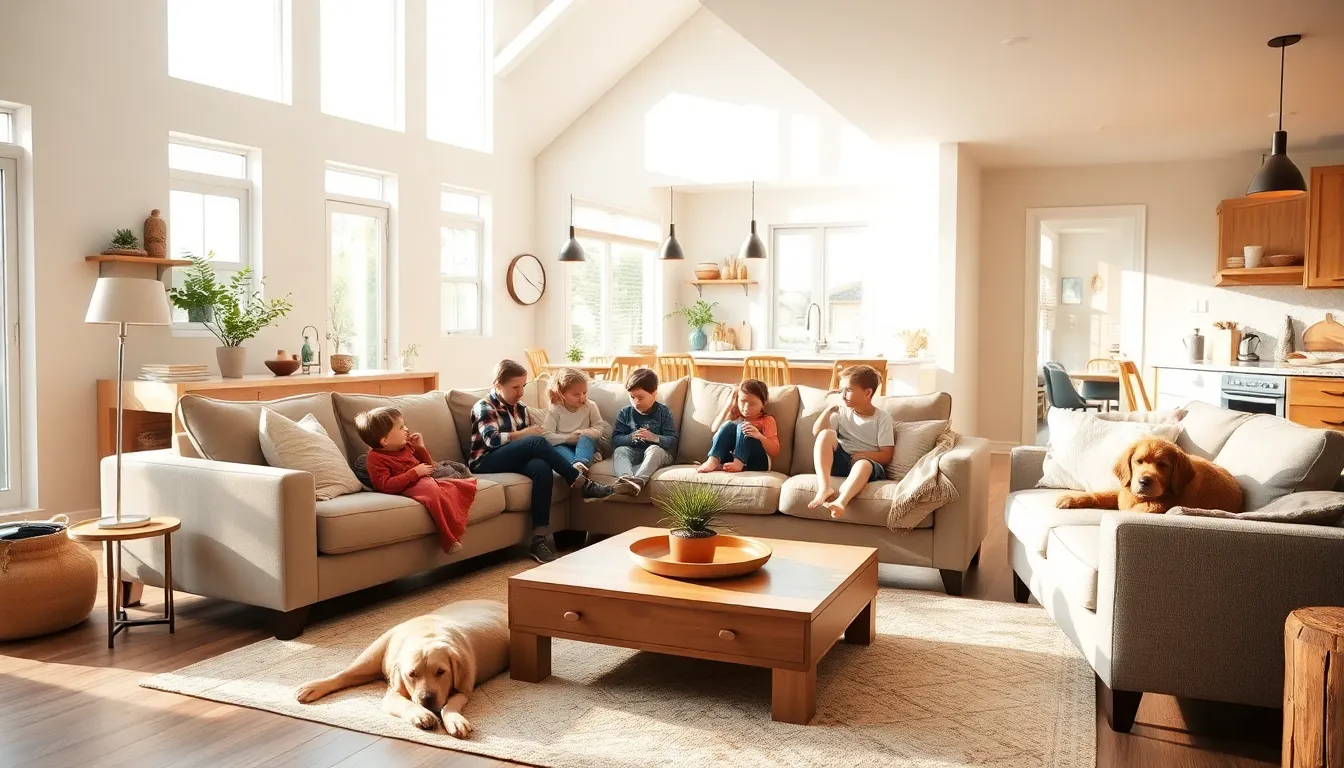
New Home Designs Prioritize Family Rooms for Double Daily Use
Modern residential design is undergoing a significant transformation, with a clear shift towards prioritizing functional, high-usage communal spaces. This evolution increasingly positions family rooms as the central hub of a home, reflecting their role as the primary gathering area for daily life. In contrast, the traditionally formal living room is seeing a diminished role, often becoming a less frequently utilized space. This trend highlights a fundamental change in how families envision and interact within their homes, emphasizing comfort and consistent interaction over formal presentations.
Evidence from leading interior designers underscores this shift. Interior designer Amy Peltier, for example, consistently incorporates a family room in 100% of her new home designs. This statistic alone powerfully illustrates the essential and indispensable role of family rooms in contemporary residential layouts. Such a strong endorsement from a design professional suggests that the family room is no longer an optional addition but a foundational element of modern home architecture.
Furthermore, the utilization patterns within these spaces provide crucial insights. Designer Amy Peltier highlights a specific metric: family rooms are expected to receive “double the use” compared to living rooms. This quantitative difference firmly establishes the family room as the household’s main daily gathering area. It is the space where families unwind, socialize, and engage in everyday activities, reinforcing its status as the heartbeat of the home. This stark contrast in usage underscores the evolving needs and preferences of modern homeowners, who seek practical and accessible comfort.
The Defining Distinction: Formality and Function
The core of understanding the shifting landscape of home design lies in recognizing the defining distinction between living rooms and family rooms. This difference primarily revolves around their inherent formality, typical placement within a home, and the frequency with which they are utilized. Each space serves a distinct purpose, though one is increasingly dominating the other in modern construction.
Living rooms, often situated at the front of a house, have traditionally served a more formal, less active purpose. These spaces were historically designed for receiving guests, holding polite conversations, or displaying fine furnishings. Consequently, they often remained pristine and largely unused on a daily basis. This concept of a formal, often untouched, living area is now increasingly absent in new construction, reflecting a broader societal move away from rigid formality in domestic settings.
In stark contrast, family rooms are inherently casual spaces, typically positioned directly off the kitchen. This strategic placement ensures seamless integration with the home’s most active area, fostering an environment conducive to consistent daily interaction. Whether it’s for homework, casual dining, playing games, or simply relaxing, the family room is designed to accommodate the dynamic rhythm of family life. Its proximity to the kitchen often makes it the natural destination after meals or during cooking, further cementing its role as the central communal zone.
The Evolution of Communal Spaces in Modern Homes
Historically, living rooms were sometimes referred to as “front rooms,” serving as elegant sitting areas reserved for special occasions or formal visitors. They offered a quiet retreat from the everyday hustle and bustle of the rest of the house. However, as lifestyles have evolved and homes have become more open and integrated, the need for such a strictly formal space has diminished. Contemporary living favors interconnectedness and practicality, making the traditional living room feel somewhat superfluous to daily needs.
Today, family rooms are consistently designed as the central hub for relaxation and television viewing for core family members. This space is envisioned as a comfortable, resilient area capable of withstanding the rigors of daily life—children playing, pets lounging, and adults unwinding. Furniture choices, material selections, and overall layout in family rooms prioritize comfort, durability, and functionality. This contrasts sharply with the delicate furnishings and more formal arrangements often found in traditional living rooms.
The embrace of the family room as the primary living area is not merely a design trend; it reflects a deeper understanding of modern family dynamics. Homes are now being built to support a more informal, connected lifestyle where open layouts and multi-functional spaces are key. This means creating areas that are not just visually appealing but also highly practical and inviting for constant use. The long-term implications for residential architecture point towards a future where the family room’s dominance continues to grow, adapting to the evolving ways families choose to live and interact within their personal sanctuaries.
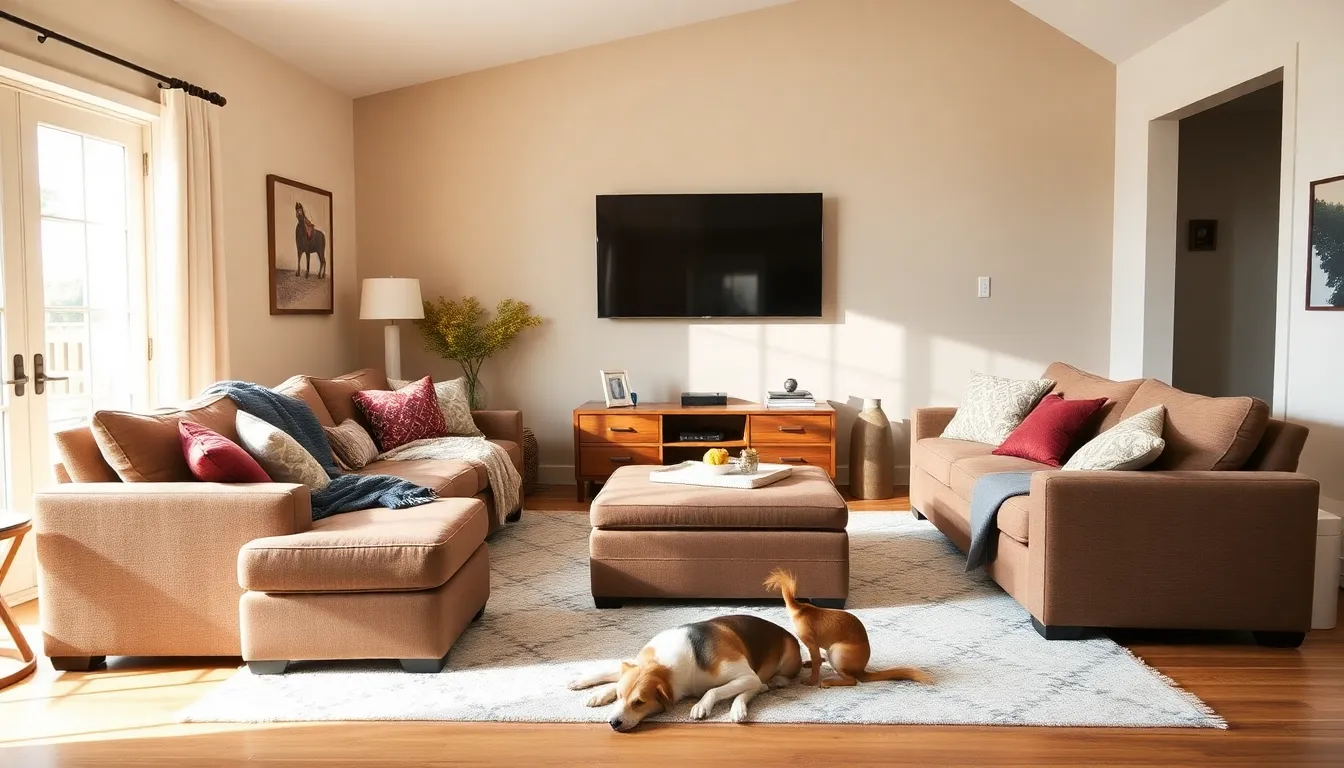
Optimizing High-Traffic Family Rooms for Durability and Comfort
Family rooms stand as the heart of many homes. They serve as dynamic hubs for daily activities, relaxation, and entertainment. Unlike more formal spaces, these rooms are intentionally designed for maximum comfort and durability. This prioritizes resilient fabrics and flexible seating. These arrangements must withstand intensive daily use by family members. Interior designer Amy Peltier highlights this intensity. She notes that family rooms often receive “double the use” compared to living rooms (Amy Peltier). This signifies their role as a high-intensity daily interaction area.
Navigating the nuances of home design often involves understanding the fundamental difference between a family room and living room. This distinction is paramount. It ensures designer tips for styling them meet specific functional needs. The intensive usage of family rooms demands strategic design choices. These choices blend aesthetic appeal with practical resilience. Given their status as a high-traffic, daily-use space, design strategies inherently focus on maximizing comfort. They also select highly durable materials. These materials must be capable of withstanding significant wear and tear over time.
Designing for Unrivaled Comfort and Daily Engagement
In the post-pandemic era, clients increasingly prioritize comfort within their homes. This trend significantly influences family room design. This shift is evident in the popularity of design features like deep sofas. Such sofas invite prolonged lounging and foster a cozy, relaxed atmosphere. Designers frequently recommend incorporating elements. These include swivels and generously proportioned deep sofas. These features further enhance comfort and coziness.
Flexible seating arrangements are paramount in these spaces. Sectionals with chaise lounges, oversized ottomans, and comfortable armchairs can be configured flexibly. Ottomans can even double as extra seating or footrests. Whether for a bustling game night or a quiet afternoon of reading, the furniture should adapt effortlessly. It must suit the family’s changing needs. This supports all forms of daily engagement.
A key functional aspect of the family room is its role as a primary entertainment and relaxation area. This applies to all household members. Reflecting this, the arrangement of furniture in a family room is thoughtfully designed to center around a television. This deliberate setup facilitates shared viewing experiences. These range from movie nights to casual TV watching. This makes it a pivotal consideration for clients spending more time at home.
Selecting Highly Durable Materials for Lasting Appeal
The relentless demands of daily family life necessitate specific material choices. Spills, pets, children, and constant movement are common. These choices must offer exceptional durability and ease of maintenance. When considering designer tips for styling these active spaces, prioritizing resilient materials is non-negotiable. Durable fabrics, including advanced options like Crypton or versatile indoor/outdoor fabrics, are essential. They ensure stain resistance and promote longevity. This is particularly true in homes with active children or beloved pets.
Crypton fabrics, for instance, are engineered with integrated stain, moisture, and odor resistance. This makes them incredibly practical for family rooms. They maintain their aesthetic quality. This occurs even after numerous spills and vigorous cleaning. Similarly, indoor/outdoor fabrics, once primarily confined to patios, now offer sophisticated designs and textures suitable for interiors. These provide excellent fade and moisture resistance.
While specific figures are not always quantified for material impact on longevity. Nor are comparative lifespans of durable fabrics. However, anecdotal evidence and designer recommendations strongly support their use. These materials offer peace of mind. They allow families to live comfortably in their space. This is without constant worry over potential damage. Investing in high-quality, robust materials means fewer replacements. It also provides a more sustainable, long-term solution for a well-used space.
Beyond fabrics, the construction of furniture itself contributes to durability. Opt for solid wood frames, reinforced joints, and high-density foam cushions. These retain their shape and support over time. These structural elements, combined with performance fabrics, create a resilient foundation. This foundation is for a room designed to endure. Thoughtful selection of materials and construction ensures a family room remains both beautiful and functional for years to come. This effectively addresses the specific challenges of styling high-use family rooms.
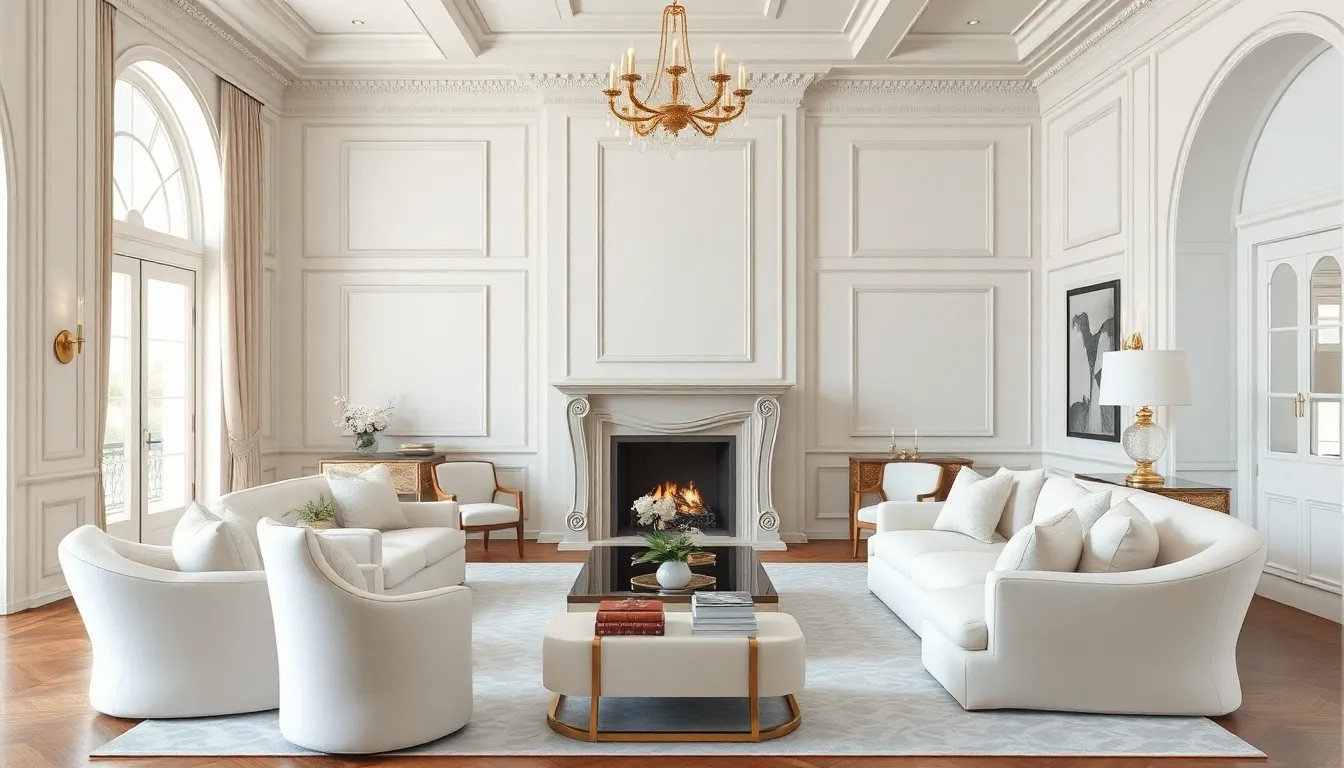
Formal Design Choices for Elevated, Less Frequently Used Living Rooms
A living room holds a unique position within a home, often set apart as a space dedicated to elevated aesthetics and sophisticated selections rather than the casual, everyday hustle of family life. Its design prioritizes sophistication, utilizing refined furniture and delicate fabrics to cultivate a distinctly formal ambiance. Interior designers consistently note that living rooms are “not as heavily used” compared to their bustling family room counterparts. This crucial distinction provides a liberating foundation for design choices, permitting the integration of more delicate materials and intricate arrangements. Understanding the difference between a family room and living room begins with acknowledging this fundamental divergence in purpose and expected usage. This insight allows for a focus on creating a curated, special, and enduringly elegant space.
Prioritizing Ambiance Over Daily Wear
The core philosophy guiding an elegant living room’s design is the intentional creation of a specific ambiance. This space is not engineered for rugged durability; its purpose is to evoke formality, sophistication, and elevated calm. Designers advise viewing the living room as a sanctuary for cultivated conversation, a distinguished reception area, or a quiet retreat. This focus means every selection, from foundational elements to decorative accents, must contribute to an overarching narrative of refinement. Prioritizing aesthetic impact over extreme resilience is a key differentiator, freeing designers to explore a broader spectrum of exquisite textures, luxurious finishes, and compelling forms that might otherwise be considered too fragile for other areas.
The infrequent use of a living room is its strategic advantage. Because the space is shielded from constant foot traffic, potential spills, and general wear and tear, there is considerable latitude for incorporating more delicate materials. This includes sumptuously woven fabrics, finely polished wood veneers, intricate inlay details, or delicate antique pieces. The primary objective is to cultivate a serene, sophisticated, and visually rich environment where comfort and unparalleled visual appeal converge. This approach consciously steps away from the utilitarian emphasis often seen in family rooms, ensuring the living room maintains its pristine, elevated character for many years. It remains a space that feels deliberately chosen and carefully preserved, a true testament to its “more precious” designation.
Sculptural Furniture and Structured Layouts
To unequivocally establish and enhance a living room’s formal character, interior designers frequently advocate for furniture with pronounced sculptural elements. This means intentionally selecting items where the frame, legs, or overall silhouette exhibit distinct artistic qualities, thoughtful craftsmanship, and a compelling visual presence. Moving beyond purely functional forms, living room furniture might feature elegant, sweeping curves, meticulously carved details, unique geometric shapes, or bespoke joinery. These elements elevate seating and tables beyond mere utility, transforming them into statement pieces that command attention and significantly contribute to the room’s sophisticated allure. Imagine a console table with intricately turned legs or an armchair with an artfully exposed wooden frame; such details speak volumes about the room’s elevated status.
The layout of a formal living room is equally paramount. A highly structured and often symmetrical arrangement, typically centered around a dominant focal point such as a grand fireplace or an expansive window, is a hallmark of this design. This often involves positioning primary seating, like two facing sofas, with intentional balance, perhaps flanked by matching armchairs or occasional tables. This creates a deliberate conversational grouping that fosters interaction while maintaining an air of composure and order. A classic arrangement might feature two identical sofas facing each other across a coffee table, with a pair of armchairs completing the grouping. The intentionality of a structured layout powerfully reinforces the room’s distinct purpose, signaling a space designed for composed engagement and deep aesthetic appreciation. This contrasts sharply with the more fluid, adaptable arrangements common in family rooms, which prioritize ease of movement and dynamic activity. Every piece’s thoughtful placement ensures visual harmony and contributes to an environment that feels both grand and meticulously curated.
Delicate Fabrics and Lighter Hues for Elevated Upholstery
The expectation of significantly less strenuous daily use in a living room directly influences the suitability of fabric choices for its main upholstery pieces. For this space, designers frequently champion lighter-colored, or even pristine white, fabrics—selections typically considered impractical for more heavily trafficked areas. However, for a room intentionally designated as “more precious” and utilized with greater mindfulness, these delicate material selections become not only suitable but essential to achieving the desired aesthetic. Fabrics such as fine linen, luxurious silk blends, sumptuous velvet, or crisp, light-colored cotton sateen, inherently more prone to showing spills or wear, find their ideal application within the formal living room. Their luxurious textures, elegant drapes, and clean, bright appearances are instrumental in contributing to the desired elevated and refined aesthetic.
While specific, quantifiable figures regarding comparative lifespan differences for fabrics used in formal living rooms versus other high-use home spaces are not readily available, the unwavering consensus among interior designers robustly supports this strategic choice. The rationale is straightforward: less frequent contact and usage translates directly to less abrasion, a dramatically reduced likelihood of accidental spills, and ultimately, a much longer period during which these more fragile materials can maintain their pristine appearance. This conscious design approach empowers homeowners to fully embrace sophisticated elegance without constant apprehension of immediate material degradation. The visual impact of these light and delicate fabrics transforms the living room into an undeniably bright, airy, and inviting space, powerfully reinforcing the distinction between a family room and living room in terms of both functional demands and aspirational aesthetic goals. This ensures the living room remains a cherished space, always ready to impress.
Featured image generated using Flux AI
Martha Stewart: “The Difference Between a Family Room and Living Room—Plus, Designer Tips for Styling Them”