
Embracing Green Living Tips for a More Sustainable Lifestyle offers a powerful pathway to profound environmental benefits and significant financial savings, proving that small, consistent daily actions can lead to massive global impact. From revolutionizing laundry habits to making smarter home product choices and adopting DIY eco-solutions, individuals can actively contribute to a healthier planet and reduced utility costs.
Key Implications:
- The cumulative impact of simple daily habits significantly reduces energy consumption and waste, leading to substantial financial savings and environmental gains; for example, cold water laundry cycles cut energy by 90%, and switching off lights saves 20% on electricity.
- Adopting intentional, eco-friendly choices, such as installing low-flow fixtures and supporting organic agriculture, yields profound environmental benefits including saving 2,900 gallons of water annually per household and potentially reducing global CO2 emissions by 40% through widespread organic farming.
- Hands-on DIY approaches empower individuals to enhance home energy efficiency and significantly reduce waste, with examples like shading AC units to lower energy use by 10% and making cleaning supplies or composting to minimize landfill contributions.
Achieve 90% Energy Reduction Through Simple Daily Shifts
Adopting simple, consistent daily habits can lead to substantial energy savings, significant waste reduction, and considerable financial benefits. Many individuals are looking for actionable Green Living Tips for a More Sustainable Lifestyle, and the good news is that these powerful changes often start with small, everyday choices. By consciously integrating practices like recycling, reducing consumption, and reusing items into your routine, you directly contribute to a healthier planet and a healthier wallet.
The measurable impact of incorporating “reduce, reuse, recycle” into daily routines is profound. These seemingly minor shifts accumulate into major benefits, highlighting both environmental gains and personal financial advantages. Understanding the direct correlation between our habits and their outcomes empowers us to make more informed choices every day.
Revolutionizing Laundry: Cold Water’s Impact
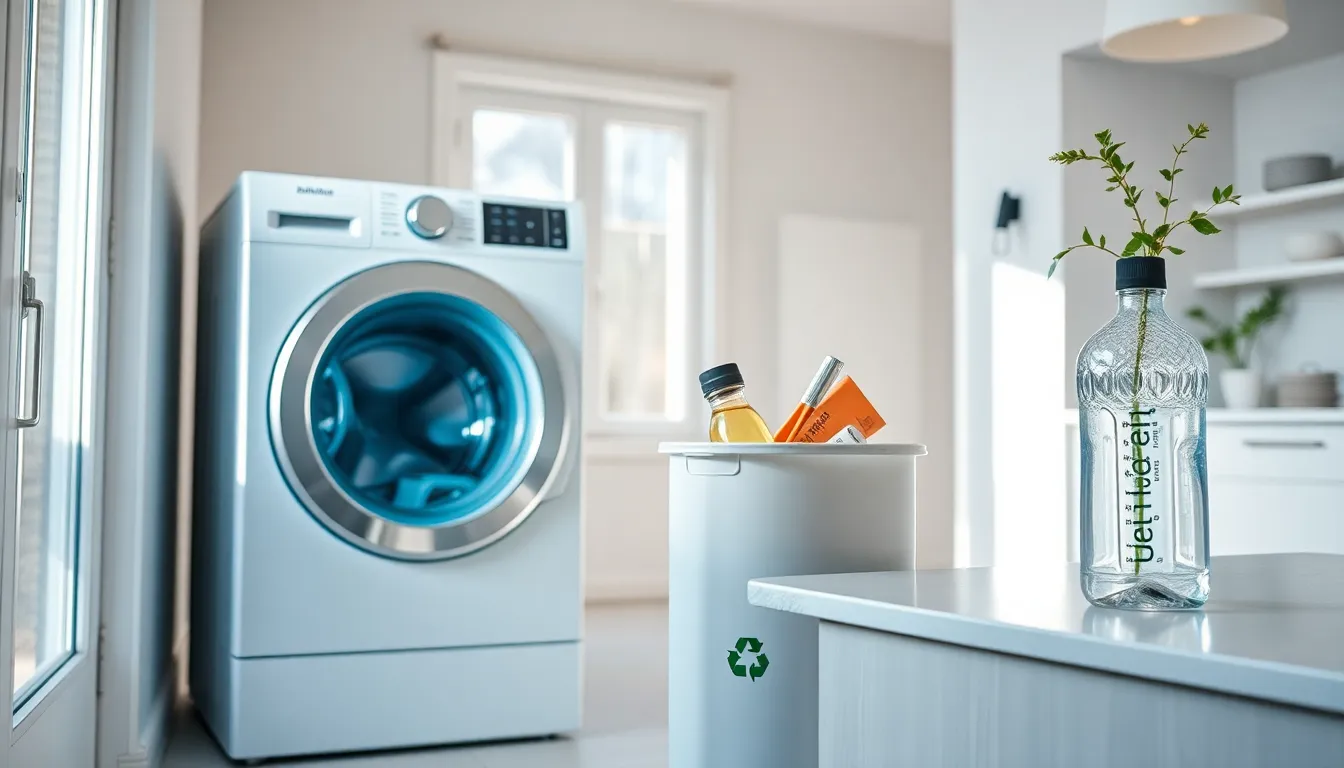
One of the most impactful daily shifts involves how we wash our clothes. Choosing cold water over warm or hot cycles dramatically reduces household energy consumption. Washing clothes in cold water uses approximately 90% less energy compared to warm or hot cycles. This single change makes a substantial difference to your electricity bill and carbon footprint.
The energy saved comes primarily from not needing to heat the water. Most of the energy used by a washing machine is for heating. By eliminating this step, you conserve valuable resources. This simple adjustment does not compromise cleanliness and is one of the easiest Green Living Tips for a More Sustainable Lifestyle to implement.
Smart Choices: Lighting and Hydration Habits
Beyond the laundry room, other simple adjustments yield significant results. Switching off lights when exiting a room is a straightforward action with measurable financial benefits. This habit alone can save 20% on electricity bills over time. It’s a quick, effortless way to reduce energy waste.
Consider your daily hydration choices as well. Investing in a $20 BPA-free reusable water bottle is a smart move for both your finances and the environment. Over five years, using a reusable bottle saves the average American $6,180. Simultaneously, this prevents 217 plastic water bottles per person from reaching landfills annually. These combined efforts reinforce the value of Green Living Tips for a More Sustainable Lifestyle.
The Ripple Effect of Recycling
Recycling is another cornerstone of sustainable living, offering direct energy savings. A single aluminum can, once recycled, saves enough energy to power a TV for up to three hours. This demonstrates the tangible impact of giving materials a second life rather than sending them to a landfill.
While 34.7% of people in the United States recycled in 2015, there is significant room for improvement. Increasing participation in recycling programs further amplifies energy savings and waste reduction efforts. Every item recycled reduces the demand for new raw materials and the energy required to produce them.
Embracing “reduce, reuse, recycle” creates a powerful positive cycle. It contributes to significant waste reduction, conserves natural resources, and lessens pollution from manufacturing new products. These habitual changes offer substantial financial benefits through lower utility bills and reduced everyday expenses. Adopting these easy, consistent daily habits is a practical pathway to a truly impactful and beneficial Green Living Tips for a More Sustainable Lifestyle.

Intentional Choices Yield 2,900 Gallons Water Savings and 40% CO2 Reduction
Making conscious choices in our daily lives offers profound environmental benefits. Intentional shopping, from selecting eco-friendly home products to embracing organic agriculture, presents a powerful way to conserve vast amounts of water. It also significantly reduces our reliance on fossil fuels and decreases global CO2 emissions. These impactful decisions are essential components of Green Living Tips for a More Sustainable Lifestyle. They contribute directly to a healthier, more sustainable future for everyone.
Adopting sustainable practices often begins right in our homes. Simple upgrades to fixtures can lead to substantial resource savings. For example, installing a single low-flow showerhead is an incredibly effective step. This straightforward change alone can save the average US household about 2,900 gallons of water every year. This statistic clearly demonstrates the immediate and tangible impact of thoughtful product selection. Such choices align directly with effective strategies for green living.
Transforming Home Habits for Water Conservation and Efficiency
Low-flow fixtures are central to reducing household water consumption. Beyond highly efficient showerheads, modern low-flow faucets and toilets play a crucial role. These innovations are designed to minimize water use without compromising performance or comfort. Replacing older, inefficient models with WaterSense-certified alternatives makes a significant difference. Over time, these seemingly small individual actions collectively reduce demand on local water supplies and lessen the energy required for water treatment and distribution.
Every drop of water saved contributes to a larger ecological benefit. Beyond plumbing, high-efficiency washing machines and dishwashers also play a critical role. They consume considerably less water and energy per cycle, reducing both utility bills and environmental strain. Prioritizing these eco-friendly options ensures that daily routines align with broader conservation goals. These practical choices are fundamental elements of a truly sustainable lifestyle. They are actionable Green Living Tips for a More Sustainable Lifestyle that homeowners can implement today.
Consider also the materials of everyday home products. Choosing items made from recycled content, sustainably sourced wood, or natural fibers further minimizes environmental impact. Reducing waste through reusable products and diligent recycling complements water and energy savings. These combined efforts create a comprehensive approach to sustainable living within the home environment.
Organic Agriculture: A Global Game Changer for Emissions Reduction
The profound impact of our choices extends far beyond the home. It influences how our food is produced and reaches our tables. Supporting organic agriculture offers a crucial pathway to environmental remediation and climate change mitigation. This method fundamentally shifts reliance away from synthetic inputs. Conventional farming, in contrast, heavily depends on chemical fertilizers, pesticides, and herbicides. These substances are energy-intensive to produce, transport, and apply.
Organic agriculture drastically reduces the need for fossil fuel for crop production. It achieves this by an impressive 70 percent compared to conventional methods. This significant reduction stems from avoiding petroleum-based fertilizers and pesticides entirely. Instead, organic practices prioritize soil health through natural compost, cover cropping, and thoughtful crop rotation. This holistic approach significantly lessens the carbon footprint associated with food production.
Beyond fossil fuel reduction, organic farming plays a vital role in carbon sequestration. Healthy, organically managed soils act as natural carbon sinks. They actively absorb and store atmospheric CO2. Practices like diverse rotations, minimal tillage, and the generous use of compost enhance soil organic matter. This directly increases the soil’s capacity to lock away carbon from the atmosphere, effectively drawing down greenhouse gases.
The potential global impact of widespread organic farming is truly transformative. If adopted worldwide, organic farming could store CO2 by an amount corresponding to a global emission reduction of 40 percent. This staggering figure highlights its immense potential as a leading solution to climate change. Such a transformation would represent a monumental shift in our relationship with the planet, promoting ecological balance and resilience.
Comparing Environmental Footprints: Organic vs. Conventional Agriculture
A direct comparison clearly reveals the distinct environmental advantages of organic farming over conventional methods. Conventional agriculture relies heavily on synthetic nitrogen fertilizers. Their production is incredibly energy-intensive, requiring large quantities of natural gas. This process also releases nitrous oxide, a potent greenhouse gas with a warming potential far greater than CO2. Pesticide manufacturing similarly consumes significant energy and often relies on fossil fuels as raw materials.
In contrast, organic farming practices actively improve soil structure, fertility, and biodiversity. Healthier soils, teeming with microbial life, enhance water retention, reducing irrigation needs and minimizing erosion. The absence of synthetic chemicals also eliminates runoff pollution into waterways, protecting aquatic ecosystems. Furthermore, avoiding harsh pesticides safeguards pollinators and other beneficial insects, supporting healthier and more robust ecosystems overall.
The entire lifecycle of conventional agriculture often involves a larger overall carbon footprint. This includes the energy for manufacturing, transporting, and applying synthetic inputs. Organic systems, by design, drastically reduce these upstream emissions. They also actively contribute to carbon sequestration in the soil, effectively mitigating atmospheric carbon. This makes organic agriculture a powerful tool in the fight against climate change. It fosters a more resilient, environmentally sound, and sustainable food system. These are crucial aspects of implementing effective Green Living Tips for a More Sustainable Lifestyle for global impact.
Embracing these intentional choices offers dual benefits: fostering healthier personal environments and contributing significantly to a healthier global ecosystem. Every decision, from installing a low-flow showerhead to choosing organic produce, adds up. Together, these individual and collective actions drive substantial positive change for our planet, paving the way for a truly sustainable future.
Shade Placement Lowers AC Energy by 10% Alongside DIY Waste Reduction
Embracing do-it-yourself (DIY) methods for home projects provides practical, hands-on opportunities to reduce energy consumption significantly. These actions also minimize household waste and collectively enhance the overall health of the living environment. This approach aligns perfectly with effective Green Living Tips for a More Sustainable Lifestyle, offering tangible benefits for both your home and the planet. By taking control of small changes, individuals can make a considerable impact.
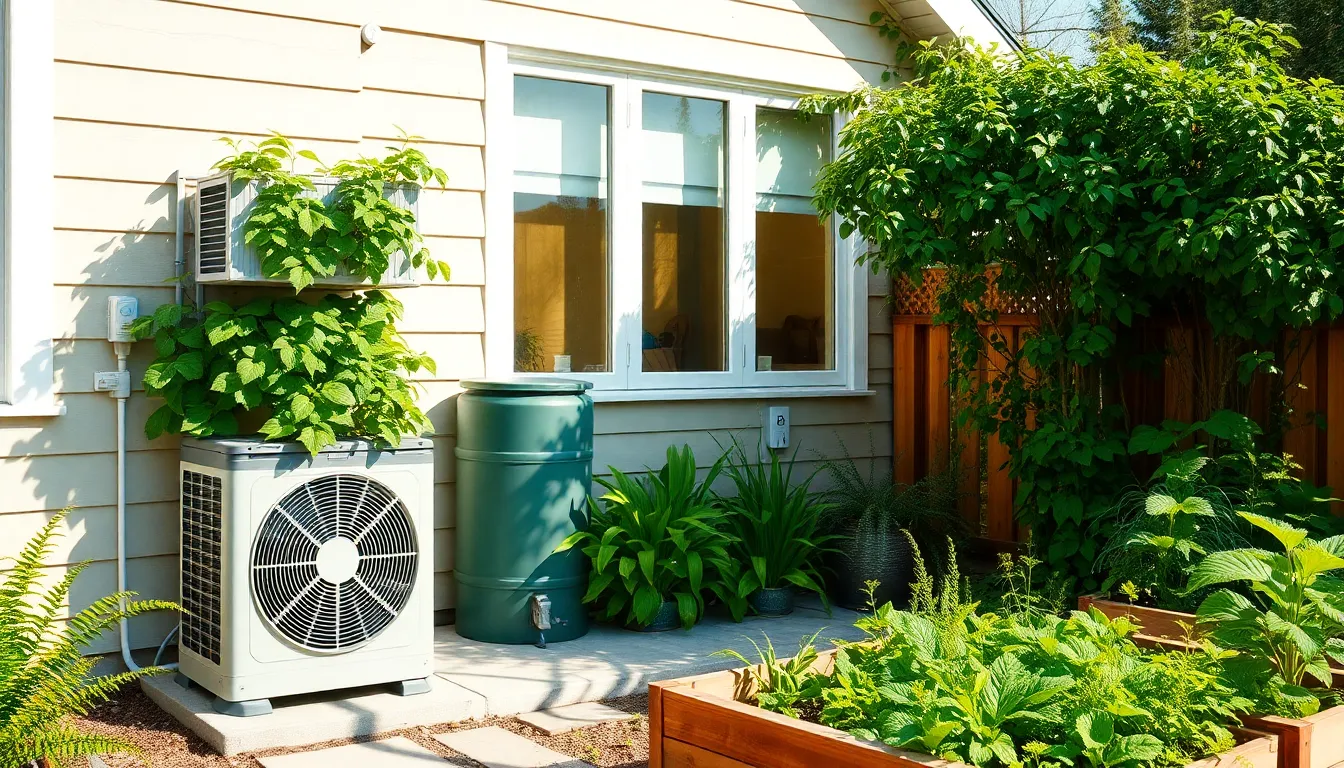
A prime example of immediate energy savings involves strategic placement around air conditioning units. Research indicates that air conditioning units positioned in the shade use 10% less energy to operate compared to those in direct sunlight. This simple yet effective measure highlights the power of mindful home management in reducing utility bills. Shading prevents direct solar radiation from increasing the unit’s operating temperature, allowing it to cool more efficiently.
Enhancing Energy Efficiency Through DIY Solutions
Shading your AC unit can be achieved through various DIY projects. Planting deciduous trees or shrubs on the sunny side of your home provides natural shade during summer months, then allows sunlight through in winter. Installing awnings or building a small trellis with climbing plants around the outdoor compressor unit can also create necessary shade. These methods improve efficiency and reduce the strain on your cooling system.
Beyond AC unit shading, sealing air leaks stands as another crucial DIY strategy for energy efficiency. Small cracks and gaps around windows, doors, and foundations allow conditioned air to escape and unconditioned air to enter. This forces heating and cooling systems to work harder, consuming more energy unnecessarily. Identifying these leaks is the first step towards significant savings.
Effective air sealing involves using simple materials like weatherstripping for doors and windows, and caulk for smaller cracks and gaps in walls or around pipes. Adding insulation to attics, basements, and crawl spaces further prevents heat transfer, maintaining a consistent indoor temperature. These accessible home improvements lead to a noticeable reduction in energy bills, showcasing practical Green Living Tips for a More Sustainable Lifestyle.
Practical DIY Methods for Significant Waste Reduction
Transitioning to waste reduction, making your own cleaning supplies offers substantial benefits. Commercial cleaners often come in single-use plastic bottles and contain harsh chemicals that pollute waterways and impact indoor air quality. DIY cleaning solutions typically use common, non-toxic ingredients like vinegar, baking soda, and essential oils. This significantly cuts down on plastic waste and chemical exposure, creating a healthier home.
Starting a compost pile is an excellent method for diverting organic waste from landfills. Food scraps, yard waste, and other biodegradable materials can be transformed into nutrient-rich soil amendment. Composting enriches garden soil, reduces the need for chemical fertilizers, and lessens methane emissions from landfills. Simple backyard bins or indoor worm composters make this an accessible project for most households.
Growing your own vegetables is another powerful DIY step towards waste reduction and a healthier lifestyle. Homegrown produce eliminates packaging waste, reduces “food miles” (the distance food travels from farm to plate), and ensures fresh, pesticide-free ingredients. Even a small container garden with herbs or leafy greens can provide a steady supply of fresh produce. This directly supports sustainable eating habits.
Finally, making rain barrels is an innovative way to conserve water and minimize waste. Collecting rainwater from your roof provides a free, natural source of water for gardening, reducing reliance on treated tap water. This practice lowers water bills, decreases stormwater runoff into local sewers, and offers a sustainable irrigation solution. It’s a prime example of leveraging natural resources for home utility.
The Integrated Impact: Combining Efficiency and Minimization
The beauty of embracing these hands-on, DIY approaches lies in their synergistic impact on both energy efficiency and waste minimization. Each project, whether shading your AC unit or growing vegetables, contributes to multiple facets of sustainable living. For instance, reducing packaging by growing your own food also lessens the energy expended in manufacturing, transporting, and refrigerating packaged goods. These interconnected efforts strengthen the overall commitment to Green Living Tips for a More Sustainable Lifestyle.
Moreover, making your own cleaning supplies reduces plastic waste and eliminates the energy used in the production and transport of those commercial products. This dual benefit underscores how conscious consumer choices and DIY actions create a ripple effect across environmental parameters. Engaging in these projects fosters a greater understanding of resource consumption and encourages more mindful habits.
Ultimately, hands-on approaches empower individuals to take direct action against climate change and environmental degradation. By embracing DIY methods, households become active participants in creating a more sustainable future. These practical steps not only lead to personal savings and a healthier home but also set an example for community-wide adoption of responsible environmental practices, solidifying comprehensive Green Living Tips for a More Sustainable Lifestyle.
Featured image generated using Flux AI
- United States EPA: Infographic: Reduce, Reuse, Recycle
- Recycle Nation: (cited via EPA infographic for aluminum can energy saving)
- CooperativeEnergy.coop: (cited for light-switching savings)
- Cleaning Institute.org: (cited for cold water laundry energy savings)
- Mathematics For Sustainability: (cited for reusable water bottle savings and plastic bottle reduction)
- HGTV: Low-Flow Shower Head Benefits
- The World Counts: Organic Food Statistics
- DIY Network: (cited for AC unit shade energy savings)