
They’re a scam: Experts counter the detox wellness trend as medical professionals increasingly speak out against the multi-billion dollar industry that promotes cleanses and programs lacking scientific foundation. Despite persuasive marketing claims about removing toxins and transforming health, these commercial detox products provide no additional benefits beyond what the body’s sophisticated natural systems—primarily the liver and kidneys—already accomplish efficiently.
Key Implications:
- Healthcare professionals criticize detox programs for their vague definitions of “toxins,” lack of peer-reviewed research, and potentially dangerous nutrient restrictions while charging high costs for minimal proven benefits.
- Scientific evidence consistently shows that juice cleanses, detox teas, and similar products fail to deliver on their purification promises, often exploiting health anxieties while ignoring the body’s remarkable natural capabilities.
- Many detox advocates without proper medical credentials position themselves as wellness authorities, creating confusion about legitimate health practices and scientific principles.
- Weight loss experienced during detox regimens typically comes from water loss rather than actual fat reduction, with results quickly reversing once normal eating resumes.
- Medical experts recommend sustainable approaches instead—staying properly hydrated, consuming a balanced diet rich in fruits and vegetables, prioritizing adequate sleep, engaging in regular physical activity, and limiting alcohol and processed foods.
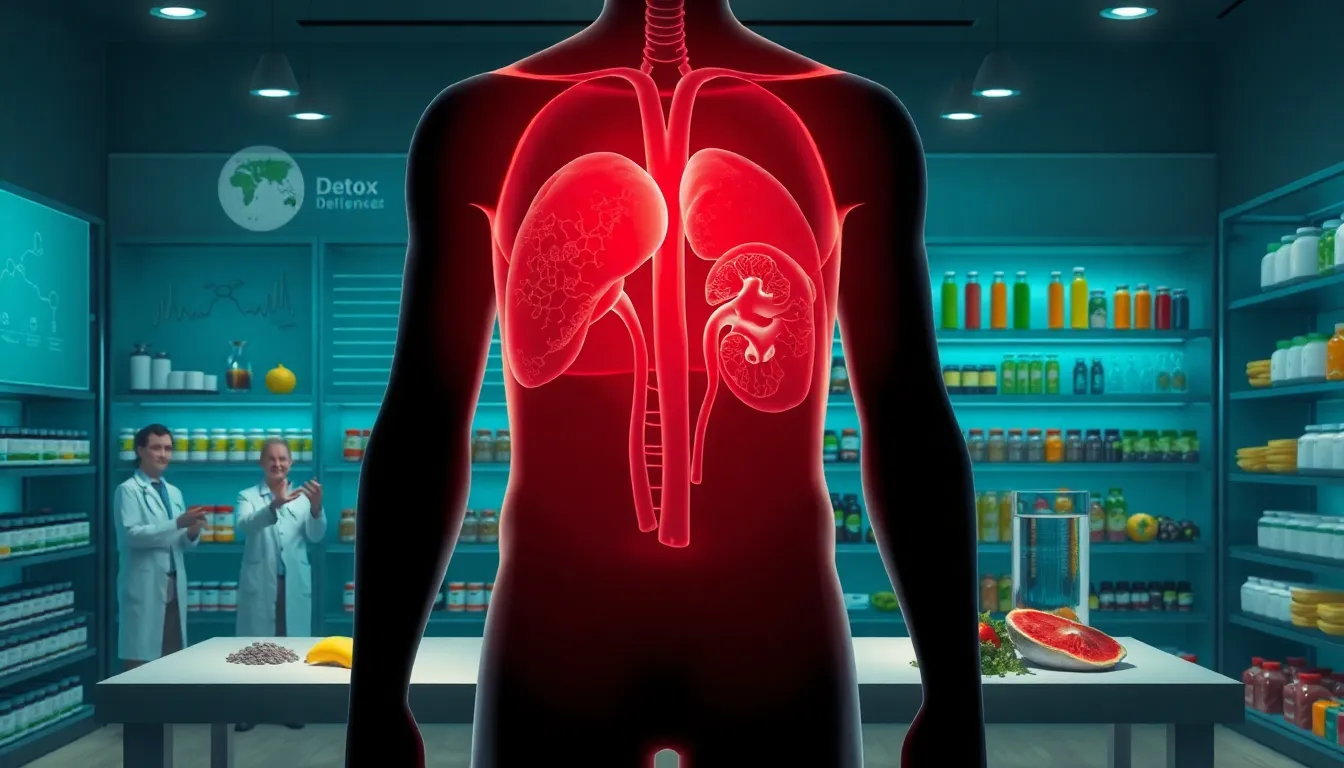
The Truth Behind Detox and Wellness Trends
Health experts are increasingly speaking out against the multi-billion dollar detox industry, calling many popular cleanses and programs “scientifically unfounded.” Your body already has sophisticated detoxification systems in place – primarily your liver and kidneys – which efficiently remove waste and toxins without expensive supplements or restrictive diets. Many so-called detox products provide no additional benefits beyond what your body naturally accomplishes.
Why Detox Programs Fail Scientific Scrutiny
Medical professionals point to several problematic aspects of commercial detox programs:
- Lack of peer-reviewed research supporting claims
- Vague definitions of “toxins” being targeted
- Potentially dangerous nutrient restrictions
- False promises of rapid weight loss or health transformation
- High costs with minimal proven benefits
These programs often exploit health anxieties while ignoring the body’s remarkable natural capabilities. Many detox advocates lack proper medical credentials yet position themselves as wellness authorities, creating confusion about legitimate health practices.
Building True Wellness Habits
Instead of falling for detox marketing, health professionals recommend sustainable approaches to supporting your body’s natural functions. Focus on consistent hydration, balanced nutrition, regular physical activity, and adequate sleep. Developing a comprehensive wellness routine based on scientific principles delivers more meaningful long-term benefits than any quick-fix detox solution. Remember that genuine health improvements require consistent lifestyle adjustments rather than periodic cleanses or miracle products.
The Truth About Detox Products: What Experts Are Saying
Wellness influencers frequently promote detox products as miracle solutions for purifying your body and improving health. However, medical professionals increasingly speak out against these claims, calling them misleading and potentially dangerous. The scientific community widely agrees that the human body has sophisticated natural detoxification systems through the liver and kidneys that function effectively without expensive supplements or restrictive regimens.
Why Detox Products Don’t Work As Advertised
Many detox proponents fail to identify which specific “toxins” their products supposedly remove. This vague terminology serves marketing purposes rather than addressing genuine health concerns. Clinical studies consistently show that juice cleanses, detox teas, and similar products provide no measurable detoxification benefits beyond what your body already does naturally. Additionally, restrictive detox protocols can deprive your body of essential nutrients while creating a false sense of purification.
Healthier Alternatives to Consider
Instead of falling for detox scams, health experts recommend these evidence-based approaches:
- Stay properly hydrated with regular water consumption
- Consume a balanced diet rich in fruits, vegetables, and fiber
- Prioritize adequate sleep (7-9 hours for most adults)
- Engage in regular physical activity
- Limit alcohol consumption and avoid smoking
Supporting your body’s natural processes through consistent healthy habits yields far better results than any quick-fix detox solution. Your liver and kidneys effectively handle elimination of waste products when you provide proper nutritional support through whole foods and healthy lifestyle choices.

The Misleading World of Detox Products and Wellness Scams
The wellness industry has exploded into a multi-billion dollar market, with countless products promising miraculous detoxification benefits. However, medical experts consistently warn that many of these trendy detox products are nothing more than elaborate marketing schemes. Your body already has a sophisticated built-in detoxification system primarily managed by your liver and kidneys. These organs efficiently filter blood, remove waste, and eliminate toxins without requiring special teas, pills, or juice cleanses.
Common Detox Myths Debunked
Many wellness companies exploit scientific-sounding jargon to create an illusion of credibility while selling essentially useless products. The term “toxins” remains deliberately vague in their marketing materials. Laxative-based cleanses can actually disrupt your digestive system and create dependency issues over time. Juice cleanses often strip away essential nutrients while delivering concentrated sugar without the beneficial fiber of whole fruits. Any weight loss experienced during these regimens typically comes from water loss and returns quickly.
How to Support Natural Wellness
Instead of falling for expensive detox scams, consider these evidence-based approaches:
- Stay properly hydrated with plain water
- Consume a varied diet rich in fruits, vegetables and fiber
- Get regular physical activity
- Prioritize quality sleep
- Limit alcohol and processed food consumption
For genuine wellness guidance, consult qualified healthcare professionals rather than social media influencers. The most effective “detox” strategy involves making sustainable lifestyle changes that support your body’s natural processes. Remember that miraculous transformations promised by quick-fix products almost always prove too good to be true.
Debunking Detox: Why Health Experts Are Challenging Wellness Industry Claims
The detox industry has exploded into a multi-billion dollar business, promising everything from weight loss to glowing skin through cleanses and specialized products. Medical professionals increasingly warn that many commercial detox programs lack scientific backing and may even pose health risks. Your body already possesses sophisticated detoxification systems through the liver and kidneys that effectively remove waste products. Popular juice cleanses, detox teas, and supplement regimens often deliver results through severe caloric restriction or diuretic effects rather than any special detoxifying properties.
Common Detox Myths Exposed
Many detox marketers exploit consumer fears about environmental toxins while offering simplistic solutions. The temporary weight loss experienced during detox programs typically results from water loss and returns quickly once normal eating resumes. Furthermore, extreme restrictive regimens can trigger nutritional deficiencies and metabolic disruptions. Instead of falling for quick-fix solutions, health experts recommend sustainable approaches like balanced nutrition and regular exercise to support your body’s natural processes.
What Actually Works for Wellness
- Stay adequately hydrated with plain water
- Consume a diverse diet rich in vegetables and fiber
- Prioritize regular, quality sleep
- Manage stress through mindfulness practices
- Engage in consistent physical activity
- Limit alcohol and processed food consumption
Rather than spending on expensive detox products, medical professionals suggest investing in high-quality whole foods and lifestyle adjustments. These evidence-based approaches provide genuine health benefits without the misleading claims and potential harms of trendy detox programs. The wellness industry continues evolving, but the fundamental principles of good health remain remarkably consistent ~nida.
{“html”:”
Source
Mordor Intelligence, “Detox Products Market Size & Share Analysis – Growth Trends & Forecasts (2024 – 2029)”
Grand View Research, “Detox Products Market Size, Share & Trends Analysis Report By Product Type (Dietary Supplements, Herbal Extracts), By Form (Pills/Tablets, Powder), By End-use, By Region, And Segment Forecasts, 2024 – 2030”
Journal of the American Medical Association (JAMA), “Detox Diets for Weight Loss and Toxin Elimination: A Systematic Review of the Evidence”
British Dietetic Association (BDA), “BDA Unveils the ‘Worst Celebrity Diets to Avoid’ in 2024”
Sense About Science, “The Detox Dossier”
The American Journal of Gastroenterology, “Gut Microbiota and Detoxification”
Hepatology, “The Role of the Liver in Metabolism and Detoxification”
Kidney International, “Kidney Physiology and Waste Excretion”
Harvard T.H. Chan School of Public Health, “The Nutrition Source: Fiber”
Council for Responsible Nutrition (CRN), “CRN 2020 Consumer Survey on Dietary Supplements”
American Society for Nutrition, “Nutritional Approaches to Support Liver Health”
National Academies of Sciences, Engineering, and Medicine, “Dietary Reference Intakes for Water, Potassium, Sodium, Chloride, and Sulfate”
“}