
Chicken Tikka Masala – Indian-British curry favorite stands as a perfect representation of cross-cultural culinary innovation, combining tender chicken chunks marinated in yogurt and spices with a rich, creamy tomato sauce. This vibrant orange-hued dish has captivated taste buds worldwide while sparking conversations about cultural appropriation versus appreciation in Britain’s complex relationship with its colonial past.
Key Implications:
- The dish has achieved remarkable cultural significance, being named Britain’s national dish in 2001 and generating over £250 million in annual sales across UK restaurants.
- Authentic preparation requires specific techniques including proper marination (4+ hours), charring the meat before adding to sauce, and using key ingredients like fenugreek leaves and Kashmiri chili powder.
- The disputed origin story most commonly credits a British Bangladeshi or Glasgow-based chef who improvised by adding tomato sauce to dry chicken tikka in the 1960s-70s.
- Regional variations have developed worldwide, with Northern Indian versions emphasizing fenugreek, British versions increasing cream content, and adaptations appearing across global cuisines.
- The dish serves as a culinary ambassador that transcends geographical boundaries, functioning as a gateway for many to explore broader Indian cuisine.
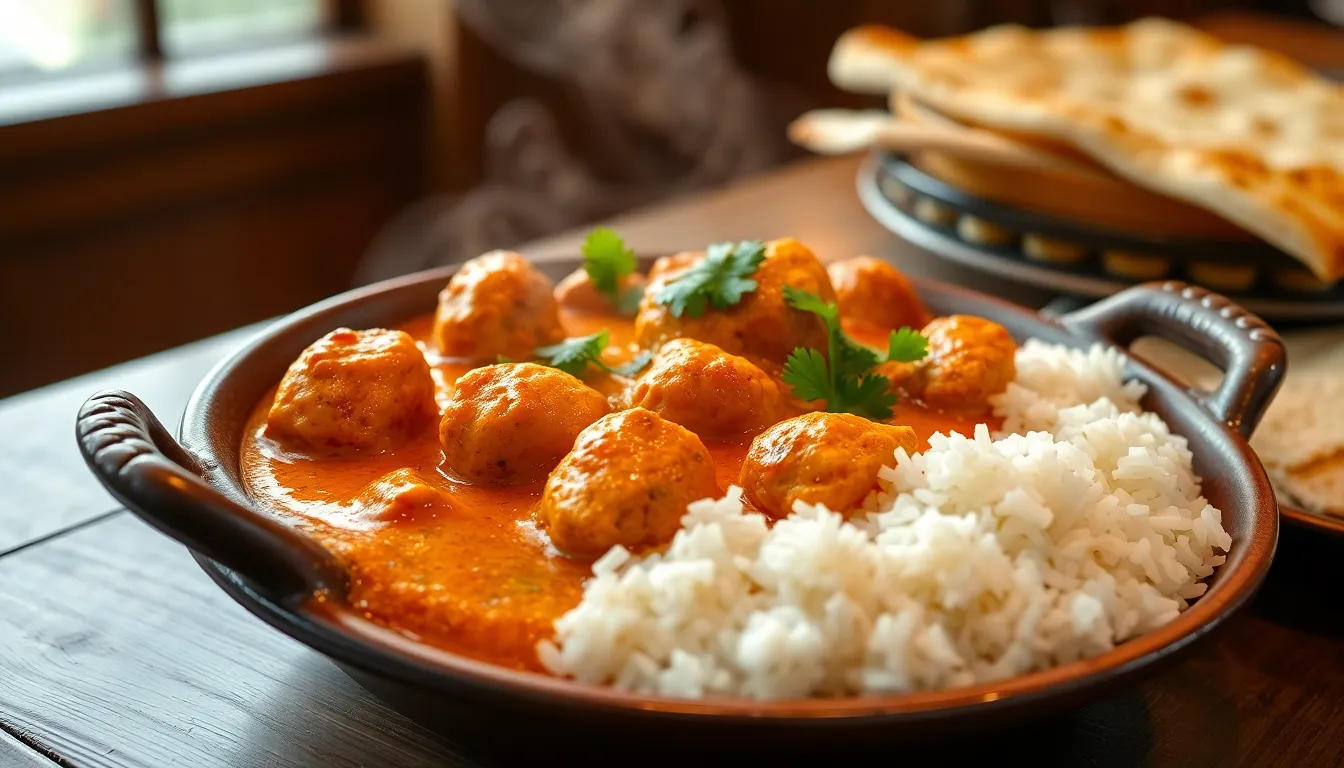
Chicken Tikka Masala: The Beloved Anglo-Indian Culinary Fusion
Chicken Tikka Masala stands as a perfect representation of cross-cultural culinary innovation. This vibrant orange-hued dish combines tender chunks of marinated chicken with a rich, creamy tomato sauce that captivates taste buds worldwide. The origins of this beloved curry remain disputed, with many food historians crediting its creation to a British Bangladeshi chef in the 1960s. The chef allegedly improvised by adding tomato soup to chicken tikka when a customer complained about dryness, inadvertently creating a new classic.
Key Components of Authentic Chicken Tikka Masala
What sets exceptional tikka masala apart is its balance of spices and cooking techniques. Traditional preparation involves marinating chicken in yogurt and spices before cooking it in a tandoor oven. The signature sauce combines tomatoes, cream, and a carefully measured blend of spices including garam masala, turmeric, and fenugreek. This harmony of flavors creates the dish’s distinctive sweet-spicy profile that has made it a staple on global culinary menus.
Cultural Impact and Variations
- Named Britain’s national dish in 2001 by Foreign Secretary Robin Cook
- Generates over £250 million in annual sales across UK restaurants
- Inspired countless regional adaptations worldwide
- Serves as a gateway to exploring broader Indian cuisine
- Represents successful cultural diplomacy through food
The dish’s popularity has sparked conversations about cultural appropriation versus appreciation, making it more than just a meal but a symbol of Britain’s complex relationship with its colonial past and multicultural present.
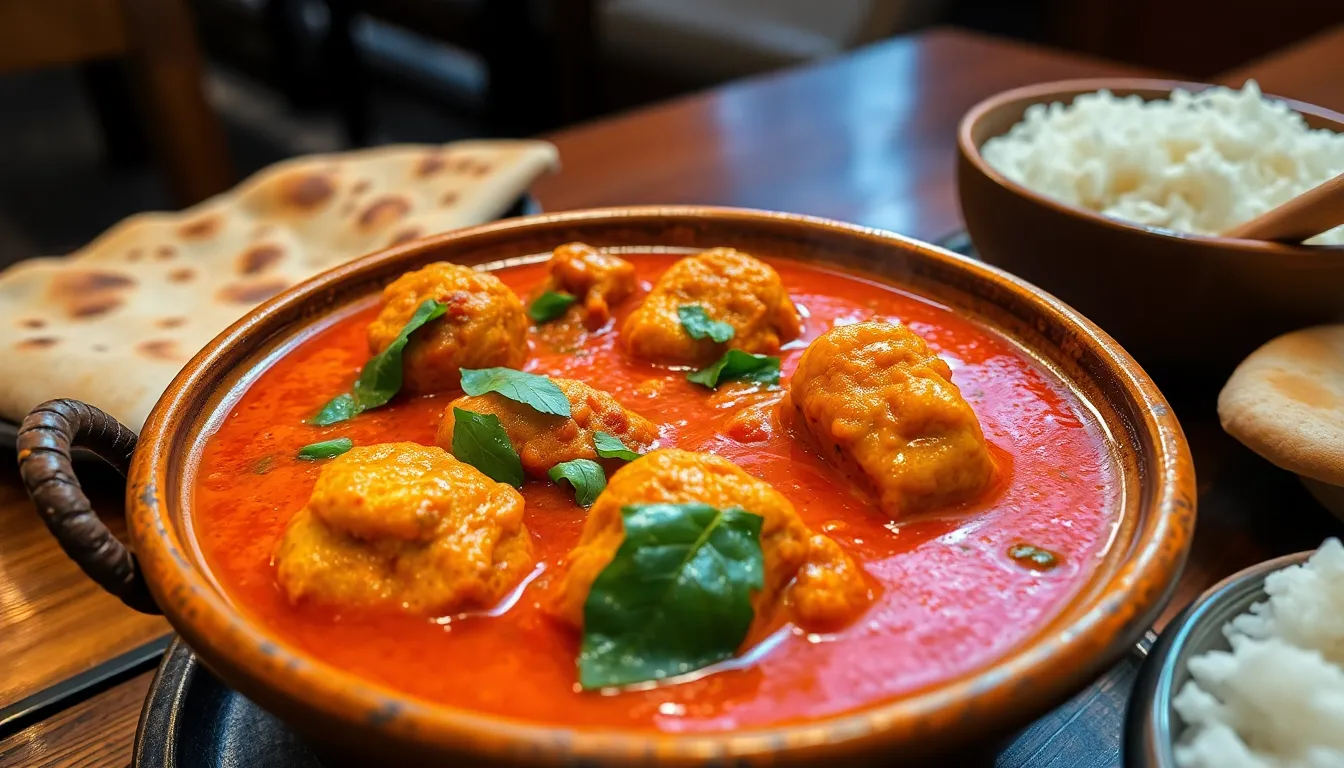
The Rich Cultural Heritage of Chicken Tikka Masala
Chicken Tikka Masala stands as a culinary ambassador between Indian and British food traditions. This beloved curry dish features tender chicken pieces marinated in spices and yogurt, then grilled and simmered in a creamy tomato sauce. Its distinctive orange-red color comes from the combination of tomatoes, paprika, and turmeric that create its signature appearance. The exact origins remain debated, with some claiming it was created in Glasgow when a chef improvised a sauce for dried chicken, while others argue for deeper roots in Punjab cuisine. What’s undeniable is how this dish has become a cultural phenomenon that transcends geographical boundaries, appearing on restaurant menus worldwide.
Key Ingredients That Make the Difference
The magic of Chicken Tikka Masala lies in its balanced flavor profile. Authentic preparation requires:
- Boneless chicken thighs (preferable to breast for moisture)
- Yogurt-based marinade with garam masala, turmeric, and cumin
- Tomato base enriched with cream or coconut milk
- Fenugreek leaves for the distinctive aromatic quality
- Kashmiri chili powder for color without excessive heat
The marinade process cannot be rushed, ideally allowing the chicken to absorb flavors for at least 4 hours. This patience rewards cooks with meat that remains juicy even after grilling. The complexity of this dish makes it a perfect culinary masterpiece that brings people together around the dinner table.
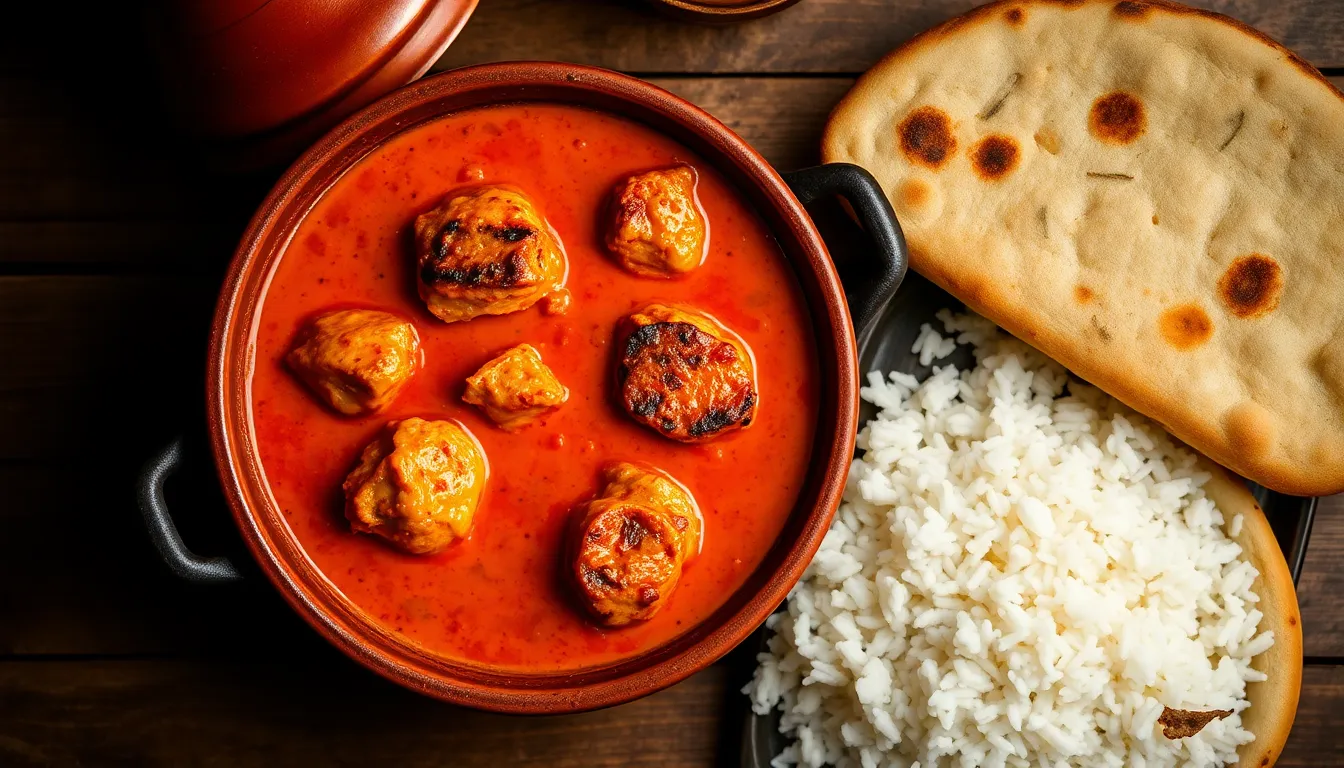
The Origins and Evolution of Chicken Tikka Masala
Chicken Tikka Masala stands as a culinary ambassador bridging Indian and British food cultures. This creamy, tomato-based curry with tender chunks of marinated chicken embodies the beautiful fusion of colonial history and immigrant innovation. Many food historians attribute its creation to a Bangladeshi chef in Glasgow during the 1970s, who allegedly improvised a sauce from tomato soup and spices when a customer complained about dry chicken tikka. The dish rapidly gained popularity across British curry houses before conquering international palates.
Key Components of Authentic Chicken Tikka Masala
The magic of this dish lies in its two-part cooking process. First, chicken pieces marinate in yogurt and spices before being charred in a tandoor oven. Then, they simmer in a rich sauce combining tomatoes, cream, and a precise blend of spices. The signature orange-red hue comes from paprika and turmeric, while garam masala provides its aromatic backbone. Regional variations exist, but the creamy texture and smoky-sweet flavor profile remain consistent hallmarks of a properly prepared version.
Cooking Tips for Perfect Results
When preparing Chicken Tikka Masala at home, consider these essential techniques:
- Marinate chicken for at least 4 hours (preferably overnight)
- Char the meat properly before adding to sauce
- Balance cream and tomato carefully for ideal consistency
- Toast whole spices before grinding for deeper flavor
- Allow the sauce to simmer slowly for flavor development
The dish pairs wonderfully with naan bread or basmati rice and has become so beloved that it’s often called Britain’s national dish, despite its Indian roots. This cultural hybridity perfectly represents how food evolves through migration and adaptation.
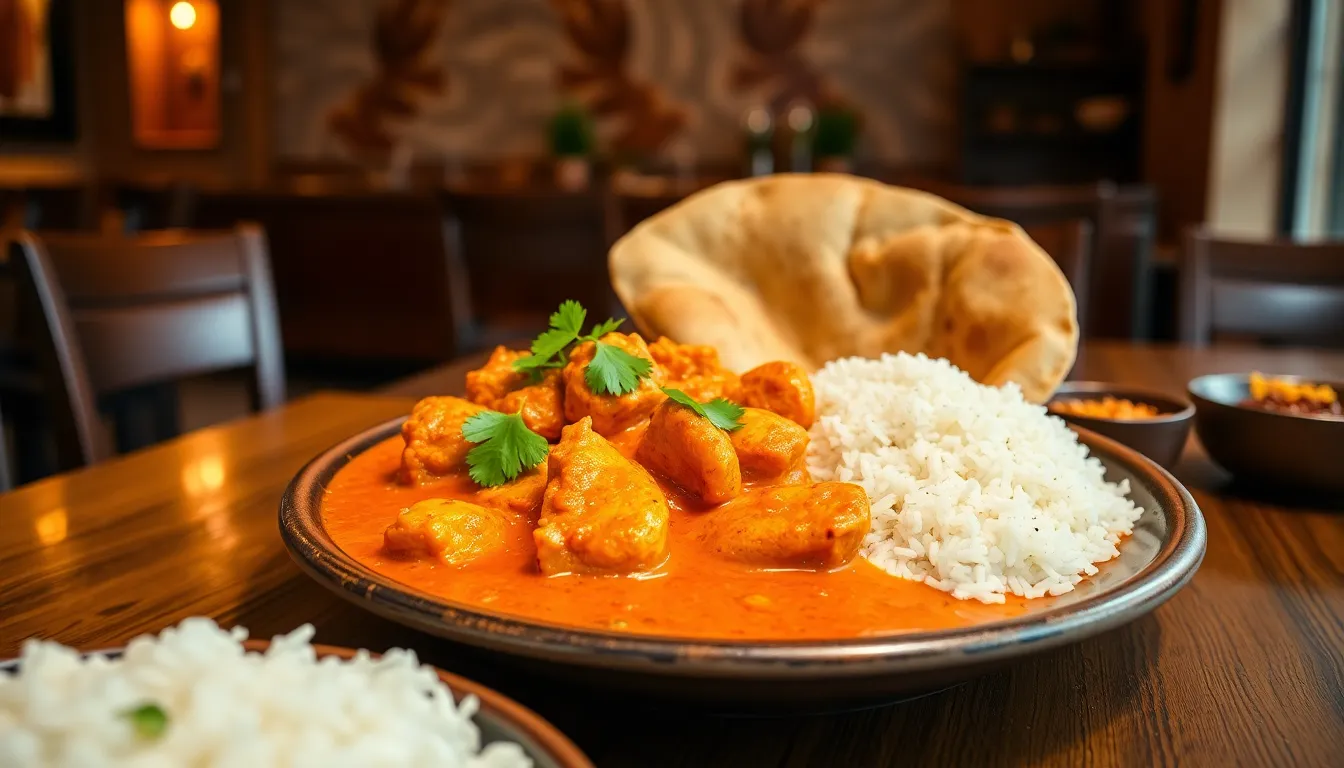
The Cultural Journey of Chicken Tikka Masala
Chicken Tikka Masala stands as a culinary bridge between Indian tradition and British adaptation, creating one of the most beloved curry dishes worldwide. The vibrant orange-hued curry combines tender chicken pieces marinated in yogurt and spices, then bathed in a creamy tomato sauce infused with aromatic spices. Many food historians trace its origins to the 1970s in Glasgow, Scotland, where a chef reportedly created the sauce to satisfy a customer who complained about dry chicken tikka.
Essential Ingredients and Preparation
The magic of this dish lies in its two-part cooking method. First, the chicken marinates in a yogurt mixture with ginger, garlic, and garam masala, developing deep flavor before being cooked in a tandoor or oven. Then, the signature sauce combines tomatoes, cream, and a balanced blend of spices including cumin, coriander, and turmeric. While restaurant versions often use heavy cream for richness, home cooks can substitute with yogurt or coconut milk for a lighter approach that still delivers authentic flavor. The dish pairs perfectly with naan bread or basmati rice to soak up the luscious sauce.
Regional Variations Worth Exploring
- Northern Indian versions emphasize fenugreek and butter
- British adaptations often increase cream and reduce spice levels
- American variations frequently incorporate bell peppers
- Australian versions sometimes include a touch of honey
- South Asian communities in East Africa add local herbs
Despite ongoing debates about its precise origin, Chicken Tikka Masala has transcended cultural boundaries to become Britain’s unofficial national dish. Its popularity extends globally, appearing on menus from upscale restaurants to casual takeaways in cities around the world. This delicious example of cross-cultural culinary evolution continues to bring people together through shared appreciation of bold, comforting flavors.
{“html”:”
Source
The British Curry Club – “Britain’s Favourite Curry 2011 Survey Results”
The Guardian – “Ali Ahmed Aslam: Inventor of chicken tikka masala”
“}