
Facing intense online scrutiny where “My frugal hacks keep me warm without heating but trolls say I have a ‘sad life’” became a prominent criticism, a teaching assistant’s DIY warming methods recently captivated social media users. Her TikTok videos quickly accumulated over 124,400 views, demonstrating widespread interest in affordable winter comfort solutions amidst rising financial pressures.
Key Implications
- Economic Motivations: Widespread appeal for frugal warming hacks stems from individuals seeking creative, low-cost solutions to manage significant living expenses, particularly for heating and housing, often driven by personal financial goals like reducing reliance on renting.
- Social Reception and Safety: Viral frugal methods, while popular, face significant social media backlash and accusations of a “sad life,” necessitating clear safety guidelines and protocols for DIY solutions like the rice-sock warmer.
- Alternative Strategies: Expert-backed advice promotes “heating the human not the home” through cost-effective gadgets, which offer efficient alternatives to traditional central heating, operating at minimal hourly costs (under 1p).
DIY Warming Hacks Garner 124,400 Views in Under 24 Hours
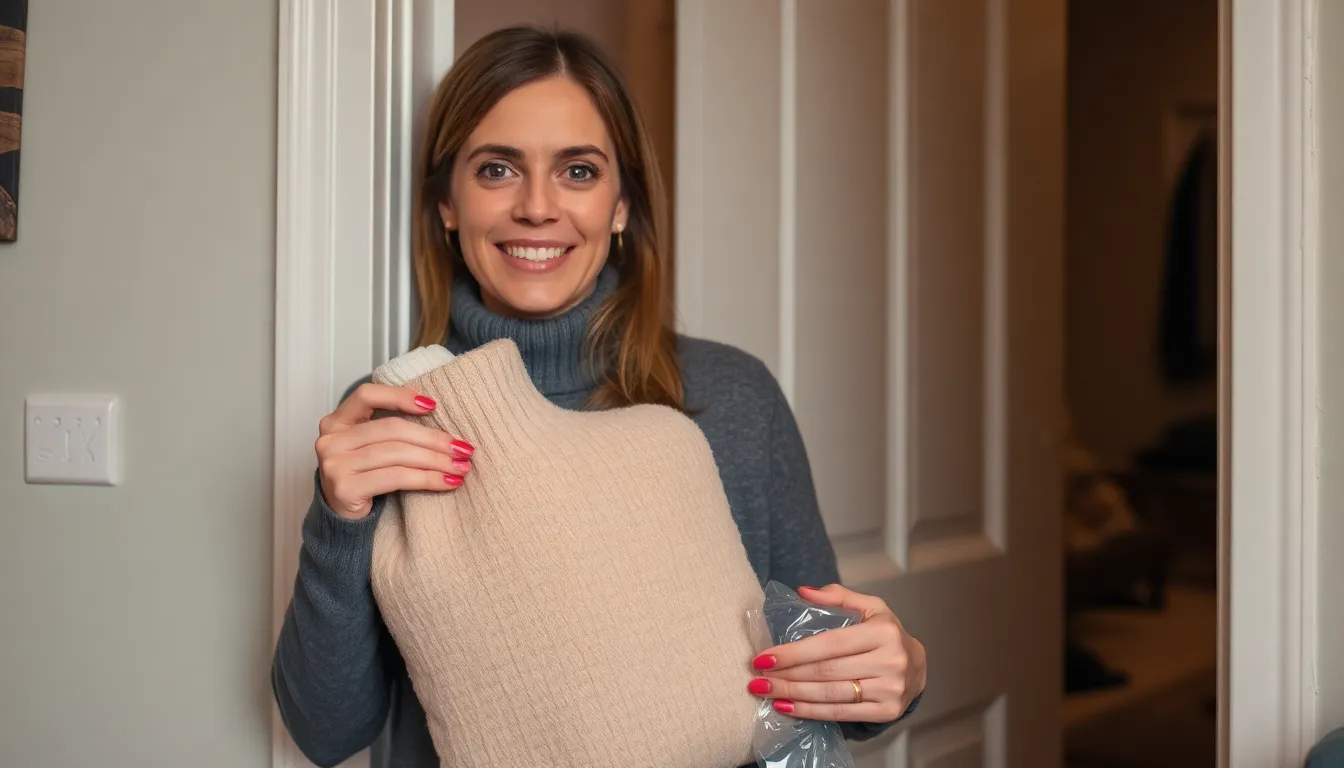
A teaching assistant recently gained significant online attention for her unconventional yet effective methods for staying warm without central heating. Her TikTok clip, shared under the handle @frugal.confession, rapidly accumulated 124,400 views in less than 24 hours. This swift viral spread highlighted practical strategies for reducing household expenses and staying warm without central heating.
The Viral Phenomenon and Its Economic Drivers
The widespread appeal of these methods stemmed from a clear financial motivation. The teaching assistant actively saves money with the explicit goal to “get out of renting.” This personal objective resonated with many viewers, underscoring common financial pressures.
The viral content demonstrated how simple, resourceful approaches can contribute to significant savings. Her frugal hacks exemplify a growing trend of individuals seeking creative solutions to manage living costs, particularly for major expenses like housing. The public response indicates a broad interest in actionable money-saving strategies.
Ingenious DIY Solutions for Thermal Comfort
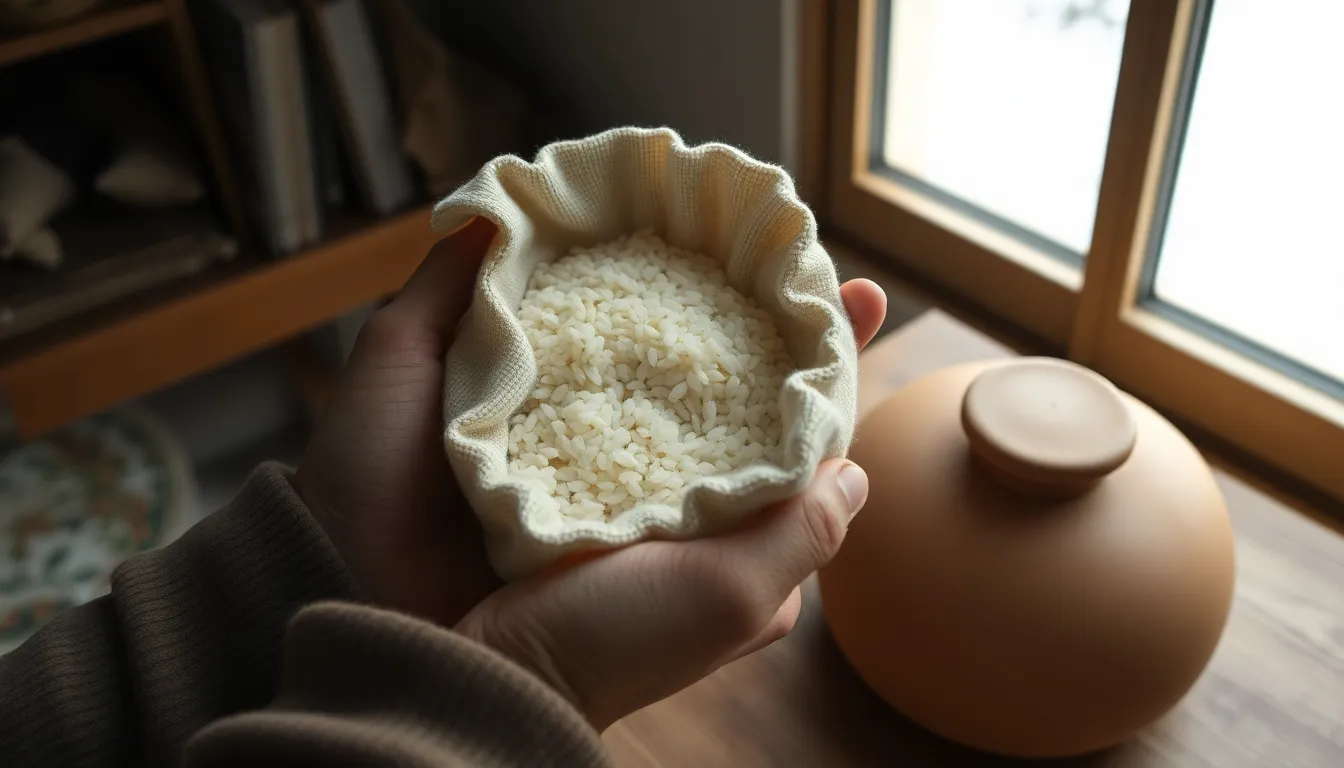
Among the shared methods, a homemade hot water bottle using “a couple of tablespoons of rice in each sock” became a notable highlight. This improvised device is microwaved for “around one minute in total” to provide warmth. This technique offers a cost-effective alternative to purchasing a dedicated hot water bottle, thereby embodying resourceful living.
These creative warming solutions provide tangible benefits, often at minimal or no cost. They offer a direct way to combat cold indoors without relying on energy-intensive central heating. The adoption of such frugal hacks keep individuals warm without heating, directly addressing immediate comfort needs. For additional ideas, consider these 5 simple DIY hacks to reduce winter heating bills.
Effective Draught Exclusion Techniques
Another critical strategy involved draught exclusion, implemented using “tea towels and plastic bags underneath all the doors.” This simple barrier effectively prevents cold air from entering living spaces. The effectiveness of this method was evident from the observation that “the tea towels are stone cold from picking up the draught” the next morning. This provides direct evidence of significant heat loss prevention.
Deploying inexpensive materials like tea towels and plastic bags offers an accessible solution for improving indoor thermal efficiency. Such measures contribute to a warmer environment by sealing gaps where heat might escape. These techniques collectively reduce the need for extensive heating, supporting personal financial goals. Exploring personal budgeting methods for people paid weekly can further aid in achieving financial independence.
Frugal Methods Face “Sad Life” Criticism and Safety Scrutiny
The recent surge in viral frugal warming hacks, particularly the DIY rice-sock method, has sparked considerable negative social media feedback. These reactions subsequently prompted the issuance of detailed safety guidelines for proper usage.
Public Backlash and “Sad Life” Accusations
Social media users directly criticized the methods, with comments indicating emotional distress. Phrases such as “This made me feel so bad,” “No life is worth living like this,” and “Very sad life for you” were common expressions of disapproval.
This often leads to accusations of “rage bait,” a social media phenomenon where content is intentionally designed to provoke strong emotional reactions. Such contentious posts frequently generate high engagement metrics, regardless of sentiment.
The harsh judgment encapsulated by phrases like “My frugal hacks keep me warm without heating but trolls say I have a ‘sad life’” reveals a prevailing societal pressure. This pressure often dictates acceptable living standards, even when individuals prioritize personal financial resilience.
Essential Safety Protocols for DIY Warming Hacks
The DIY rice-sock method, while seemingly simple, provoked questions regarding its hygiene and safety. One specific user queried, “Reuse it as food? Surely not,” highlighting a significant public concern about cross-contamination or degradation.
To mitigate risks, official safety guidelines recommend using a clean, 100% cotton sock and specifically uncooked white rice. Instant rice varieties are explicitly discouraged due to their differing moisture absorption and heating properties.
Proper microwave heating is paramount to prevent burns or fire hazards. Initial heating cycles should be conservative, starting with 30 seconds, followed by a careful check of the internal temperature.
Subsequent warming continues in 15–30 second intervals, allowing for gradual heat accumulation until the sock reaches a comfortable warmth. The total heating time typically ranges from one to two minutes, ensuring safe and effective use.
The Frugality Debate: Rice Socks vs. Hot Water Bottles
A notable critique emerged contrasting the DIY rice-sock with established warming alternatives. One social media user asserted that buying a hot water bottle would be more sensible than “wasting money on rice all the time,” directly challenging the method’s cost-effectiveness.
This commentary underscores a perceived economic inefficiency in the rice-sock approach. It suggests that the recurring expense of purchasing rice for heating could, over time, exceed the initial outlay for a durable, reusable hot water bottle.
Such comparisons are vital for individuals exploring simple DIY hacks to reduce winter heating bills. It prompts consideration of both upfront costs and long-term utility when adopting frugal home warming strategies.
The discussion extends beyond mere cost, encompassing convenience and safety aspects of each warming method. Ultimately, selecting the most appropriate frugal warming solution depends on individual priorities and resource availability.
Expert-Backed Gadgets Offer £4-£50 Warmth Under 1p Hourly
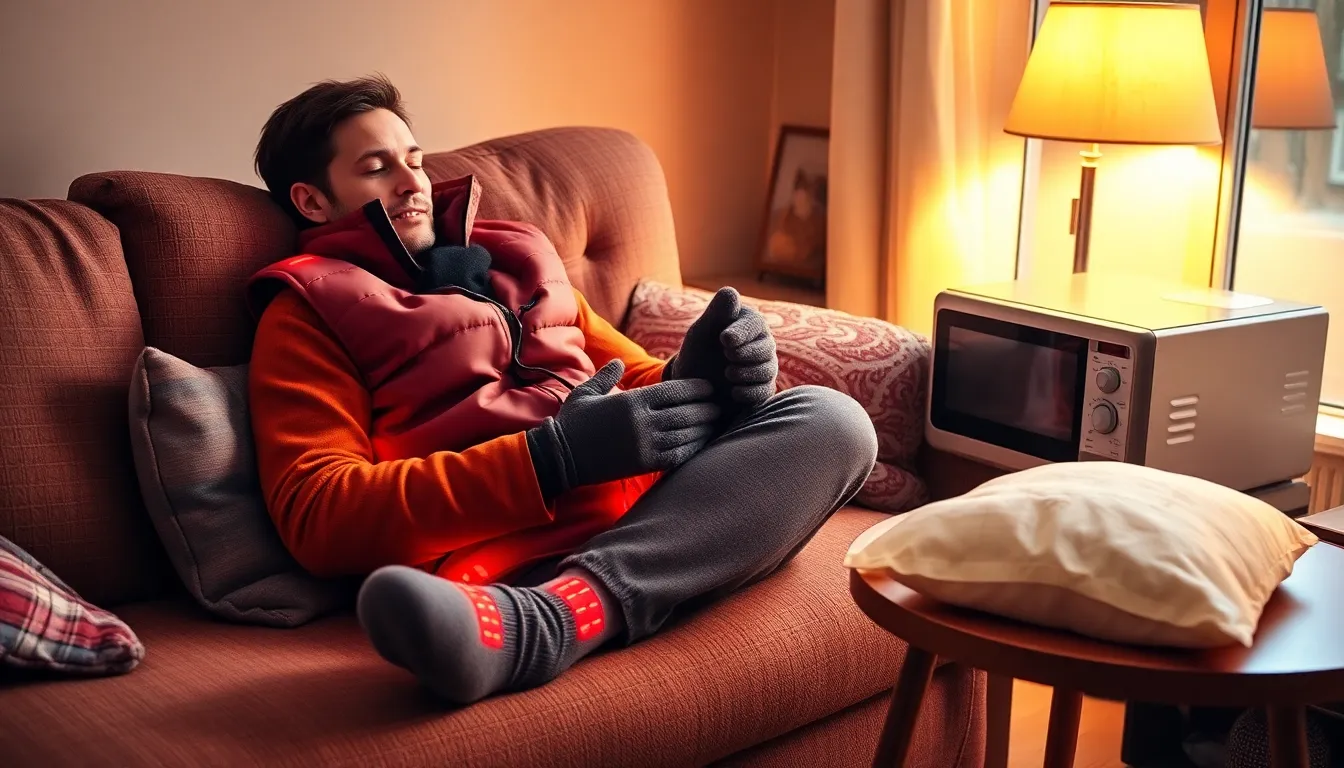
As winter approaches, many individuals face the challenge of maintaining comfort without incurring exorbitant heating costs. MoneySavingExpert advocates a strategic approach known as “heating the human not the home” to mitigate energy expenses. This philosophy prioritizes warming individuals directly rather than expending energy to heat entire living spaces, offering a more sustainable and economical solution.
The ‘Heat the Human’ Philosophy
The core principle behind heating the human involves concentrating warmth where it is most needed: on the individual. This method challenges conventional heating reliance, which often leads to significant energy consumption and high utility bills. Instead, it promotes personal comfort through targeted warming devices, acknowledging that widespread home heating can be financially burdensome.
For those exploring frugal hacks to keep warm without heating, this strategy presents a viable alternative to constantly adjusting the thermostat. By understanding and implementing these personal warming techniques, individuals can achieve thermal comfort while substantially reducing their energy footprint and expenditure.
Cost-Effective Warming Solutions
MoneySavingExpert recommends six specific low-cost gadgets designed to provide warmth efficiently. These devices represent a direct comparison in terms of initial purchase price and minimal operational costs. Each gadget is priced between £4 and £50, ensuring accessibility for various budgets, and runs for less than 1p per hour, highlighting their remarkable efficiency.
This data-driven approach allows consumers to make informed choices, understanding the upfront investment versus the long-term running costs. The focus remains on providing effective warmth without the financial strain often associated with conventional heating systems. Such options underscore the practicality of personal heating solutions.
| Gadget | Initial Cost | Hourly Running Cost |
|---|---|---|
| USB Gloves | £10 | <1p |
| Heated Insoles | £10 | <1p |
| USB Hand Warmers | £15 | <1p |
| Electric Gilet (including battery pack) | £50 | <1p |
| Microwaveable Wheat Bag | £4 | <1p |
| Reusable Hand Warmers (for a pair) | £5 | <1p |
Broad Applicability and Financial Impact
These innovative gadgets offer broad applicability as a viable alternative to conventional home heating during cold weather. They cater to various personal needs, from keeping hands warm while working at a desk to maintaining core body temperature with an electric gilet. The low initial cost makes them an accessible investment for almost anyone seeking to cut down on utility bills.
The consistent running cost of less than 1p per hour for all six devices represents a significant financial advantage over traditional heating methods. This operational efficiency is paramount for those who feel their reliance on standard heating contributes to a “sad life” due to prohibitive expenses. Embracing these personal warming devices can effectively reduce energy consumption and empower individuals to manage their budgets more effectively. Exploring 5 simple DIY hacks to reduce winter heating bills can further complement these gadget-based strategies, offering comprehensive approaches to cold-weather frugality.
Featured image generated using Flux AI
The Sun: “MY FRUGAL HACKS MEAN I KEEP WARM WITHOUT HEATING & SAVE MONEY THIS WINTER – BUT MEAN TROLLS SAY I HAVE A ‘VERY SAD LIFE’”