
A viral TikTok video showcasing a “Brilliant” lemon zesting hack using common kitchen item has people divided, presenting an innovative method to prevent zest from sticking to graters. While lauded for simplifying cleanup and maximizing yield, this technique also faces significant concerns regarding food safety and overall efficiency.
Key Implications:
- Enhanced Zesting Efficiency: Proponents celebrate the hack’s ability to completely eliminate stuck zest and maximize yield, streamlining the zesting process and significantly easing cleanup for users.
- Food Safety and Practicality Concerns: Critics have raised serious food safety concerns due to potential paper contamination in food, alongside doubts about the hack’s actual efficiency, citing increased setup and resource usage compared to traditional methods.
- Validation of Established Alternatives: The public discourse highlighted a preference for simpler, established cleaning methods like using toothbrushes or dish brushes, and specialized kitchen tools such as dedicated zesters, which avoid contamination risks.
TikTok Zesting Hack Achieves Over 92,000 Likes
A viral TikTok video recently demonstrated an innovative lemon zesting technique, quickly gaining significant traction online. This novel method utilizes a widely available common kitchen item.
It has accumulated over 92,000 likes, indicating substantial viewer engagement and appreciation for its perceived efficiency. The core aim of this ‘Brilliant’ lemon zesting hack using a common kitchen item is to prevent zest from sticking to the grater during food preparation.
The Ingenious Zesting Method Explained
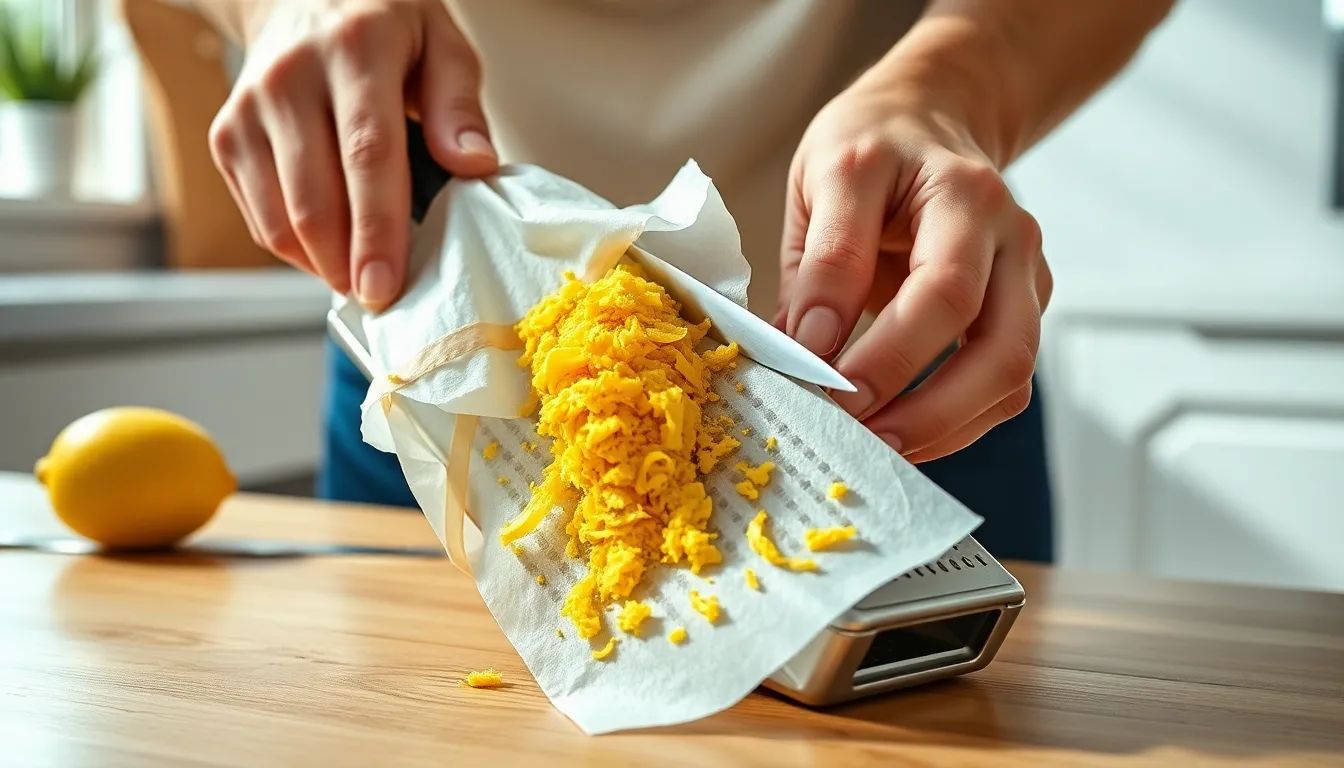
The hack involves a straightforward setup where greaseproof paper is wrapped around a standard cheese grater. This creates a disposable, non-stick surface over the grating area.
The setup process for this technique is as follows:
- Wrap greaseproof paper tightly around the grater’s face, ensuring full coverage.
- Secure the paper firmly with elastic bands at both the top and bottom of the grater.
- Grate the lemon as usual, allowing all zest to collect directly on the paper.
- After zesting, remove the paper and scrape off the accumulated zest with a knife.
This technique effectively bypasses the conventional problem of zest lodging itself within the grater’s small, sharp holes. The effortless collection and removal save considerable time and effort.
Impact and Public Reception of the Hack
The primary benefit acclaimed by proponents of this method is the total elimination of stuck zest. This dramatically simplifies the cleanup process, making zesting a much more pleasant experience.
Furthermore, the hack ensures maximum yield of zest, as no valuable fragments are lost within the grater’s structure. This contributes to more efficient use of ingredients in cooking and baking.
The viral video’s comments section revealed strong positive reactions from viewers. Many expressed sentiments such as, “I wish I knew this sooner,” underscoring the perceived immediate utility of the method to its audience.
This widespread enthusiasm highlights the practical problem-solving aspect of the hack. Its simplicity and effectiveness resonated deeply with home cooks seeking easier kitchen routines, prompting broad adoption.
The remarkable accumulation of over 92,000 likes on the TikTok video clip alone signifies profound viewer engagement. This strong digital response validates the hack’s widespread appeal and effectiveness among users.
Consequently, the adoption of this lemon zesting technique offers tangible benefits for daily kitchen operations. It exemplifies how simple modifications can significantly improve culinary tasks and contribute to reducing food waste.
The ease of cleaning and minimal effort required distinguishes this particular lemon zesting hack. It reinforces the idea that innovative approaches to common chores can attract significant public interest, especially a ‘Brilliant’ lemon zesting hack using a common kitchen item.
Users Raise Contamination and Efficiency Concerns
Safety Concerns and Ingestion Risks
The ‘Brilliant’ lemon zesting hack using common kitchen item has people divided over significant food safety concerns. Social media users specifically cited the potential for paper contamination in food. This risk became a central point of criticism against the viral kitchen trick.
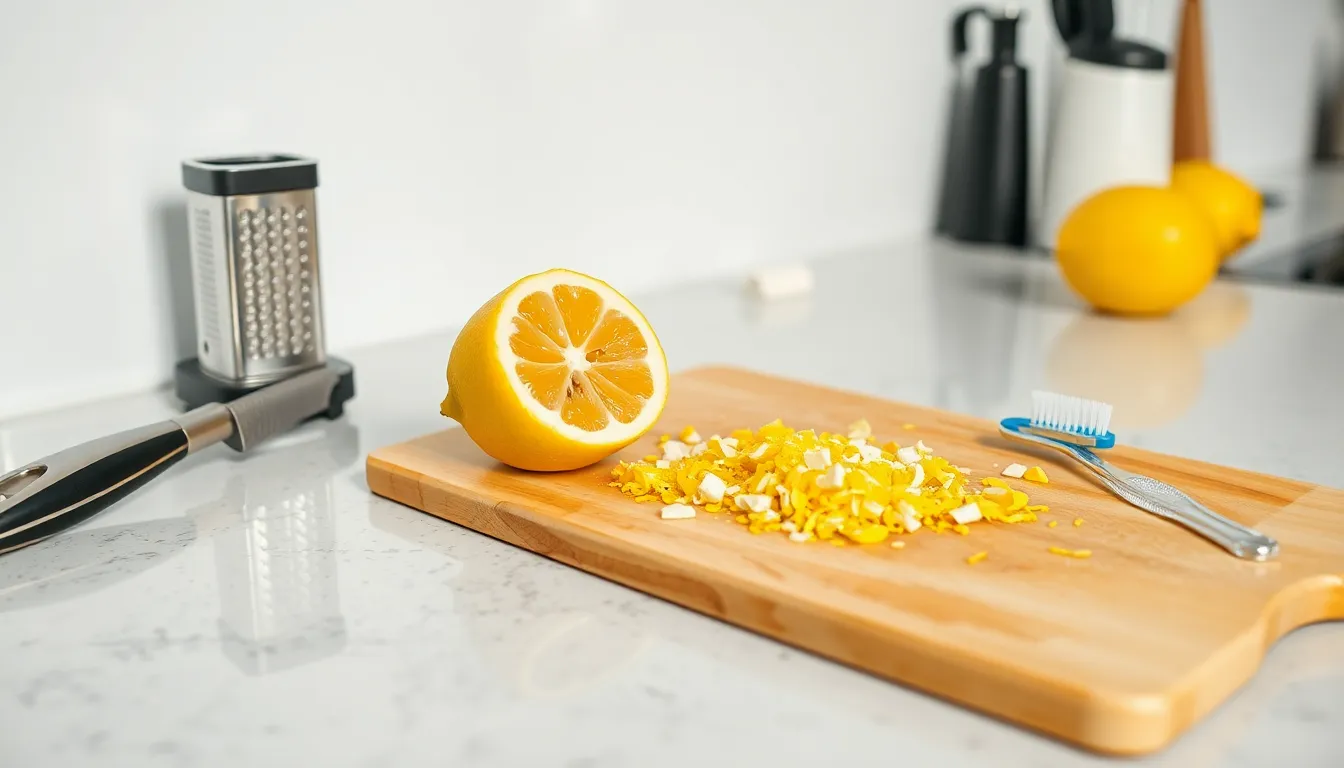
A direct user query questioned, “There’s no little parchment pieces in it?” This received a clear, confirming reply: “There is.” The response, accompanied by a crying emoji, underscored genuine concern about paper fragments in zest. This interaction highlighted the tangible issue of non-food items in prepared dishes.
Explicit aversion to consuming foreign materials further fueled public skepticism. Comments like, “I would rather do the dishes than eat paper,” illustrated strong opposition. Such sentiments contributed significantly to the hack’s controversial reception among home cooks. Safety remained a paramount concern for many.
Critiques on Efficiency and Practicality
Beyond safety, the hack also faced scrutiny regarding its practicality and increased effort. Critics often described the method as demanding “more work, more resources used, and potentially hazardous.” This collective feedback indicated a clear perception of decreased efficiency.
This perception stood in stark contrast to the perceived advantages often associated with kitchen hacks. Users highlighted the added steps involved in setting up and cleaning the paper itself. Therefore, the method introduced new complexities rather than streamlining the process. This specific concern deepened user division.
The comparison between the hack’s alleged benefits and its practical drawbacks was frequently articulated. Many questioned the hack’s actual time-saving or convenience benefits. The added labor for setup and cleanup undermined its core appeal, suggesting it was counterproductive for many users. This also presented a risk of consuming unwanted elements.
Preferred Alternatives and Established Methods
The widespread discussion also revealed a diverse range of simpler and more effective alternatives. Many users suggested established methods for cleaning graters efficiently. These traditional approaches avoid the contamination risks associated with the paper hack.
Specific counter-suggestions illustrated the varied effective strategies already in use. Users frequently recommended several established methods:
- Utilizing a toothbrush for thorough grater cleaning.
- Employing various dish brushes for effective maintenance.
- Investing in a dedicated zester for optimal performance.
These readily available tools and specialized kitchen gadgets ensure optimal performance without introducing non-food items. They offer straightforward solutions for lemon zesting and kitchen hygiene. For tips on maximizing kitchen utility, explore reducing food waste by using vegetable scraps. You might also find value in learning how to clean a burnt stainless steel pot effectively. For broader financial planning in the kitchen, consider money-saving meal prep ideas.
Featured image generated using Flux AI
Source: Express.co.uk: "’Brilliant’ lemon zesting hack using common kitchen item has people divided"