
Winter heating bills can be daunting, but implementing simple DIY hacks to reduce winter heating bills offers homeowners effective strategies to significantly lower energy costs. These practical adjustments, from sealing air leaks to optimizing heating and hot water systems, translate directly into a warmer home and tangible financial savings.
Key Implications
- Air Sealing and Window Insulation: Addressing air leaks and inefficient windows can prevent 25% to 40% of residential heating energy loss, offering substantial savings through caulk, weatherstripping, heavy curtains, and insulation films.
- Thermostat Optimization: Strategically setting back your thermostat by 7-10°F for 8 hours daily can reduce annual heating bills by up to 10%, particularly when leveraging programmable or smart thermostats effectively.
- Furnace Filter and Vent Management: Regularly replacing dirty furnace filters can lower energy consumption by 5% to 15%, while ensuring heating vents are clear and unobstructed can boost system efficiency by 10% or more.
- Hot Water Tank Insulation: Insulating an older, uninsulated water heater tank can cut standby heat losses by 25% to 45%, leading to 7% to 16% annual savings on water heating costs with a low-cost insulation blanket.
- Hot Water Pipe Insulation: Extending insulation to the first 6 feet of both hot and cold water pipes connected to the water heater can yield an additional 3% to 4% annual savings on water heating, enhancing overall system efficiency.
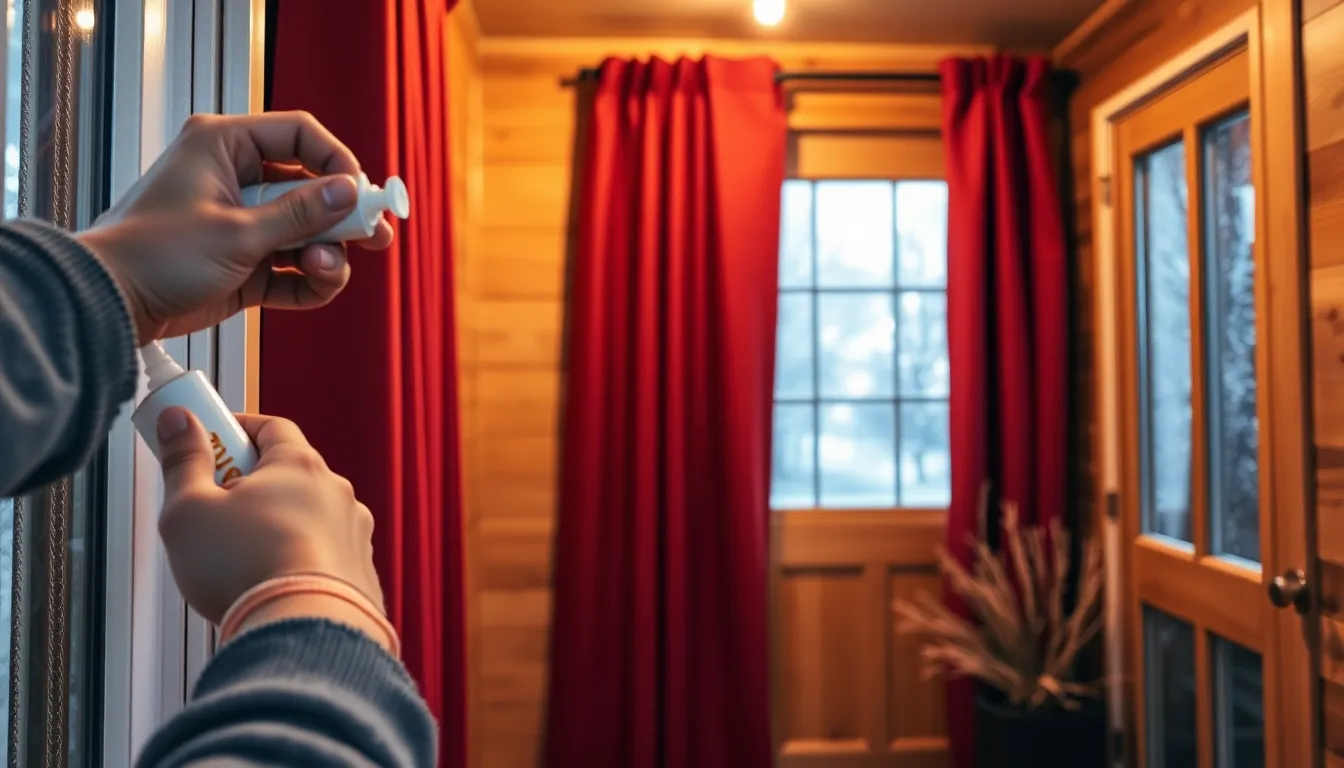
Seal Gaps and Windows: Stop Up to 40% of Your Heat from Escaping
As winter approaches, many homeowners dread the inevitable rise in heating bills. The biggest culprits for this escalating expense often lie within your home’s thermal envelope: persistent air leaks and inefficient windows. Implementing straightforward simple DIY hacks to reduce winter heating bills can dramatically prevent heat from escaping. This directly translates into significant savings on your energy costs throughout the colder months.
Consider the impact: air leaks alone account for a substantial 25% to 40% of residential heating energy loss. Furthermore, a significant 25% to 30% of a home’s heating energy can escape directly through its windows. Addressing these two major vulnerabilities with targeted, practical solutions offers one of the most effective strategies to maintain warmth indoors and keep more money in your wallet.
Conquering Cold Drafts: Effective Air Sealing Techniques
Proper air sealing is a foundational step in reducing heat loss. Homeowners can save an average of 10% to 20% on heating bills by meticulously sealing gaps and cracks. Begin by identifying common culprits for air infiltration. These often include areas around window frames, door frames, electrical outlets, plumbing penetrations, and where dissimilar materials meet.
One of the most accessible and effective air-sealing methods involves using caulk. For any gaps or cracks that are less than 1/4 inch wide, a quality caulk provides an excellent seal. Choose the right type of caulk for the application; silicone caulk offers superior flexibility and durability for exterior use, while acrylic latex caulk is easier to clean up and paintable for interior applications. Applying it smoothly and consistently will create an airtight barrier, preventing warm air from leaking out and cold drafts from entering.
For larger gaps and around movable components like doors and windows, weatherstripping is essential. This flexible material creates a seal when a door or window is closed, significantly reducing drafts. Weatherstripping can effectively reduce drafts by 10% to 15% of total air leakage in a typical home. Various types are available, including adhesive-backed foam, rubber, and V-strip. Ensure the weatherstripping is installed tightly and makes full contact when the door or window is shut to maximize its insulating properties.
Fortifying Your Windows: Reducing Heat Loss
Windows, while offering light and views, are notorious thermal weak points in many homes. As noted, they can be responsible for 25% to 30% of a home’s overall heat loss. Fortunately, several simple and cost-effective solutions exist to bolster their insulating capacity. These simple DIY hacks are easy to implement and yield immediate results.
Heavy curtains or drapes are an incredibly straightforward and stylish way to reduce heat loss through windows. When properly installed and closed during colder hours, especially at night, heavy curtains can reduce heat loss through windows by up to 25%. Look for curtains with thermal linings or multiple layers for the best performance. Ensure they extend beyond the window frame and reach the floor to create an effective insulating pocket, trapping a layer of still air against the windowpane.
Another highly effective and affordable solution is the application of window insulation films. These clear, thin plastic films are applied to the inside of your window frames and then shrunk taut with a hairdryer, creating an insulating air pocket between the film and the glass. Window insulation films are capable of reducing heat transfer by approximately 15% to 20%. This barrier helps to keep warm air inside during winter and can also help block heat in the summer, making them a versatile, year-round energy-saving measure.
By focusing on these practical simple DIY hacks to reduce winter heating bills, you can significantly improve your home’s energy efficiency. Sealing air leaks with caulk and weatherstripping, combined with enhancing window insulation through heavy curtains and films, creates a warmer, more comfortable living environment while delivering tangible savings on your monthly heating expenses. These small investments in time and materials offer a substantial return by preventing your hard-earned money from literally flying out the window.
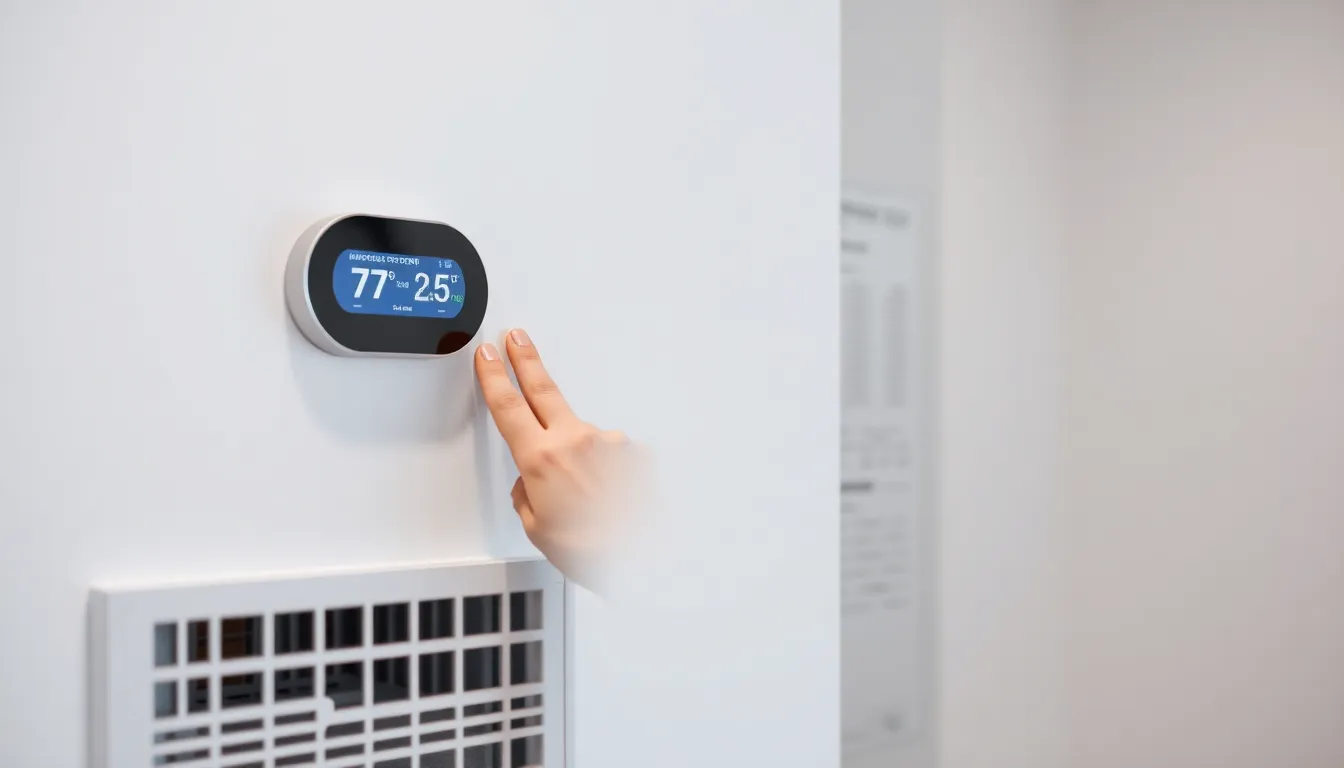
Optimize Your Heating System: Save 10-15% with Smart Habits
Gaining consistent savings on your winter heating bills doesn’t always require a major overhaul. Instead, it often comes down to optimizing how you operate and maintain your existing heating system. Simple daily adjustments to your thermostat settings, combined with regular furnace filter replacements, are among the most effective simple DIY hacks to reduce winter heating bills. These strategies directly impact your energy consumption and significantly improve overall heating efficiency, translating into tangible financial benefits throughout the colder months.
Many homeowners overlook the power of these straightforward adjustments, yet they offer a powerful return on investment for minimal effort. The goal is to ensure your heating system works smarter, not harder, delivering warmth efficiently only when and where it’s truly needed. By taking control of these aspects, you’re not just saving money; you’re also extending the lifespan of your equipment and ensuring a more comfortable living environment.
Mastering Your Thermostat for Maximum Efficiency
Your thermostat is the command center for your home’s heating, and how you use it directly influences your energy bill. One of the most impactful strategies involves strategic temperature setbacks. By setting your thermostat back by 7-10 degrees Fahrenheit (4-6 degrees Celsius) for 8 hours a day, you can save up to 10% on your annual heating bills. This means lowering the temperature during times when you’re asleep or away from home, rather than continuously heating an empty or inactive space.
The effectiveness of this method hinges on consistency and proper scheduling. Unfortunately, a significant hurdle exists: over 60% of programmable thermostats are not utilized correctly. This common oversight prevents households from realizing their full savings potential. Many users simply treat a programmable thermostat like a manual one, adjusting it haphazardly instead of setting up a consistent schedule that aligns with their daily routines.
To maximize these savings, take the time to program your thermostat for different periods. For instance, set it lower overnight and when everyone is out of the house for work or school. Schedule it to warm up about 30 minutes before you typically wake up or return home, ensuring comfort without wasted energy. Smart thermostats can even learn your preferences and adjust automatically, offering even greater convenience and efficiency for these essential temperature setbacks.
Understanding the thermal properties of your home is also key. Your heating system doesn’t have to work as hard to maintain a slightly lower temperature for extended periods. When you allow the temperature to drop gradually, your furnace experiences less strain than if it had to recover from a significantly colder house. This consistent, moderate approach is a cornerstone of effective energy management and a crucial component of simple DIY hacks to reduce winter heating bills.
Optimize Airflow: The Power of Clean Filters and Clear Vents
Beyond your thermostat, optimizing the airflow within your heating system is another critical, yet often overlooked, area for significant savings. The humble furnace filter plays a surprisingly large role in your system’s efficiency and your overall energy consumption. A dirty furnace filter restricts airflow, forcing your heating system to work much harder to push warm air throughout your home. This increased effort translates directly into higher energy bills.
The good news is that replacing a dirty furnace filter is a quick, inexpensive fix with substantial benefits. Studies show that replacing a dirty furnace filter can lower energy consumption by 5% to 15%. Considering furnace filters typically cost between $5 to $20, this small investment yields a rapid and significant return. Think of it as preventative maintenance that pays for itself many times over in energy savings.
The recommended frequency for filter replacement is every 1-3 months. However, homes with pets, smokers, or allergy sufferers may benefit from even more frequent changes. Visually inspecting your filter monthly is a good habit. If it appears gray and clogged with dust and debris, it’s time for a new one. This simple act ensures your furnace can breathe easily, distributing heat efficiently and effectively without unnecessary strain.
Complementing clean filters, ensuring your heating vents are clear and unobstructed is equally vital for optimal airflow. Blocked vents can dramatically reduce your heating system’s efficiency, sometimes by 10% or more. Furniture, curtains, or even household clutter can inadvertently block heat registers, preventing warm air from circulating freely into a room. This creates cold spots and forces your furnace to run longer to reach your desired temperature, wasting energy.
Take a few minutes to walk through each room and check all your heating vents. Ensure they are fully open and that nothing is blocking the flow of warm air. Rearranging furniture slightly or trimming long curtains can make a considerable difference. These combined airflow improvements – a clean filter and clear vents – are fundamental simple DIY hacks to reduce winter heating bills, ensuring your home is heated efficiently and comfortably.
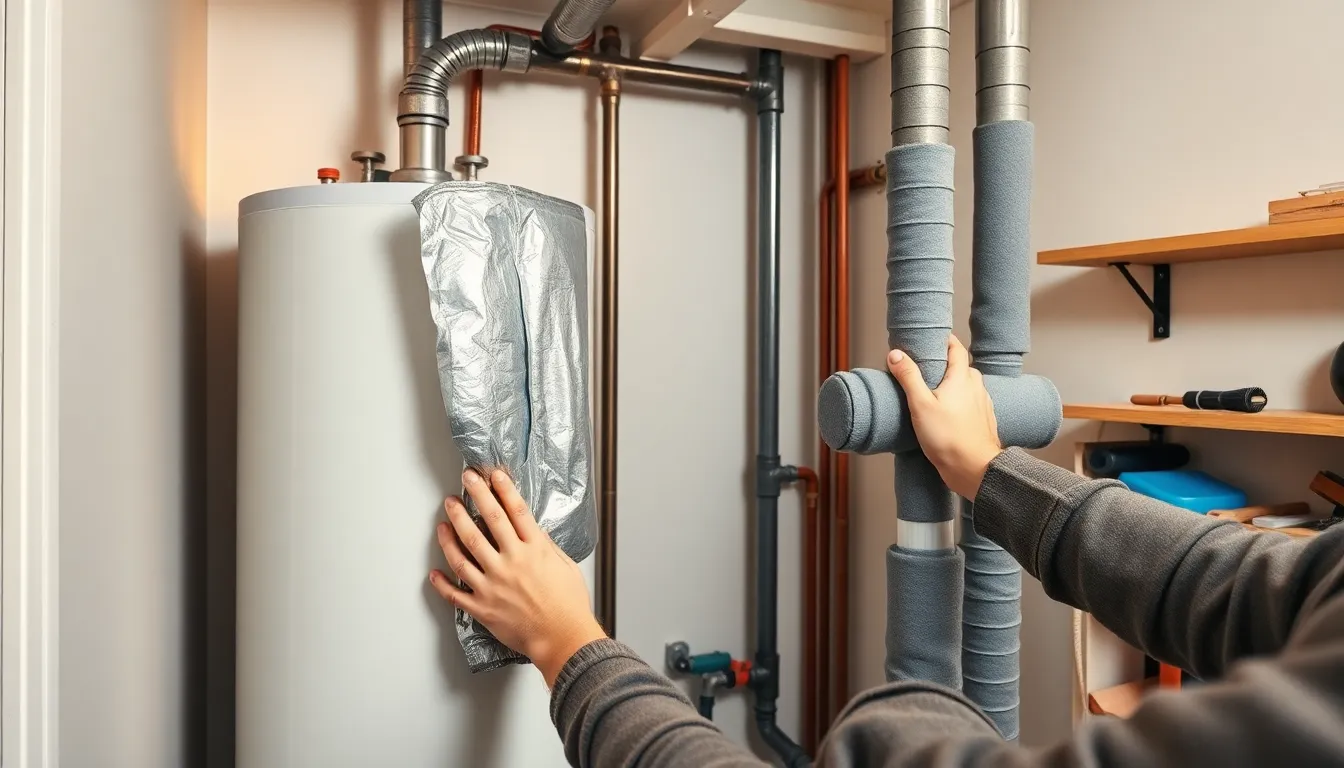
Cut Hot Water Costs by Up to 16% with Simple Insulation
During colder months, a significant portion of your energy bill can be attributed to heating water. Many homeowners overlook the energy wasted in their hot water system, which continuously loses heat even when not in use. Fortunately, insulating your water heater tank and exposed hot water pipes stands out as one of the most effective simple DIY hacks to reduce winter heating bills. This cost-effective project significantly reduces standby heat loss, leading to tangible savings on your annual water heating expenses and contributing to lower overall winter bills.
This straightforward upgrade can yield impressive returns. For instance, insulating an older, uninsulated water heater tank—defined as having an R-value less than R-24—can slash standby heat losses by an impressive 25% to 45%. This translates directly into substantial financial benefits, as it can save you between 7% and 16% on your annual water heating costs. The initial investment is minimal compared to the long-term savings.
Maximize Efficiency with Water Heater Tank Insulation
The concept of insulating your water heater tank is quite simple. A well-insulated tank maintains water temperature more effectively, meaning the heating element cycles on less frequently. This reduction in operational time directly correlates to lower energy consumption. Older tanks are particularly prone to heat loss, making them prime candidates for this upgrade.
Investing in a pre-cut insulation blanket is a low-cost, high-impact solution. These blankets are specifically designed for water heaters and are generally easy to install. A typical pre-cut insulation blanket costs between $20 and $40. This small expense is quickly recouped through the energy savings, often within a year or less. When installing, always ensure the blanket does not obstruct the thermostat, pressure relief valve, or burner access for gas heaters, prioritizing safety.
Before purchasing, check your existing water heater for a label indicating its R-value, which measures thermal resistance. If your tank’s R-value is below R-24, or if the tank feels warm to the touch, it is a strong indicator that additional insulation will be highly beneficial. Even newer, more efficient tanks can sometimes benefit from extra insulation in unheated areas like basements or garages.
Boosting Savings: Insulating Hot Water Pipes
While the tank holds the majority of your hot water, the pipes that carry it throughout your home are also a source of heat loss. Every foot of uninsulated hot water pipe allows precious heat to dissipate into the surrounding air, forcing your water heater to work harder. This consistent heat loss is particularly noticeable over the first few feet of pipe extending from the heater.
Insulating the first 6 feet of both the hot and cold water pipes connected to your water heater can save an additional 3% to 4% annually on your water heating costs. This is a simple task that complements tank insulation perfectly. The cold water pipe is also important to insulate as it runs parallel to the hot water pipe, influencing its temperature, and can contribute to overall system inefficiency.
Foam pipe insulation is readily available and inexpensive, typically costing approximately $1 to $2 per linear foot. It comes in pre-slit tubes that easily slide over your pipes. This affordable material effectively creates a thermal barrier, keeping the heat where it belongs—within your hot water system. Installation usually involves simply cutting the foam to length and securing it with insulation tape or zip ties.
A Smart, Accessible Investment for Lower Bills
Combining both tank and pipe insulation creates a comprehensive approach to reducing hot water energy waste. These are truly money-saving simple DIY hacks to reduce winter heating bills, accessible to nearly every homeowner. The financial benefits are clear, reducing the strain on your budget during the coldest months. Beyond the immediate savings, these measures also contribute to a smaller carbon footprint by decreasing overall energy consumption.
The ease of these projects means you don’t need specialized tools or extensive experience. Most homeowners can complete both the tank and pipe insulation within a single afternoon, experiencing the benefits almost immediately. By preventing standby heat loss, you ensure that the energy used to heat your water is put to work when you need it, rather than escaping into your utility closet or basement.
Taking these proactive steps will not only result in noticeable reductions on your monthly utility statements but also enhance the efficiency and longevity of your water heating system. It’s a smart, low-cost investment that pays dividends year after year, reinforcing the value of mindful energy consumption in your home.
Featured image generated using Flux AI
Source
U.S. Environmental Protection Agency (EPA) & U.S. Department of Energy (DOE), Energy Star. “Seal and Insulate Your Home.”
U.S. Department of Energy (DOE), Energy Saver Guide. “Thermostat Settings.”
U.S. Department of Energy (DOE), Energy Saver Guide. “Window Treatments.”
Oak Ridge National Laboratory. “Field Study of Window Film Performance” (2012).
U.S. Department of Energy (DOE), Energy Saver Guide. “Maintenance.”
U.S. Environmental Protection Agency (EPA), Energy Star. “Thermostats and Filters.”
U.S. Department of Energy (DOE), Energy Saver Guide. “Insulate Your Water Heater Tank.”
U.S. Department of Energy (DOE), Energy Saver Guide. “Insulate Hot Water Pipes.”